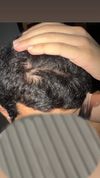
The conversation is about comparing the effectiveness of adenosine and minoxidil for treating hair loss. People are sharing their thoughts and experiences on which is better.
A 17-year-old is looking for alternatives to finasteride for DHT control to preserve hair, considering ketoconazole shampoo for its potential to inhibit 5AR and also thinking about using caffeine-containing shampoos like alpecin or watermans.
A 21-year-old male is experiencing crown balding and is using RU58841, topical minoxidil, and plans to add dutasteride and oral minoxidil to his treatment. He seeks advice on increasing his treatment stack despite previous side effects like chest pain.
A 38-year-old female is experiencing hair loss despite having almost undetectable DHT levels after using dutasteride. Suggestions include checking for PCOS, thyroid issues, adjusting diet, considering the impact of birth control, and trying treatments like tretinoin, redensyl, retinol, and minoxidil with derma stamping.
A 24-year-old male experienced hair loss despite using minoxidil and finasteride, later switching to dutasteride, higher-dose minoxidil, iron supplements, and derma stamping, which initially improved his condition. However, after moving to a stressful environment and undergoing minor surgery, his hair loss rapidly increased, particularly on one side of his temple.
A user experienced severe chest pains and shortness of breath after using RU58841 for hair loss and was advised by a doctor that blocking androgens can weaken the heart. They decided to continue with finasteride, minoxidil, and a hair transplant instead.
Dutasteride significantly improved hair health and reduced shedding for a woman with PCOS and hyperandrogenism, without causing depression or anxiety, unlike finasteride. Dutasteride also helped with PMDD symptoms and had no side effects, though it changed hair texture.
Comparing the effectiveness of minoxidil 5% and adenosine 0.75% for treating male androgenetic alopecia, and measuring patient satisfaction rate; results showed that adenosine is comparable to minoxidil but provides quicker results, however availability of products with adenosine is much less than those with minoxidil.
People on testosterone replacement therapy (TRT) with aggressive androgenetic alopecia (AGA) discuss using Dutasteride or Finasteride, sometimes combined with topical treatments like RU58841 or CB-03-01 (Breezula), to prevent hair loss. Concerns about side effects and costs of certain treatments are mentioned, with one individual sharing their experience of slowed hair loss using Finasteride alone.
A 19-year-old male with hair loss and gynecomastia is considering starting finasteride after trying various treatments like Ketoconazole shampoo and consulting dermatologists. He has chronic telogen effluvium and seborrheic dermatitis, with normal testosterone and thyroid levels but low platelet count.
Spironolactone and finasteride are not recommended for women planning pregnancy due to birth defect risks. Both need to be stopped months before conception, and finasteride is generally not advised for women.
A 24-year-old with hair thinning is using a regimen including dutasteride, RU58841, HGH, GHK-cu, and other compounds to protect and regrow hair. They are also incorporating a mild cutting cycle with testosterone propionate, anavar, and tirzepatide.
A user was prescribed a topical treatment for hair loss including Latanoprost, Minoxidil, Dutasteride, Hydrocortisone, and Progesterone, after using an oral Minoxidil and Finasteride combo without significant results. Concerns were raised about the long-term use of hydrocortisone, with suggestions to consult a doctor regularly.
A user experienced rapid hair loss and was prescribed Desonide cream for mild Alopecia. They are seeking feedback on its effectiveness and potential side effects.
The conversation discusses hair thinning and treatments like finasteride, dutasteride, oral and topical minoxidil, and RU58841. Users share experiences with retrograde alopecia, hair transplants, and stress-related hair loss, while also considering thyroid issues and other potential causes.
The user has been using finasteride and minoxidil, then switched to dutasteride and minoxidil for six months without significant results, noticing thinning after increasing creatine dosage. They plan to consult a dermatologist to explore potential causes beyond androgenetic alopecia.
Oral Minoxidil users discuss whether caffeine affects its effectiveness due to adenosine receptor blockade. Users report no significant impact on hair growth despite caffeine consumption.
Combining dutasteride and an aromatase inhibitor may increase testosterone levels significantly, potentially enhancing athletic performance but also posing health risks like elevated blood pressure and worsened cholesterol. The user is experimenting with dutasteride, anastrozole, minoxidil, and ketoconazole shampoo to manage hair loss and estradiol levels, while monitoring side effects and hormone levels.
PP405 shows promise in hair loss treatment, but stem cell therapy using adipose-derived stem cells and ATP also successfully reversed androgenetic alopecia in mice. Stem cell therapy is costly, and some doubt the effectiveness of PP405 based on press releases.
The conversation discusses using a multimodal approach to treat androgenic alopecia, including substances like gamma-linolenic acid, DHA, sulforaphane, melatonin, cetirizine, astaxanthin, fisetin, apigenin, curcumin, limonene, genistein, and berberine. Users also mention using ketoconazole, minoxidil, and low-level laser therapy (LLLT) as part of their hair loss treatment regimens.
The user tried Minoxidil without success, and Finasteride worked but caused sexual side effects even at a very low dose. They are seeking alternative treatments for hair loss as they cannot tolerate anti-androgens and are also in therapy for mental health.
The user has been using a hair loss treatment protocol including topical dutasteride, minoxidil with tretinoin, ketoconazole shampoo, microneedling, a laser cap, and vitamin D for 15 weeks, showing impressive progress. Feedback suggests continuing medical therapy for 12-24 months before considering a hair transplant.
A 22-year-old male experiencing hair thinning and loss, possibly due to seborrheic dermatitis or low vitamin D, is cautious about using minoxidil or finasteride due to heart palpitations and high blood pressure. Suggestions include using ketoconazole shampoo to control inflammation and focusing on treating the dermatitis first.
The user is experiencing rapid hair loss despite using dutasteride, finasteride, and minoxidil, and is concerned about high estradiol and testosterone levels. They are advised to consult an endocrinologist for potential hormonal imbalances.
A 17-year-old is experiencing diffuse thinning, dandruff, body hair shedding, and other symptoms, possibly linked to seborrheic dermatitis or telogen effluvium. They are using ketoconazole shampoo and considering blood tests to check for thyroid issues or deficiencies.
The user is experiencing progressive hair thinning despite using finasteride and dutasteride. A biopsy confirmed male pattern baldness, and minoxidil was suggested as an additional treatment.
A 15-year-old is experiencing uneven hair loss, with one temple receding significantly. They are considering using finasteride, minoxidil, or dutasteride to slow hair loss before visiting a dermatologist, and may consider a hair transplant in the future.
A product called HairMDL includes Minoxidil, Dutasteride, Latanoprost, caffeine, Tretinoin, and Triamcinolone. Users are curious about its effectiveness and safety, particularly regarding the topical steroid Triamcinolone.
A 21-year-old is concerned about androgenic alopecia and has been using minoxidil for a year, noticing some stabilization in the hairline but fears using it on the whole scalp due to seborrheic dermatitis. Another person suggests considering a psychiatrist for stress management, using Nizoral shampoo, and possibly trying a small dose of finasteride.