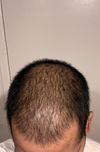
The user observed that stopping nicotine and caffeine improved their scalp health while using oral finasteride. However, relapsing with caffeine and nicotine caused scalp tightness and inflammation.
The conversation discusses the belief that zinc, caffeine, and weightlifting may contribute to hair loss by increasing DHT levels. The original poster plans to reduce zinc and caffeine intake and stop weightlifting to see if it improves their hair condition.
The user experienced significant hair shedding despite long-term use of finasteride and minoxidil, considering switching to dutasteride and increasing minoxidil dosage. Suggestions included trying topical minoxidil and adding a topical antiandrogen, but avoiding RU58841.
A user who has tried multiple treatments for hair loss, including oral and topical finasteride and liposomal finasteride, but experienced severe side effects in each case; the user is considering trying RU58841 or aromatise inhibitors as alternatives.
The user experienced significant hair shedding after pausing their hair care regimen, which included finasteride, micro-needling, Nizoral shampoo, vitamin D, essential oils, melatonin, caffeine, exercise, and protein intake. They are concerned if the shedding is due to the break in their routine or a normal phase of finasteride use.
A 19-year-old experienced significantly low testosterone levels after one month of taking finasteride. Suggestions included checking test units, retesting, and exploring other potential causes.
Stress can trigger hair loss, with treatments like minoxidil, finasteride, and dutasteride being used to manage it. Some users report improvement with medications like Lexapro, while others emphasize the impact of stress and life events on hair health.
The user experienced increased hair loss and scalp itchiness despite using finasteride and plans to resume minoxidil and start microneedling. They are considering using clay, Aveda thickening tonic, and a beanie to manage the appearance of thinning hair.
A 20-year-old with thinning hair has low vitamin D and normal testosterone. They are prescribed oral minoxidil and vitamin D, and are questioning if finasteride is also necessary.
Switching from Arimidex to Raloxifene worsened hair loss despite using Dutasteride. The user added oral Minoxidil, dermastamping, and RU58841 to their regimen to address the issue.
A person experiencing hair loss is using finasteride and considering minoxidil but is worried about side effects like heart palpitations. They seek advice on continuing minoxidil, trying alternatives like microneedling, or considering a hair transplant.
The post argues that Post-Finasteride Syndrome (PFS) is likely not real and suggests symptoms may be due to mental health issues or the nocebo effect. The conversation includes personal experiences with finasteride, highlighting both positive and negative effects, and emphasizes consulting doctors and using reliable sources for medication.
The user experienced positive hair growth with finasteride but developed gut issues, dry skin, thinning eyebrows, fatigue, low libido, and erection difficulties after stopping it. They are seeking advice on whether to resume finasteride or stay off it to recover.
User experienced hair loss after weight loss and started using finasteride 1mg and a multivitamin called HAIRGRO. They noticed increased oily skin and sebum production and are unsure if they should continue the multivitamin.
The post discusses a holistic, bioenergetic approach to hair loss, focusing on diet, exercise, and lifestyle changes rather than traditional treatments like finasteride or minoxidil. Key dietary recommendations include fruits, milk, potatoes, butter, coconut oil, eggs, oysters, liver, and gelatin, along with moderate exercise and lifestyle adjustments to reduce stress.
The user is experiencing low libido and mood swings after starting a low dose of topical finasteride. They are considering further blood tests to investigate low testosterone levels and other hormonal factors.
The user experienced side effects from ecklonia cava similar to those reported with finasteride, including depression, brain fog, anxiety, and testicular pain. Despite these issues, the user is still considering using topical finasteride in the future.
The user experienced severe side effects from finasteride, including panic attacks and suicidal thoughts, and is seeking alternative hair loss treatments. They have been using oral finasteride and topical minoxidil.
RU58841's side effects may be exaggerated due to anxiety, with some users experiencing no issues and others reporting symptoms like chest pain. RU58841, minoxidil, and finasteride are used for hair loss treatment, with varying individual reactions.
A 24-year-old is struggling with severe depression and anxiety due to hair loss, despite using dutasteride and oral minoxidil for two years. They are advised to consider shaving their head, exploring wigs or hair systems, and focusing on other aspects of life like health, relationships, and career.
A 30-year-old male experienced rapid hair shedding over 6-7 months due to stress, depression, and nicotine/alcohol use, but has since stopped these habits. He seeks advice on remedies, medications, or diet changes to address hair loss.
A user initially had side effects from finasteride, attributed them to anxiety and the nocebo effect, and after resuming the drug, experienced positive effects and now warns against misinformation about Post Finasteride Syndrome.
A user is experiencing facial bloating from low-dose topical finasteride due to high estradiol levels and is seeking advice on using DIM to manage this issue, including dosage and brand recommendations.
The user switched from topical to oral minoxidil (5mg daily) a year ago, saw no improvement, and experienced chest pain and trouble sleeping after stopping. They are considering whether to resume and taper the dosage due to stress and anxiety.
A user reports high DHT levels despite taking finasteride and is concerned about inconsistent blood test results. They also take modafinil, vitamin D, and magnesium supplements.
The conversation is about the debate over the existence of Post-Finasteride Syndrome (PFS) and its symptoms, with some users skeptical about PFS and others discussing side effects like erectile dysfunction and gynecomastia from hair loss treatments like finasteride. Specific treatments mentioned include finasteride, viagra, and a joke about using a popsicle stick for erectile support.
A 23-year-old male is considering starting Finasteride for hair loss after experiencing persistent shedding and hairline recession, with bloodwork showing normal testosterone levels but low DHEA-S and Vitamin D. He plans to discuss DHEA supplementation with his doctor and has already started Vitamin D supplementation.
The user shared their personal experience with hair loss, hormone imbalances, and treatments including testosterone boosters, natural estrogen blockers, and DHEA. They suggest that low-dose finasteride and natural hormone therapy could reduce hair loss with fewer side effects.
A 26-year-old male is unhappy with his current hair loss routine, which includes microneedling, ketoconazole shampoo, and a topical formula with Minoxidil, Finasteride, and other ingredients. He struggles with consistency due to ADHD and is considering switching to oral medication for simplicity, but is concerned about side effects and effectiveness.