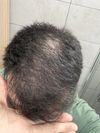
Autologous exosome treatment for hair loss is being discussed as an emerging option. Minoxidil, finasteride, and RU58841 are also mentioned as treatments.
A new hair cloning breakthrough suggests a potential cure for hair loss, though skepticism remains about its availability and cost. Users discuss the possibility of unlimited hair grafts for transplants and express hope for future developments.
Exosomes are not effective for long-term hair regrowth, with users reporting temporary improvements or no noticeable change. Effective treatments include Dutasteride, Finasteride, Minoxidil, and RU58841, with other options like CB-03-01 and Fluridil offering limited benefits.
The conversation discusses the benefits of combining scalp stemcell treatments and exohealer with RF microneedling before a hair transplant. The original poster recommends these treatments for better results.
The conversation discusses potential future hair loss treatments, including SCUBE3, hair follicle cloning, and GT20029, with mentions of past disappointments like CosmeRNA and hopes for treatments like Verteporfin for infinite donor hair.
A user shared their hair loss journey, starting treatments with topical minoxidil and finasteride at 17, and later adding oral versions and dutasteride by age 20, but still experiencing hair loss. Others suggested that the treatments have likely slowed the progression, and some recommended considering a hair transplant or adjusting medication, while expressing concerns about the potential side effects of starting such treatments at a young age.
An 18-year-old is considering testosterone replacement therapy with finasteride or dutasteride for hair loss but worries about side effects. Users recommend alternatives like minoxidil, RU58841, and consulting a doctor.
Oral minoxidil can cause rare facial bloating, especially at higher doses and in women. Reducing sodium intake, drinking more water, and adjusting the dose can help manage side effects.
The user lost gym motivation after taking finasteride for four months, possibly due to its effect on DHT levels. Suggestions include adjusting dosage, trying topical treatments, using caffeine, checking testosterone levels, and considering supplements like SSRIs or pregnenolone.
People discuss hair loss treatments like minoxidil, finasteride, and dutasteride, sharing experiences and side effects. Opinions vary on combining treatments, with some skeptical and others reporting success.
Finasteride prescriptions in France now require an annual certificate acknowledging psychiatric and sexual risks, as the European Medicines Agency recognizes these risks. The conversation discusses the potential mental health effects of Finasteride, with some users reporting side effects and others questioning the statistical significance of these findings.
Doctors in the UK are hesitant to prescribe finasteride for hair loss, leading many to seek it from online pharmacies. Users discuss side effects and alternative treatments like minoxidil, with some opting for online purchases due to ease and availability.
A 31-year-old man feels depressed due to hair loss, using topical finasteride and previously tried minoxidil. Others suggest treatments like finasteride, minoxidil, hair transplants, or embracing baldness, highlighting the importance of mental health and self-acceptance.
Hair systems require frequent maintenance and can be costly, but a DIY approach with bi-weekly changes can help manage these issues. Minoxidil and finasteride were tried but not consistently used due to side effects and personal preferences.
A 52-year-old is switching from finasteride to dutasteride to address crown balding, despite concerns about potential side effects. They have used finasteride for nearly 30 years, had a minor hair transplant, and are considering further treatments if dutasteride doesn't improve their condition.
Finasteride and Dutasteride do not cause depression or mood disorders; hair loss itself may be a more significant factor. Some users experience side effects from Finasteride, but it is generally well-tolerated.
Low estrogen levels may reduce the risk of side effects from finasteride, such as gynecomastia. Some users plan to start with microneedling and minoxidil before trying finasteride, while others have experienced temporary side effects from topical finasteride but continued use without persistent issues.
A 31-year-old man chose minoxidil over finasteride due to concerns about erectile dysfunction. He intends to seek another doctor's opinion on finasteride.
People shared their experiences with coffee consumption and hair loss, with mixed results. Some noticed more hair loss with increased caffeine, while others saw no effect or even hair regrowth, often using treatments like finasteride and minoxidil.
A 35-year-old is seeking advice on hair loss treatments, considering minoxidil, finasteride, and possibly a hair transplant in Turkey. They have previously tried microneedling for a year.
Dutasteride is effective for hair loss but may cause side effects like decreased sperm count, which might not fully recover after stopping. Users discuss balancing dosages to minimize side effects while maintaining benefits.
PP405 is discussed as a potential hair loss treatment, but its effectiveness and safety are uncertain. Some users express skepticism, while others are hopeful, comparing it to existing treatments like Minoxidil and Finasteride.
Stopping finasteride and minoxidil can cause significant hair shedding, so they should be continued indefinitely. Concerns about finasteride affecting fertility or causing birth defects are mostly unfounded, but some stop for personal reasons.
A user shared their 9-year experience with finasteride and 3 years with oral minoxidil, noting positive hair maintenance and regrowth without significant side effects. They are considering a hair transplant but are generally satisfied with their current hair condition.
The user has been using finasteride for over a year and topical minoxidil since March, noticing small hairs but no significant regrowth. Suggestions include continuing the current treatment, considering microneedling, and possibly trying oral minoxidil for better results.
A user experienced significant hair regrowth using finasteride 1 mg daily for two years and gradually introduced dutasteride 0.5 mg daily over four months. They reported no side effects and plan to switch fully to dutasteride due to its cost-effectiveness and potential effectiveness.
The user regrets stopping finasteride and minoxidil due to side effects but plans to resume treatment. They consider using finasteride every other day and continuing topical minoxidil to manage side effects while maintaining hair.
Beard gains from minoxidil are usually permanent due to facial hair follicles' lower sensitivity to DHT. Scalp hair requires ongoing DHT suppression with treatments like finasteride, dutasteride, and RU58841 to maintain gains after stopping minoxidil.
PP405 is a new hair loss treatment facing mixed reactions due to initial hype and insufficient data. Some are hopeful, but many doubt its effectiveness compared to minoxidil and finasteride.