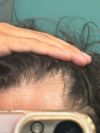
A user wonders if she should tell her boyfriend about his hair loss. Responses suggest telling him gently and discussing treatments like Minoxidil and finasteride.
Finasteride can impact neurosteroids, potentially causing depression and other side effects in some users. Despite these concerns, many continue using it for hair loss, with some switching to topical applications to mitigate side effects.
The conversation discusses personal experiences with hair loss treatments, specifically Minoxidil and Finasteride, with some users regretting not starting treatment earlier and others experiencing side effects. Some users are considering or have switched to topical formulations due to side effects from oral medications.
A 23-year-old started taking 0.25 mg of Finasteride daily for hair loss after trying Minoxidil and derma rolling without success. People shared varied experiences with Finasteride, discussing potential side effects, effectiveness, and personal decisions regarding hair loss treatment.
The conversation highlights the general public's lack of knowledge about hair loss, with various ineffective remedies suggested, such as not wearing hats or using hair fibers. The only effective treatments mentioned for male pattern baldness are medications like minoxidil and finasteride, and hair transplants.
The "Big 3 Stack" for hair loss treatment, which includes Minoxidil for hair density improvement, Ketoconazole shampoo for enhancing hair volume and thickness, and Finasteride for blocking hair loss causing hormones. Microneedling can boost Minoxidil's effects.
Oral minoxidil can cause serious heart issues like cardiac hypertrophy and arrhythmias, prompting some users to reduce dosage or switch to topical treatments. Despite significant hair regrowth, side effects such as shortness of breath and chest pains are common concerns.
Dutasteride might be better for hairline due to varying levels of 5AR activity in scalps. Genetic tests can determine if finasteride is enough or if dutasteride is needed.
Finding acceptance of hair loss through psychedelics, and the potential benefits of shrooms. Discussions include sharing experiences with minoxidil, finasteride, nutrafol, laser therapy, micro needling, as well as mental health concerns such as depression, suicidal thoughts, and self-esteem.
The user tried Minoxidil without success, and Finasteride worked but caused sexual side effects even at a very low dose. They are seeking alternative treatments for hair loss as they cannot tolerate anti-androgens and are also in therapy for mental health.
A user experimenting with an extreme hair loss treatment stack of Dutasteride, RU58841, 15 mg oral minoxidil, and microneedling, which sparked a debate among other users about the safety of this approach.
The potential health risks associated with long-term use of finasteride and dutasteride, with some responses pointing out the low quality of the journal that published the review article as well as highlighting other alternatives such as keto or minoxidil, and RU58841.
Whether using both Fluridil and Alfatradiol together could be more effective than either one alone as a hair loss treatment, given their different mechanisms of action.
Finasteride may pose a risk during pregnancy, so using a condom is recommended if a partner is pregnant. It is advised to stop finasteride before trying to conceive due to potential effects on fetal development.
Finasteride is seen as risky for men due to side effects like erectile dysfunction, while hormonal birth control for women is normalized despite its side effects. The discussion points out a double standard influenced by societal and gender norms.
Dutasteride is more effective than finasteride, has neuroprotective benefits, and may prevent acne. Despite initial concerns about metabolic effects, further research suggests it is safe for most users, especially if not hypogonadal.
Dutasteride is associated with increased blood glucose, HbA1c, LDL cholesterol, and liver enzyme activity, potentially leading to diabetes, NAFLD, and liver metabolism changes. The conversation highlights concerns about these adverse effects and calls for more studies, including on finasteride.
Oral minoxidil is considered a safe and effective treatment for hair loss at low dosages, with minimal cardiac risks. Users report positive results, though some experience side effects like increased heart rate and skin changes, and consulting a doctor is advised.
PP405 shows promise in stimulating new terminal hair growth by activating dormant follicles, with no systemic adverse effects observed in a short-term trial. However, long-term efficacy remains unproven, and further trials are needed to confirm its potential as a hair loss treatment.
A user is experiencing uneven hair thinning and has tried topical minoxidil without success and finasteride with adverse effects. They are considering microneedling and PRP treatments while avoiding finasteride, and another user suggests trying dutasteride as an alternative.
GT20029 showed significant hair growth and safety in phase II trials, with no adverse sexual events. Users are hopeful but concerned about future costs and systemic effects.
PP405 might take 3-4 years to be available, but some claim Everychem offers a similar product, though its effectiveness is debated. Users discuss the risks of using untested grey market products and the potential for adverse effects.
RU58841 lacks FDA approval due to financial and safety concerns, including potential cardiological side effects. The company abandoned further research, and users report adverse effects like heart palpitations and gynecomastia.
The conversation discusses switching from oral to topical finasteride due to side effects like nipple soreness. The user seeks advice on diluting and applying topical finasteride to minimize adverse effects.
Dutasteride is more effective than finasteride for hair loss, especially at the crown and midscalp, but both have similar side-effect profiles with low incidence of sexual adverse events. Improvement is measured visually, and significant results may take over 12 months to appear.
A 30-year-old man experienced significant hair regrowth and improved libido after using finasteride and dutasteride for androgenetic alopecia, with no adverse effects. He plans to reduce dutasteride dosage when trying to conceive and has been using topical minoxidil since 2015.
High-dose oral minoxidil (>5 mg/day) can increase hair density in some men with androgenetic alopecia, but side effects like extra body hair and heart issues are common. Gradual dose increase is advised, but adverse effects may lead to discontinuation or dose adjustments.
Natural DHT blockers caused negative side effects like weak erections and depression, while finasteride improved overall well-being and cleared acne. Users shared similar experiences, finding finasteride effective without the adverse effects of natural treatments.
A 34-year-old male experienced significant hair regrowth and increased density after 20 months of using 1.25 mg of finasteride daily, with no noticeable side effects. He did not use minoxidil due to adverse effects and plans to consider adding dutasteride weekly for further improvement.
The user experienced sexual side effects from finasteride and switched to using only topical minoxidil without side effects. They are seeking alternatives to finasteride, such as topical finasteride, to maintain hair without adverse effects.