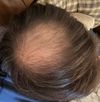
The user started taking oral 0.5 mg dutasteride and 2.5 mg minoxidil daily since July 9. After about three months, they report positive progress in hair regrowth, with others agreeing it looks good.
The user is experiencing intense hair shedding all over the scalp after applying pyrilutamide to the hairline and taking oral castor oil. They are also using topical finasteride and latanoprost, but are unsure which treatment is causing the shedding.
Shedding may indicate potential regrowth when using KX-826, similar to Minoxidil and finasteride. Users report improved hair quality and minor side effects like slight headaches.
The user is considering microneedling versus a hair transplant (HT) for crown hair loss while currently using dutasteride and oral minoxidil. They are hesitant about microneedling due to potential scarring but are open to trying it before deciding on a hair transplant.
A 23-year-old has been using finasteride, dutasteride, and spironolactone to combat hair loss and hormonal acne, with mixed results and concerns about side effects. The user is experimenting with spironolactone despite its potential risks, hoping for skin and body hair improvements.
The conversation discusses androgen receptor degraders for hair loss, highlighting their potential advantages over traditional AR blockers like RU58841 and pyrilutamide. Concerns about the safety and cost of these treatments are also mentioned.
A 17-year-old is using oral dutasteride, finasteride, and topical minoxidil for hair loss, with plans to increase dutasteride and consider surgery. They report significant regrowth but are worried about side effects and the effects of blocking DHT at a young age.
A 25-year-old male is experiencing advanced hair loss and is using topical and oral minoxidil, topical finasteride, and vitamin D3, but has not seen significant regrowth. He is considering switching treatments, including oral dutasteride, topical spironolactone, and possibly a scalp biopsy to better understand his condition.
The user is concerned about high DHT levels despite using finasteride and dutasteride for hair loss, suggesting these treatments may not be effective. They plan to consult an endocrinologist and consider other antiandrogens, acknowledging potential side effects.
A user on finasteride for hair loss is considering topical dutasteride to further reduce scalp DHT and is using various other topicals as substitutes for minoxidil due to concerns about the safety of their cats and potential heart side effects from oral minoxidil. They are exploring whether a once-weekly application of topical dutasteride would be effective.
The user switched from oral finasteride to oral dutasteride and increased minoxidil dosage, seeing significant hair improvement over a year. They plan to wait until age 35 for a hair transplant, aiming for optimal results.
The user stopped oral treatments due to side effects and switched to a regimen of topical minoxidil, tretinoin, azelaic acid, and dermaneedling, with recent addition of topical finasteride. They are questioning the long-term effectiveness of non-hormonal methods and considering hair transplantation.
The user has been using finasteride and minoxidil for 7 months, seeing thicker hair but no temple regrowth, and is considering switching to dutasteride. Another person suggested trying microneedling on the temples before changing medications.
A user's 11-month hair loss treatment progress using 0.5mg dutasteride every other day, 50mg RU58841 in the morning, 5mg oral minoxidil, topical minoxidil at night, and microneedling with a 1.5mm needle every other week. The user's improvement was significant, going from a severe hair loss stage (NW7) to a mild/moderate stage (NW2-3).
The user is considering starting minoxidil and finasteride for hair loss at Norwood 2 or 2.5. Another user suggests consulting a dermatologist and possibly using finasteride to prevent progression and minoxidil for regrowth, with dutasteride as an alternative.
The conversation discusses a patent for using topical resveratrol and melatonin to treat androgenetic alopecia (AGA) and also mentions interest in topical sulforaphane as a treatment.
The user tried pyrilutamide for hair loss and noticed reduced scalp itch and improved skin but stopped due to mild heart sensations. They plan to update after consistent use, noting improved sleep when applied at night.
Alfatradiol is used by some for hair loss, often alongside treatments like finasteride, RU58841, and minoxidil, but its effectiveness is unclear. Some users report no significant improvement, while others note reduced sebum production but experience side effects like gallbladder pain.
The user is experiencing increased hair shedding after using oral minoxidil and is considering topical dutasteride but is concerned about potential worsening. They are also exploring other topical treatments like latanoprost, caffeine, and melatonin, and seeking advice on application methods without pulling out existing hair.
A 23-year-old plans to use Minoxidil for 4 months, then add Finasteride to assess their effectiveness for hair loss. They will track progress with photos and consider switching treatments if results are unsatisfactory.
A user's progress using oral minoxidil and dutasteride to treat hair loss, which has yielded positive results. Other users have wished him luck in his journey.
User experienced side effects from oral finasteride and tried topical Alfatradiol for hair loss. Alfatradiol provided maintenance without significant regrowth, and user suggests it as an alternative for those struggling with finasteride side effects.
The user reports positive results from using 0.5 mg dutasteride daily for four months and 2.5 mg oral minoxidil for three months, with no side effects. They switched from topical minoxidil to this oral combination.
Finasteride can cause gynecomastia due to hormonal imbalances, and using an aromatase inhibitor like anastrozole can help manage these side effects. It's important to work with an endocrinologist to address these issues safely.
The user updated their hair loss treatment to include daily dutasteride, oral minoxidil, topical dutasteride with minoxidil and tretinoin, and RU58841. Commenters feel the extensive treatment is unnecessary for the user's level of hair loss.
A 29-year-old male with androgenic alopecia was treated with oral Dutasteride, oral Minoxidil, and injectable Dutasteride, showing progress in 9 months. Some users believe Dutasteride mesotherapy is unnecessary and question its effectiveness compared to topical applications.