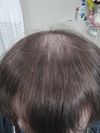
A person used hair fibers for 11 years to hide hair loss, which affected their social life. They had a hair transplant, improving their life, and recommend addressing hair loss directly.
The conversation is about using finasteride and testosterone replacement therapy (TRT) for hair loss and their role in gender-affirming care. It debates whether these treatments are considered hormone replacement therapy (HRT) and their implications for both cisgender and transgender individuals.
Topical dutasteride may have limited absorption due to its higher molecular mass compared to finasteride, potentially affecting its efficacy in suppressing DHT locally. Microneedling might enhance dutasteride absorption, possibly offering stronger local DHT suppression with fewer systemic effects.
Concerns about a potential finasteride ban in the EU, possibly affecting the US, are discussed. Users doubt a ban, citing its widespread use and suggest alternatives like minoxidil and dutasteride.
Oral minoxidil may require potassium for effectiveness, and diuretics taken for water retention might affect this process. The user plans to start taking potassium to address potential issues with minoxidil's effectiveness.
Finasteride users discussing creatine's impact on hair loss. Most believe creatine doesn't significantly affect hair, with some reporting no issues and others experiencing thinning.
Pelage PP405 is a new hair loss treatment in trials, potentially reactivating dormant hair follicles without affecting hormones. Results are expected in February 2025, offering an alternative to minoxidil and finasteride.
Genetic factors, enzyme activity, and DHT sensitivity affect individual responses to hair loss treatments like finasteride, minoxidil, and dutasteride. Starting treatments early can slow hair loss, but results vary among individuals.
The user is considering using Tretinoin every other day alongside daily Minoxidil to manage hair loss and is concerned about inconsistent absorption affecting regrowth. They have noticed a significant reduction in shedding but are unsure if it's due to Tretinoin or the end of the Minoxidil/finasteride shedding phase.
A user shared their positive experience with the telehealth service DocBright, highlighting its affordability and effectiveness in prescribing finasteride, oral minoxidil, and ketoconazole. They noted the service's unique ability to provide a prescription at age 17 but criticized the unprofessional communication with the dermatologist.
Supplements like saw palmetto or pumpkin seed oil may target the remaining 10% of DHT not affected by Dutasteride. Users discuss whether these supplements are beneficial when already using Dutasteride.
The conversation is about whether topical finasteride and minoxidil need to be applied directly to the affected areas of the scalp or if they can be spread through blood vessels. It also asks how long topical finasteride remains on a pillow.
A user is using Fluridil for hair loss and is concerned that styling clay and powder might affect the absorption of the treatment. They apply clay in the morning and Fluridil in the evening and are considering switching to a styling powder.
Using licorice to counteract the blood pressure-lowering effects of oral minoxidil. Concerns about licorice affecting potassium levels and minoxidil's effectiveness were raised.
User Kylo313 used dutasteride for 20 years and had two daughters, questioning if dutasteride affects the likelihood of having male vs female children. Replies mostly request hairline photos and discuss anecdotal experiences, with some suggesting correlation doesn't imply causation and that gender determination isn't affected by dutasteride.
Adding creatine while using finasteride and minoxidil caused skin irritation and hair thinning. Creatine may affect DHT levels, leading to these issues.
Ashwagandha may increase testosterone, which can convert to DHT and potentially affect hair loss, but using dutasteride should mitigate this concern. Users suggest that occasional Ashwagandha use is unlikely to impact hair loss significantly when on dutasteride.
Minoxidil effective for regrowth but causes dryness; finasteride stops hair loss but may affect hormones; dutasteride powerful but reduces libido; RU58841 thickens hair but expensive and risky; dermarolling improves blood flow and results; aminexil overrated and not effective. Dermarolling beneficial with both minoxidil and finasteride.
A person feels intense shame and self-hatred due to baldness and poor self-image, affecting their confidence and social interactions. Suggestions include therapy, exercise, braces, hair transplants, and using finasteride.
Topilutamide is a potential hair loss treatment between Clascoterone and RU58841. Users discuss finding Topilutamide powder and its possible benefits for those who can't afford or tolerate other treatments.
Glycine supplementation may increase 5-alpha reductase activity, potentially affecting hair loss. Users discuss its impact on hair fall and its role in the body.
Hair cloning may become available in 1-2 years in Japan, but widespread availability and affordability could take 7-15 years. Current treatments like finasteride are effective but may lose effectiveness over time.
A 35-year-old man has used finasteride for 12 years and oral minoxidil at 5 mg for 2 years, achieving significant hair regrowth and density without side effects, avoiding a hair transplant. He recommends consistency with medication and highlights the effectiveness and affordability of oral minoxidil.
Taking dutasteride with a meal containing fat may improve absorption, but consistency in routine is more important than timing. Minor variations in absorption won't significantly affect efficacy due to dutasteride's long half-life.
A 24-year-old male is experiencing hair thinning and feels hopeless, considering treatments like finasteride and minoxidil but is concerned they might not work. He is also contemplating a dermatologist visit and is unable to afford a hair transplant.
Peptides like GHK-Cu, BPC-157, and TB-500 have significantly reduced hair loss, with GHK-Cu being particularly effective. The discussion also covers the high cost of these peptides and explores more affordable purchasing options.
OP is using scalp massages, dermastamping, and rosemary oil for hair improvement, with mixed opinions on effectiveness. Some suggest lighting affects perceived results, while others recommend treatments like finasteride, dutasteride, and RU58841 for better outcomes.
The user is pleased with their hair transplant results after six months and seeks feedback. The conversation is positive, with others affirming the success of the procedure.
A user is considering ordering topical finasteride from India due to unavailability in their country and previous side effects from oral finasteride. Users recommend Indian brands like Morr-F and Minscalp F, noting their affordability and effectiveness, while advising to ensure purchases are from reputable sources.