Search
for
Sort by
Community Join
510-540 / 1000+ resultscommunity Came back from the dead - One year result
community Starting Fin soon. Wish me luck
A 19-year-old with NW2-2.5 hair loss is starting finasteride soon, considering low dosages of 0.25mg daily or 0.5mg 3-5 times a week. They are also using derma stamping, ketoconazole shampoo, ACV washes, and various oils to maintain hair quality and reduce scalp itch.
community I've been on fin 3 months now
community Finasteride and minoxidil results
community Breaking hair loss news! GT20029 is a resounding success!
GT20029, a new hair loss treatment, shows promising results but only a slight improvement over placebo. People are cautiously optimistic, discussing its potential and combining it with existing treatments like Minoxidil and Finasteride.
community The told me 0.25 mg of fin wouldnt do anything and i think it did (5 months) (still have windows pesk, but more density)
community microinflammation caused by mometasone furoate?
The user experienced microinflammation on the crown after using mometasone furoate (Nasonex) nasal spray. They are seeking information on the relationship between this corticosteroid and hair loss.
community Diffuse thinning is a curse. You don't realize it's happening until way too late.
Diffuse hair thinning and treatments like finasteride and minoxidil. Early detection and treatment are crucial for effective management.
community Near full recovery then lost it all.
community Cool hair transplant visualization
The conversation discusses hair transplants, including the use of techniques like FUE and the importance of a good donor area to avoid visible bald patches. It also touches on alternative treatments like Minoxidil, Finasteride, and Pyrolutimide, and debates the idea of embracing baldness versus seeking treatments.
community 23M 4 years treatment results (dut)
community There’s nothing better on the horizon [RANT]
community Modifiability of the aging process
community Mixing some castor oil into minoxidil
community Poundland Shampoo- just so you know!
community 7 months post second op & my 2 cents
community 50M Norwood 6. 12 month topical finasteride/minoxidil results
community Finasteride induced acne!? ANY suggestions pls! Zinc?
community One Year Final Update 24M (Fin + Min)
community Any users using either RU or Pyrilutamide from Actifolic? How’s your experience?
Treatments for hair loss, specifically discussing the use of RU58841 and Pyrilutamide from Actifolic. The poster is inquiring about experiences with these products and results.
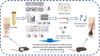
community Fucoidan Treatment Reverses Hair Loss and Inhibits Inflammatory Responses in a Mouse Model of Androgenetic Alopecia
Fucoidan may help regrow hair and reduce inflammation in androgenetic alopecia. It is unclear if simply mixing fucoidan powder into a serum for application is effective.
community Aevin hair creme, overwhelmingly positive feedback on website
A user is considering trying Aevin hair creme, which contains ingredients like jojoba oil and saw palmetto, despite skepticism about its effectiveness compared to treatments like finasteride, minoxidil, or hair transplants. They are wary of the product's legitimacy due to the lack of reviews outside the brand's website.
community Throwing Fluridil (Eucapil) into the mix.
A user named "tresslessinseattle" receiving a mysterious package of Eucapil hair loss treatment, which they are considering in combination with Minoxidil and Finasteride treatments to boost the regrowth they have been seeing.
community GT20029 Will Replace Finasteride For Hair Loss
GT20029 shows promise as a topical treatment for hair loss, potentially replacing finasteride for some due to its low systemic exposure and ability to degrade androgen receptors. However, skepticism remains about its long-term efficacy and availability, with some users expressing doubt about new treatments consistently failing to reach the market.
community Anyone in India that order Kintors KX-826?
community Prolactin the Cause of Hair Loss? ABS-201 the Cure?
community Someone please offer reassurance
community How to choose between topical antiandrogen (Pyrilutamide) vs topical Alfatradiol (17α-estradiol) as an add-on treatment?
The user is considering adding Pyrilutamide or Alfatradiol as a topical treatment for hair loss after oral Finasteride and Dutasteride became less effective. Other users suggest Pyrilutamide for its safety profile, while one user shares positive experiences with RU58841 for reducing scalp itch and improving hairline.