Amplifica is testing a compound called AMP-303 for hair loss, but it's not Scube3 or osteopontin. The timing for the results from the clinical trial is unknown.
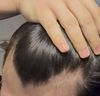
The user has been using 1mg finasteride, 2% ketoconazole shampoo, vitamins, and growth shampoo for 7.5 months to treat hair loss and is considering switching to 0.5 mg dutasteride due to slight recession and persistent symptoms. Another user commented that the user's temples appear to have improved, especially in the latest photo.
The user tried Minoxidil without success, and Finasteride worked but caused sexual side effects even at a very low dose. They are seeking alternative treatments for hair loss as they cannot tolerate anti-androgens and are also in therapy for mental health.
A user experienced severe depression and anxiety after taking finasteride for hair loss, which resolved after stopping the medication. They shared their story to warn others about potential side effects.
Finasteride is not effectively stopping hair loss for the user, who is considering alternatives like Dutasteride, Minoxidil, and microneedling, but is hesitant about surgery or hair systems. The user expresses frustration with the lack of effective treatments for male pattern baldness.
DUPA is considered more treatable than FAPD, as FAPD involves scarring that prevents hair regrowth. The user has started treatment with oral dutasteride and minoxidil, hoping for better results than previous treatments.
The user has been using 1 mg oral finasteride for 16 months to slow hair loss and is considering switching to dutasteride due to continued hair shedding. They are avoiding oral minoxidil due to potential side effects and are exploring other options with a dermatologist.
A user experienced hair loss and side effects from oral finasteride, leading them to consider switching to topical finasteride to reduce side effects while maintaining hair. Another user suggested trying dutasteride under medical supervision, noting individual differences in side effects.
The conversation discusses the effectiveness and skepticism around topical dutasteride for hair loss, with mentions of combining it with other treatments like minoxidil and oral medications. Some users doubt its efficacy due to lack of independent studies and potential conflicts of interest.
The user is seeking a topical spray combining finasteride, minoxidil, and RU58841 or dutasteride due to side effects from oral treatments. They believe an all-in-one topical solution would be easier for long-term use.
The user is seeking a knowledgeable trichologist or dermatologist in Belgium for a thorough scalp examination due to diffuse thinning and a previous diagnosis of male pattern baldness. They are interested in procedures like a trichogram and scalp biopsy.
The user has been using finasteride, minoxidil, and a derma stamp for 3 months with significant improvement. They are now adding ketoconazole to their routine.
Switching from finasteride to dutasteride is discussed, with some users suggesting gradual replacement to potentially improve hair regrowth. OP plans to try replacing one daily use of finasteride with dutasteride to see if it leads to better results.
A user stopped hair loss after taking finasteride daily for four years, with minimal regrowth and no side effects. They believe stress initially caused their hair loss.
A user is considering tapering off finasteride due to concerns about long-term side effects and cost, and is exploring alternatives like zinc and saw palmetto. Their current regimen includes finasteride, Adderall, zinc, bupropion, fish oil, baby aspirin, Rogaine foam, and ketoconazole shampoo.
A user shared their successful hair regrowth journey using finasteride, oral minoxidil, and oral dutasteride, expressing gratitude for the support received. The conversation includes congratulations and encouragement from others.
A 21-year-old experiencing diffuse thinning is considering switching from finasteride to dutasteride after using topical and oral minoxidil and finasteride. They have seen some regrowth but are concerned about overall density loss, especially at the crown.
A 25-year-old switched from finasteride to dutasteride, experiencing significant hair regrowth and improved hair quality after 6 months, taking it three times a week. The user stopped finasteride entirely, citing dutasteride's longer half-life as more effective.
Switching from dutasteride to finasteride and back led to significant hair shedding, despite continued use of oral minoxidil. The user is hopeful for hair regrowth after resuming dutasteride.
The user received trichotest results indicating finasteride is ineffective for them, and they plan to use dutasteride mesotherapy and add cetirizine to minoxidil. They seek advice on incorporating dutasteride into their regimen.
Hair loss discussion includes alfatradiol (Pantostin/Ell Cranell) as a potential treatment. Users share opinions on its effectiveness in their regimen.
A user reports high DHT levels despite taking finasteride and is concerned about inconsistent blood test results. They also take modafinil, vitamin D, and magnesium supplements.
A user has been using dutasteride, RU58841, minoxidil, and ketoconazole for 2 years with no progress and worsening hair recession. They seek advice on how to proceed.
The user experienced temple recession, shedding, and acne while on 0.5mg dutasteride, 1.25mg finasteride every other day, and 5mg oral minoxidil daily. They are considering switching treatments due to worsening symptoms and are contemplating using a topical anti-androgen like RU58841.
A 21-year-old male experienced initial success with finasteride for 16 months but is now losing hair again. He is considering switching to dutasteride and adding oral minoxidil, while also investigating environmental and health factors.
Finasteride and dutasteride are not considered safe during pregnancy, with some users suggesting caution and others sharing personal experiences of no issues. The general consensus is to avoid these medications during pregnancy to prevent any potential risks.
A 42-year-old man used finasteride for three years, switched to dutasteride, and added oral minoxidil, resulting in stabilized hair loss and some regrowth, especially with dutasteride. He experienced no side effects and plans to consider a hair transplant in the future.
Dutasteride in semen is considered a very small risk for partners, and fertility typically improves after stopping the medication. It is recommended to stop Dutasteride 3-6 months before trying to conceive to avoid potential impacts on fertility and fetal development.