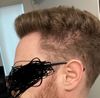
A 30-year-old is experiencing hair thinning and is considering using finasteride to stop hair loss and possibly thicken existing thin hairs. They are unsure of their Norwood scale stage and seek advice on whether finasteride is suitable for their situation.
The dermatologist prescribed topical finasteride and minoxidil, but only finasteride is available in pill form. The user plans a telehealth visit to discuss options.
The conversation discusses hair loss treatments for a woman experiencing androgenetic alopecia and seborrheic dermatitis, with suggestions including low-dose oral minoxidil, dutasteride, and hormone replacement therapy. The user is seeking advice due to intolerance to spironolactone and topical minoxidil, and concerns about low testosterone and DHT levels.
A 14-year-old experiencing hair loss is seeking advice after using minoxidil and derma stamping without noticeable results. They are advised to continue using minoxidil, as it may take time to show effects.
Switching from spironolactone to bicalutamide caused severe hair shedding, despite using treatments like dutasteride, minoxidil, and estradiol injections. The user is experiencing androgenetic alopecia and is seeking solutions to stop the hair loss.
Copper peptides are discussed as a potential treatment for hair loss, with various products and serums suggested, including those from Peptonix and The Ordinary. Some users express skepticism about the effectiveness and concentration of copper peptides in these products.
A 34-year-old male is experiencing hair loss on the sides of his head, with inflammation and itchiness, while the top remains thick. He is using topical dutasteride and keto shampoo to address the issue.
The user experienced noticeable hair regrowth using topical minoxidil and a dermaroller within a month. They are advised to consider DHT inhibition for lasting results.
A non-binary individual experienced hair loss after stopping hormone replacement therapy and is using oral Dutasteride, oral Minoxidil, and ketoconazole shampoo. They are hopeful for regrowth but may use wigs due to the high cost and uncertain effectiveness of additional treatments like mesotherapy and PRP.
Revivhair serum is discussed as a potential treatment for mild hair thinning, but skepticism exists about its effectiveness without proven treatments like finasteride, dutasteride, or minoxidil. Users share experiences with various treatments, noting side effects and exploring alternatives like topical dutasteride and alfatradiol.
The conversation discusses "Hair bloom" hair filler, which contains biotin, collagen, and various peptides, as a potential alternative to PRP or mesotherapy for hair loss. Opinions vary, with some suggesting it may be a cash grab or ineffective, while others believe it could complement topical minoxidil for early hair loss.
Long-term use of oral minoxidil and finasteride can effectively maintain hair and prevent hair loss. Some users also discuss using dutasteride and note potential side effects like testicle pain.
A 39-year-old male is experiencing hair regrowth after three months using 1mg oral finasteride daily, 5% topical minoxidil twice daily, dermastamping twice a month, and 2% ketoconazole shampoo weekly. He shares progress photos and receives encouragement and advice from others, noting some improvement and considering additional treatments but is limited by budget.
The user experienced worsening hair density despite using finasteride, minoxidil, dutasteride, and RU58841, with some temporary improvement after stopping RU58841. Currently, they are on 2.5mg dutasteride daily and topical minoxidil, but continue to struggle with hair density issues.
Dutasteride may cause chronic infertility by reducing semen volume and motility, with concerns about irreversible prostate fibrosis. Users consider switching to finasteride or using treatments like minoxidil and microneedling, weighing hair preservation against fertility.
Minoxidil helps hair growth by increasing blood flow and prolonging the growth phase, but it doesn't address the root cause of hair loss, such as DHT sensitivity. Finasteride can help maintain some gains by blocking DHT, but stopping Minoxidil often leads to hair loss because the new hairs are dependent on it.
The conversation discusses hair loss treatments, specifically the use of anti-androgens like RU58841 and Pyrilutamide, which are expensive in India. Alternatives like spironolactone and concerns about the effectiveness of finasteride and dutasteride are also mentioned.
The conversation is about a user experiencing hair thinning potentially due to excessive microneedling while using finasteride and minoxidil. Many suggest reducing microneedling frequency and considering alternative treatments like dutasteride or a hair transplant.
The conversation discusses hair loss treatments, specifically the use of dutasteride, finasteride, and other methods like PRP, laser, and mesotherapy. Despite these treatments, the user is experiencing hair loss, and others suggest consulting a dermatologist, considering alternative treatments, and addressing potential scalp inflammation.
Exosomes, cetirizine, melatonin, latanoprost, and caffeine are discussed as potential hair loss treatments. There is skepticism about the effectiveness of exosomes, especially in topical form, but some users report positive results.
The conversation discusses hair loss treatments, focusing on finasteride, minoxidil, and other options like PRP and ketoconazole. It highlights the importance of asking specific questions during a dermatology visit to determine the cause of hair loss and appropriate treatments.
Excessive scalp sebum, worsened by DHT, can lead to inflammation and hair loss, with clascoterone mentioned as a treatment. Diet changes seem ineffective for scalp sebum, and treatments like minoxidil and finasteride are suggested.
Oral minoxidil is causing body hair growth but not improving scalp hair, despite using dutasteride and finasteride. Users suggest waiting longer for results, checking vitamin levels, and considering additional treatments like topical minoxidil, dermarolling, and supplements.
A user tried the Rapid Minoxidil Response Test (TrichoGene) and found they don't respond to topical Minoxidil, so they added tretinoin. The test is available internationally, and another user is considering ordering it.
A 57-year-old man with male pattern hair loss and insulin resistance experienced hair regrowth and weight loss after using tirzepatide, without other hair treatments. Dysregulated glucose metabolism is linked to hair loss, with tirzepatide potentially improving hair density by normalizing insulin resistance.
Spironolactone can remain effective for a long time in treating androgenetic alopecia, but it may not completely stop hair loss. Hair loss treatments like spironolactone, finasteride, and dutasteride slow down hair loss rather than cure it, and their effectiveness can vary based on individual response and the aggressiveness of the condition.
The user is experiencing sudden hair loss and is considering micro-needling, low-level light therapy, iron supplements, folihair, and Omega 3. They are hesitant to start finasteride, suspecting the hair loss might be due to telogen effluvium from a past COVID-19 infection.
The user reported significant hair growth progress after six months using daily Dutasteride 0.5mg and oral Minoxidil 5mg. Many users expressed amazement and inquired about side effects, age, and product brands.