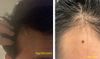
A 20-year-old female is experiencing hairline loss and seeks effective natural remedies or affordable drugstore treatments. She has tried flax seeds and aloe vera without success.
Early hairloss causes emotional distress, and common coping strategies like fitness and fashion are inadequate. Treatments like finasteride, minoxidil, dutasteride, hair systems, and scalp micropigmentation were tried but were unsatisfactory.
The conversation discusses hairloss treatments, specifically the use of dutasteride, finasteride, and other methods like PRP, laser, and mesotherapy. Despite these treatments, the user is experiencing hairloss, and others suggest consulting a dermatologist, considering alternative treatments, and addressing potential scalp inflammation.
A 25-year-old is experiencing hairloss since 2022, possibly linked to post-COVID effects, and is hesitant to use minoxidil or finasteride due to side effects. They have tried shampoos, vitamins, and scalp massages with limited success and are seeking natural solutions.
A 15-year-old is experiencing hairloss and is considering treatment options. They are aware they cannot use DHT blockers like finasteride due to their age and are exploring other causes like Telogen Effluvium.
A teenage girl who has been diagnosed with ADA and is struggling with hairloss, which has caused her to lose confidence. She is looking for recommendations on treatments such as finasteride or Minoxidil, and lifestyle advice including vitamins and other supplements that might help with the issue.
A 22-year-old male experiencing hairloss suspects androgenetic alopecia (AGA) and possibly telogen effluvium (TE), with a noted improvement in scalp itch after adopting a gluten-free diet. He is advised to consider treatments like finasteride or minoxidil and to check iron and ferritin levels.
User losing hair for 3 years tried shampoos, minoxidil, derma rolling, finasteride, and Adegen's 15% minoxidil protocol without success. Another user suggests lowering finasteride dosage and trying topical non-steroidal anti-androgens like Fluridil, RU58841, and Breezula.
A 22-year-old is experiencing hairloss, particularly fuzzy hair in the front, and is concerned about male pattern baldness. Treatments mentioned include Propecia (finasteride), minoxidil, PRP treatments, dermarolling, peppermint oil, and apple cider vinegar.
A 33-year-old attempted hair regrowth after 10 years of baldness using topical finasteride, minoxidil, micro-needling, a laser cap, and later oral dutasteride. They noticed some regrowth, especially vellus hairs, and are considering a hair transplant or other treatments despite side effects.
A 19-year-old shares his hairloss experience and treatment routine, which includes 1mg finasteride daily, 2mg oral minoxidil daily, ketoconazole shampoo every 2 days, and a healthy lifestyle. He notes that oral minoxidil is showing better results than topical minoxidil.
A 44-year-old is experiencing rapid hair thinning after weight loss, despite using finasteride for two years. They have added minoxidil, vitamins, ketoconazole shampoo, derma stamping, and are considering PRP treatment while slowly introducing dutasteride.
A 32-year-old male noticed accelerated hairloss after turning 30 and has been using minoxidil and finasteride with breaks, but stopped finasteride due to concerns about side effects. He is considering alternatives like topical treatments, ketoconazole shampoo, and possibly a future hair transplant.
The conversation discusses a hairloss treatment regimen involving finasteride, dutasteride, spironolactone, bicalutamide, oral estradiol, microneedling, and minoxidil. The regimen aims to reduce androgenic alopecia by blocking DHT and androgens, with a caution about potential feminizing effects.
A 19-year-old experiencing hairloss since 17 uses finasteride, minoxidil, dermaroller, ketoconazole shampoo, and oral castor oil, but sees little improvement. They seek advice on adding an anti-androgen, considering alfatradiol.
A 27-year-old man is fighting hairloss using oral finasteride, oral and topical minoxidil, nizoral shampoo, microneedling, argan oil with rosemary extract, and plans to add RU58841 and The Ordinary hair peptide serum. He seeks advice on combining these treatments and will document his progress.
Hairloss treatments include finasteride, minoxidil, alfatradiol, vitamins, red light therapy, ketoconazole shampoo, meditation, green tea, leg workouts, and silk pillows. Genetics is emphasized as the primary factor in hair health, with some humor about unconventional methods like drug use affecting hairloss.
A 21-year-old is experiencing hairloss despite using finasteride, minoxidil, derma rolling, vitamins, and keto shampoo. They are contemplating a hair transplant but worry about their age and future hairloss.
A 20-year-old experiencing hairloss was diagnosed with androgenetic alopecia and prescribed finasteride, minoxidil, and multivitamin/zinc pills. They are considering starting finasteride and minoxidil daily to maintain their hair and stop further loss.
Hairloss can be distressing, but treatments like finasteride, minoxidil, and scalp micropigmentation can help manage it. Embrace self-improvement, focus on personal goals, and maintain a positive attitude despite hairloss challenges.
An 18-year-old is experiencing worsening hairloss, feeling isolated, and considering treatments like Minoxidil and finasteride. Others suggest seeing a dermatologist to determine the cause and potential treatments.
Hairloss significantly impacts self-perception and attractiveness, with treatments like finasteride, minoxidil, and hair transplants suggested. The conversation highlights the emotional struggle and societal perceptions tied to hairloss.
The conversation discusses hairloss and the potential impact of diet and lifestyle changes, particularly increased protein intake, on hair health. The original poster shared their experience of improved hair appearance after weight loss and dietary changes, despite skepticism from others about lighting differences in photos and the effectiveness of diet alone without finasteride or minoxidil.
Many people become hyper-aware of hairloss in themselves and others, often leading to feelings of jealousy or self-consciousness. Treatments like finasteride, minoxidil, and dutasteride are commonly discussed as solutions to combat hairloss.
A 20-year-old is experiencing aggressive hairloss and is using oral finasteride, topical minoxidil, tretinoin, rosemary oil, and dermarolling in an attempt to manage it. They are concerned about their appearance and future hairloss, seeking advice on additional treatments.
A 17-year-old experiencing aggressive hairloss since December 2023 is using finasteride, vitamin D, and a biotin supplement but cannot use minoxidil due to dandruff. They have also undergone two PRP treatments and are seeking further advice.
The conclusion of the conversation is that the user should consider using treatments such as finasteride, minoxidil, and RU58841 to potentially reverse their hairloss. Other suggestions include using hairloss concealers and maintaining a healthy diet.
A 23-year-old experiencing hairloss tried olive oil, coconut oil, and hair growth shampoos without success. They are seeking advice on whether to start treatments like Minoxidil, finasteride, or RU58841.
Hairloss discussion includes delay in others noticing balding, using hair fibers for peace of mind, and taking before and after photos. Finasteride and Minoxidil are mentioned as treatments.