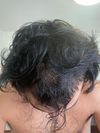
Men with early male pattern baldness (MPB) may have hormonal abnormalities similar to those in women with PCOS. Specific treatments mentioned include Minoxidil, Finasteride, and RU58841.
A 30-year-old woman with a history of anemia and low vitamin D experienced hair shedding, which improved after addressing nutrient deficiencies. Despite regrowth of terminal hairs, her dermatologist recommended treatments like minoxidil and spironolactone to prevent future bald spots, but she is cautious due to family history of hormone-related cancers.
The user's experience with hair loss in their twenties and thirties, how to fix a receding hairline, treatments such as DHT, stress, bad sleep, Minoxidil, finasteride, and RU58841, and diet.
The conversation humorously speculates on whether an elderly man's good hairline is due to finasteride, dutasteride, or genetics. It also discusses the role of DHT and genetics in hair loss.
The user began experiencing hair loss a few years ago at age 22 and is a diffuse thinner with a Norwood scale rating of 2. They have a naturally athletic build and gain muscle easily, with a hairy chest and stomach.
The conversation is about analyzing receded temple closeups for signs of fibrosis, scarring, or androgenetic alopecia (AGA). Specific treatments like Minoxidil, finasteride, or RU58841 are not mentioned in the conversation.
A young person is experiencing aggressive hair loss and not responding well to minoxidil and finasteride. Suggestions include trying dutasteride, hair systems, lifestyle changes, or considering a wig.
Oral minoxidil treatment increased hair density and shaft caliber in AGA patients. Side effects included hypertrichosis and lower extremity edema, with younger patients experiencing fewer side effects.
An 18-year-old is experiencing worsening hair loss, feeling isolated, and considering treatments like Minoxidil and finasteride. Others suggest seeing a dermatologist to determine the cause and potential treatments.
Taurine shows potential in combating hair loss caused by chemical stress, especially when combined with other treatments like finasteride. Finasteride demonstrated better stress-reducing effects in the study.
Hair loss treatments like finasteride and minoxidil are becoming more mainstream, with younger men starting early to prevent baldness. Increased sharing of transformations online and proactive approaches by Gen Z are contributing to noticeable changes.
DHT sensitivity at the scalp increases with age, contributing to androgenic alopecia. Treatments like Minoxidil, finasteride, and RU58841 are discussed for managing hair loss.
A 21-year-old is experiencing hair loss and is unable to use finasteride due to side effects, expressing frustration and depression. Others suggest topical DHT blockers like alfatradiol, spironolactone, and pyrilutamide, and mention using minoxidil and lifestyle changes.
A user in their mid-30s experienced unexpected hairline regrowth after starting a new supplement stack, despite being on a regimen of finasteride, minoxidil, and Nizoral for over four years. The new supplements include Tongkat Ali, Fadogia Agrestis, Panax Red Ginseng, Vitamin B1, Vitamin D3, Zinc Picolinate, Magnesium Glycinate, Maca, and L-Citrulline.
A 22-year-old male experiencing hair thinning has been using topical finasteride and minoxidil since September 2024, with improvement except in the frontal/middle scalp area. He seeks advice on additional treatments and has started scalp massages.
The user experienced a receding hairline and tried minoxidil, which may have slowed the process but caused puffy eyes. They are hesitant to use finasteride and suspect oily dandruff might be an aggravator.
DHT may inhibit hair growth by affecting mitochondrial function, leading to hair follicle miniaturization. Treatments like minoxidil and PP405 may promote hair growth by altering metabolic pathways, potentially counteracting DHT's effects.
A 20-year-old male experienced bald spots and used minoxidil, which led to hair regrowth but also premature graying. He seeks advice on reversing graying through diet or supplements like catalase, while another user suggests vitamin D3 and sesame for hair color.
A peptide from Japanese water chestnut fruit may help with hair loss by suppressing DHT's effect on hair follicle cell death, potentially serving as a finasteride alternative. The treatment's effectiveness and safety in humans remain uncertain.
A user shared their hair loss journey, starting with Finasteride and Minoxidil in 2019, switching to Dutasteride in 2024, and adding topical Minoxidil and Tretinoin. They experienced slight temple thinning, which improved with Dutasteride, and reported no significant side effects except for thicker eyebrows and hair color change.
Stopping finasteride may reduce water retention or alter fat distribution, leading to a leaner face. Hormonal changes, like reduced DHT or increased estrogen, could cause these effects.
The conversation is about the struggles of dealing with diffuse thinning at a young age and the lack of significant improvement after using treatments like finasteride and minoxidil. Some suggest additional methods like derma rolling, microneedling, and hair fibers, while others share their own experiences and encourage persistence with treatment.
An 18-year-old noticed significant hairline recession and is concerned about further hair loss. They plan to improve their lifestyle and are advised to use finasteride and minoxidil and consult a dermatologist.
An 18/19-year-old male started balding at 16 and initially saw hair growth with minoxidil, but results diminished over time. He switched dermatologists and is now using a regimen of topical finasteride, minoxidil, vitamin D, and supplements, hoping for better results.
A female, aged 17-18, is experiencing significant hair loss, feeling hopeless despite trying various treatments like leave-in conditioners, omega-3s, supplements, sulfate-free shampoo, and biotin. She is distressed as her hair continues to thin, affecting her body image and self-esteem.
An 18-year-old noticed hairline retreat at 17.5 and is seeking advice on whether to accept baldness or try treatments like Minoxidil, finasteride, or RU58841. They are concerned about safety and effectiveness at their age.
A 31-year-old man feels depressed due to hair loss, using topical finasteride and previously tried minoxidil. Others suggest treatments like finasteride, minoxidil, hair transplants, or embracing baldness, highlighting the importance of mental health and self-acceptance.
A 20-year-old is experiencing rapid hairline decline and is considering seeing a dermatologist or using minoxidil. They have been using coconut and rosemary oil but are concerned due to family history of baldness.
A young person regrets not starting hair loss treatments like minoxidil and finasteride earlier, leading to significant balding by age 19. They discuss the importance of early intervention and the impact of societal perceptions on those experiencing hair loss.