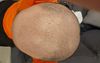
The conversation is about seeking non-medication hair loss treatments that don't affect fertility. Suggestions include microneedling and ketoconazole shampoo.
A user shared their hair regrowth journey using topical minoxidil (5%) twice daily, along with microneedling, castor oil, and jojoba oil treatments. They experienced initial hair shedding but saw some regrowth, although their hair remains thin and uneven, and they are cautious about using finasteride due to past depression.
Switching to Amazon for finasteride prescriptions can save money, with a 90-day supply costing around $17 for Prime members. Oral minoxidil requires monitoring, so a local doctor is needed for that prescription.
There is no imminent cure for hair loss, but treatments like Minoxidil, Finasteride, and new drugs such as KX-826, GT-20029, and PP405 are being explored. Current solutions focus on slowing hair loss and stimulating growth, with hopes for better options in the future.
The conversation discusses concerns about using a high concentration of 1% topical finasteride for hairline balding, with some users suggesting starting with a lower dose. It also mentions the use of GHK-CU peptide and the importance of considering the formulation to avoid excessive absorption.
The user is seeking opinions on whether their hairline changes indicate regrowth or hair loss, using treatments like Rogaine, finasteride, microneedling, and Nizoral. They mention inconsistent finasteride use, scalp massages, and lifestyle factors like caffeine, nicotine, stress, and high sugar intake.
Switching from Arimidex to Raloxifene worsened hair loss despite using Dutasteride. The user added oral Minoxidil, dermastamping, and RU58841 to their regimen to address the issue.
Yunce Medical, a Chinese company, is developing hair multiplication technology similar to Stemson Therapeutics, with potential for quicker availability due to favorable regulations. Users express skepticism and hope for future advancements in hair loss treatments.
Tressless GPT is now free and accessible for hair loss advice. Treatments discussed include Minoxidil, finasteride, RU58841, dutasteride mesotherapy, topical melatonin, microneedling, and rapamycin.
The conversation introduces a specialized chatbot for ChatGPT Plus users that provides advice on hair loss treatments, drawing from research and community insights. It mentions treatments like RU58841, the "big 4" (likely minoxidil, finasteride, ketoconazole, and tretinoin), dutasteride mesotherapy, topical melatonin, microneedling, and rapamycin.
A user likes a natural hair styling product that makes their hair look thicker and is seeking opinions on whether it could harm hair follicles. They also question if cold water is sufficient to wash the product out and mention they are experiencing hair thinning.
The user experienced significant hair regrowth and increased density after six months of using oral minoxidil and finasteride chewables, despite going through a secondary shedding phase. The only side effect mentioned was restlessness, and the user feels healthier overall.
Using whipped cream as a humorous alternative to minoxidil foam for hair loss. Users joke about unconventional methods like using tart and miracle grow.
PUFA foods like salmon and walnuts are healthy and do not accelerate hair loss. There is no evidence linking PUFAs to hair loss, and claims suggesting otherwise lack scientific support.
A new topical treatment, PP405, shows promising results for hair regrowth, potentially outperforming existing treatments like finasteride and minoxidil. However, it may still need to be combined with DHT blockers for optimal results, and its long-term effectiveness remains uncertain.
The trichologist avoids recommending Minoxidil, focusing instead on changing medications monthly for seborrheic dermatitis, resulting in only slight improvement in hair quality and loss. The user is considering starting Minoxidil independently due to slow progress and personal distress.
A 37-year-old man is seeking advice for hair loss treatment, considering options like finasteride and topical or oral minoxidil. A user suggests consulting a doctor and monitoring blood pressure if using oral minoxidil.
The user experienced new hair growth after using HIMS topical spray containing finasteride and minoxidil for almost two months, along with weekly dermarolling. Other users confirmed the growth and advised continuing the treatment.
The conversation discusses hair loss treatments, including topical and oral minoxidil, finasteride, RU58841, and microneedling. Users suggest adding oral dutasteride or finasteride for more effective results.
Minoxidil can be harmful to pets, especially cats. Users report mixed results with hair loss stabilization but no regrowth, and suggest buying Minoxidil, finasteride, and RU58841 separately to save money.
The user shares their 10-month progress on a hair treatment regimen including Dutasteride, RU58841, Minoxidil, biotin, Nizoral shampoo, and a derma pen. They report maintaining hair density after previous steroid use.
The conversation discusses the effectiveness of Bodywise roll-on for hair growth, questioning if it works when combined with a DHT blocker and minoxidil. Opinions vary, with some skepticism about certain ingredients like rosemary oil, while others suggest sticking to finasteride, dutasteride, and minoxidil.
A manager told an employee to stop using minoxidil, fearing it could unintentionally cause hair growth in others. The conversation is filled with humorous and sarcastic responses, questioning the manager's logic and suggesting the employee continue using the treatment secretly.
A 16-year-old is experiencing hair loss and is using minoxidil, finasteride, and plans to add RU58841, while considering other treatments like MK-677 and microneedling. Concerns are raised about the potential impact of these treatments on puberty and development.
The user has been using finasteride and dutasteride for hair loss but is experiencing low energy and motivation, possibly due to high prolactin levels. Despite treatment, hairline recession continues, and the user is considering the impact of low DHT levels on overall health and energy.
The user is experiencing positive hair regrowth after two months of using oral finasteride (0.5 mg) and minoxidil (2.5 mg) and is considering a hair transplant. They are seeking advice on surgeons closer to the U.S. and discussing potential side effects and alternative treatments.
Vitamin D may counteract DHT and help with hair growth, as seen in mice and human hair cultures. Some users discuss using Vitamin D, magnesium, and other supplements for hair health, while others humorously note the success in mice.
Microneedling with 0.6 mm needles combined with 5% minoxidil is more effective for hair count and thickness than minoxidil alone or with 1.2 mm needles. Biweekly microneedling at 0.6 mm depth is recommended for better results in treating androgenetic alopecia.
The conversation is about how dealing with hair loss has made other insecurities seem less significant. Some users shared experiences of self-acceptance and improvements in other areas, like vision correction, but still facing the challenge of hair loss.
The post discusses hair growth progress and treatments used, including finasteride, minoxidil, and various hair care products like Australian organic argan oil mask and products from dslaboratories. The user is considering switching to a finasteride and minoxidil pill combination and testing a gray hair serum.