Search
for
Sort by
Community Join
930-960 / 1000+ resultscommunity Naturally high T (1,100+) causing diffuse thinning while on Dut
A 26-year-old male with high testosterone is experiencing diffuse hair thinning despite using a comprehensive treatment regimen including dutasteride, oral minoxidil, RU58841, ketoconazole shampoo, microneedling, and low-level laser therapy. Suggestions include adjusting dutasteride dosage, monitoring iron levels, and consulting a dermatologist for further evaluation.
community 5 months of 1mg Fin, daily GHK-CU injection, daily keratin/biotin/MSM supplement, daily Pura D’Or Advanced Therapy Shampoo and Conditioner, daily Ayurvedic oil, Ket x3/week, weekly microneedling with topical GHK-CU
A user shared their 5-month hair loss treatment progress, using 1mg finasteride, daily GHK-CU injections, keratin/biotin/MSM supplements, Pura D’Or shampoo and conditioner, Ayurvedic oil, ketoconazole thrice weekly, and weekly microneedling with topical GHK-CU. The post includes progress pictures.
community pyrilutamide GB update please? Anything no matter how big or small
The effects of Finasteride on hair loss and its side-effects, such as aching balls. The user has been taking it for two years with no changes to the symptom.
community Rare case: AGA recovery with vitamin D alone (case study)
Vitamin D deficiency can hinder hair recovery, and addressing it may help with hair loss. Hair loss may result from various issues like excess DHT, vitamin deficiency, or scalp inflammation.
community Kintor KX -826 Pyrilutamide Adds 1 Year Phase 3 Trial For Safety
KX-826/pyrilutamide is undergoing an additional one-year safety and efficacy trial in China after a six-month study. Some participants speculate on the reasons for the extended trial and discuss the potential of other treatments.
community Anyone having success with pyrilutamide?
community M30/India : Tried GHK-Cu for Hairline. Sharing results
A user experienced side effects from finasteride and switched to using GHK-Cu for hairline improvement, noticing some positive changes after three months. They used a 2mg daily dose via subcutaneous injections and reported increased hair density and baby hairs, though results were not dramatic.
community Recommended AHK-Cu peptide brand?
AHK-Cu peptide is considered better than GHK-Cu for hair growth. The user is seeking recommendations for trusted AHK-Cu peptide brands with third-party testing.
community 4ish month progress. 0.5mg oral Dut, 2.5mg oral min, occasional micro needling.
The user switched from finasteride to 0.5mg oral dutasteride and added 2.5mg oral minoxidil, along with occasional microneedling, to improve hair regrowth. They reported no side effects and are hopeful for continued progress, especially in the temple area.
community How to test a shady AliExpress RU58441 in Europe
A user bought questionable RU58841 powder from AliExpress and seeks a way to test its composition in Europe. Another user suggests using Janoshik for testing.
community Here's a recommended bloodwork panel before starting Fin.
The conversation provides a detailed list of blood tests recommended before starting finasteride to establish a baseline for monitoring potential side effects. A shorter list is also provided for those with limited funds, and the user shares personal experience of using finasteride without issues for about nine years.
community 40 days - 0.5 dut/5mg biotin/5% trop minox/2x week dermaroll
The user is using a hair recovery treatment with 0.5 mg dutasteride, 5 mg biotin, 5% topical minoxidil, and dermarolling twice a week. They are considering using a 1.5 mm dermaroller and red light therapy.
community Why there are no updates from Amplifica about SCUBE3 & AMP-303?
Amplifica has not provided updates on SCUBE3 and AMP-303, raising concerns about their trial outcomes. Users also mention other treatments like Minoxidil, finasteride, RU58841, PP405, and ET-03.
community Dut and oral minox and topical+ Tretinoin + off antipsychotic + treated my guts issues
The conversation is about someone using Dutasteride, oral Minoxidil, and Tretinoin for hair loss, and they also stopped antipsychotics and treated an H. pylori infection. They feel there has been progress in their hair growth over two months.
community DS Labs SOD suppliments, anyone try them?
The conversation is about trying DS Labs SOD supplements for hair loss, which contain ingredients like Genistein, B-sitosterol, and Biotin. The user is considering adding these supplements to their existing hair care routine.
community 6k grafts DHI Method (2 month mark) am I on track for a good result?
The user is 2 months post-hair transplant with 6,000 grafts using the DHI method and is using oral finasteride, minoxidil, and vitamins. They are seeking feedback on their progress.
community 8 months - 0.5mg dut, 80mg Ru58841, 5mg oral min, topical min at night, microneedle 1.5mm every other week
The conclusion of the conversation is that the user has experienced significant hair regrowth using a combination of medications, including dutasteride, RU58841, and minoxidil. They have not experienced any noticeable side effects and are considering a hair transplant in the future.
community Physio-metabolic method of treating androgenic alopecia. Cold receptors. The relationship between DHT, cold receptors, minoxidil and antiandrogens.
A method for treating androgenic alopecia using minoxidil, antiandrogens, exercise, and cold exposure to promote hair growth. Environmental factors and lifestyle changes, like diet and exercise, can improve treatment effectiveness.
community Ghk-Cu results for hair loss pics what’s ur thoughts?
The conversation discusses using GHK-Cu for hair loss, with one user suggesting subcutaneous administration for better control. The effectiveness of topical application is questioned due to a lack of reliable reviews.
community Ghk-cu + c60 + saw palmetto oil
The conversation discusses using GHK-Cu, C60, and saw palmetto oil as treatments for hair loss. Specific treatments mentioned include Minoxidil (Min), Finasteride (Fin), and RU58841 (RU).
community What exact things should I be looking for when I get blood work done? (25m)
A user experiencing hair loss since age 18 is considering switching from finasteride and minoxidil to dutasteride after poor results and lifestyle choices. They plan to improve their lifestyle and get blood work done to assess treatment effectiveness.
community PP405 2a study was a safety study. Some rational explaining.
The conversation discusses the safety study of PP405, emphasizing that early trials focus on safety rather than efficacy, and that any efficacy data from such a short study should be viewed skeptically. It also highlights that the information released is primarily for securing funding, and that meaningful efficacy results are expected in later phases.
community Physio-metabolic method (antiandrogen, minoxidil, leg training and cold)
The method combines finasteride, minoxidil, intense leg exercises, and cold exposure to treat androgenetic alopecia. It aims to boost metabolism and reduce androgenic effects, enhancing hair growth.
community DUT + Min + Keto + Microneedle + Tret
community pictures before I started pyrilutamide (repost)
Automatic-Law-3612's progress with hair loss treatments, including topical finasteride, topical dutasteride, minoxidil and pyrilutamide. They have been using these products for two weeks and noticed baby hairs in their temples getting longer.
community Can HMI-115 reverse miniaturization?
HMI-115, a potential treatment for hair loss that can reverse miniaturization and make individual hairs thicker, as evidenced by data from macaques given the treatment and one subject in the phase I trial.
community 2022 Offical guide for "I'm losing my hair, what can I do?" Both for beginners starting out and for those who are on treatment yet are still struggling / not getting the results they want
Beginner's Guide
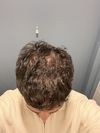
community I need advice on my status quo, further actions and diagnostic
The user is experiencing hair loss, possibly due to androgenic alopecia or telogen effluvium, and is considering treatments like Minoxidil, Finasteride, or RU58841. They also mention potential iron deficiency and sleep deprivation as contributing factors.
community Serum DHT test Germany (Dutasteride mesotherapy)
The user is starting dutasteride mesotherapy and seeks information on checking serum DHT levels in Germany. They previously tried finasteride but experienced unpleasant side effects.