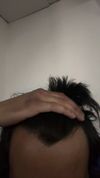
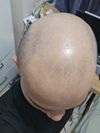
Cetirizine 1% cream significantly improves hair growth and thickness in men with androgenic alopecia. It is considered effective, affordable, and has a low side effect profile.
A 28-year-old male shares his hair loss journey, starting with a hair transplant in February 2024 and using finasteride, later switching to dutasteride in January 2025. He has not used minoxidil and is satisfied with the results, despite some side effects like temporary nipple pain and a spike in libido.
Low-Level Laser Therapy (LLLT) is seen as a safe and effective method for maintaining hair and promoting regrowth in androgenetic alopecia (AGA) and male pattern baldness (MPB), with devices like the HairMax LaserComb® and iRestore helmet being popular. Some users and professionals are skeptical about its long-term effectiveness and cost.
A new hair loss treatment theory beyond minoxidil and finasteride is proposed, causing mixed reactions in the community, with some members eager to explore and support it, while others call for more research and evidence.
RU58841 is being discussed as a hair loss treatment without using finasteride or dutasteride. Users are sharing their experiences and success with RU58841 alone.
Whey protein and BCAAs may increase testosterone levels, potentially accelerating hair loss, but opinions vary on their impact. Some users suggest monitoring diet and hair health, while others believe the effect is minimal compared to DHT's role in balding.
A user's transformation from an accountant to a spartan with a full beard, discussing the potential of DUPA and alopecia areata, as well as treatments like vitamins, topicals, and natural treatments for potential regrowth.
Aminexil is similar to Minoxidil but less effective and not widely used, with some users reporting minor regrowth. It is not FDA-approved and has been removed from some products, though some people still use it, often in combination with Minoxidil.
PP405 and ABS-201 are promising treatments for male pattern baldness. PP405 shows rapid hair growth in human trials, while ABS-201 shows significant regrowth in animal studies but is still in early human trials.
RU58841, an anti-androgenic compound, showed early promise for treating alopecia but faced challenges after its patent in 1997. Despite advancing to Phase II trials, safety concerns and financial struggles led Aventis to abandon its development. Proskelia, which later merged into ProStrakan, couldn't prioritize the drug, leading to its eventual stagnation and failure to reach the market.
Amplifica starting clinical trials for new hair loss drug. SCUBE3 protein discovered, stimulates hair growth, could be alternative to Minoxidil and Finasteride.
An 18-year-old is concerned about potential balding and seeks advice. They are unsure if their hairline is a widow's peak or if they are experiencing hair loss.
The user experienced hair thinning and was diagnosed with alopecia incognito and male pattern baldness. They are using minoxidil, finasteride, and dutasteride scalp injections, reporting gradual improvement with no side effects.
A user has been experiencing hair loss for 4 years, with treatments like minoxidil, finasteride, and various supplements proving ineffective. They were diagnosed with fibrosing alopecia in a pattern distribution, a condition that may require a combination of anti-inflammatory and hair growth treatments.
A 29-year-old considering hair loss treatment received advice to explore a theory on androgenic/anabolic balance and was encouraged to read a beginner's guide for better recovery chances. The user expressed gratitude and willingness to try the suggested approach.
The conversation is about a user dealing with androgenetic alopecia using minoxidil 5% and attempting to import Adenogen tonic from Japan, which was rejected by Spanish customs. The user seeks advice on obtaining Adenogen or Adenovital within the EU or tips for passing customs.
The conversation is about analyzing receded temple closeups for signs of fibrosis, scarring, or androgenetic alopecia (AGA). Specific treatments like Minoxidil, finasteride, or RU58841 are not mentioned in the conversation.
Clascoterone 5% solution (Breezula) is a promising alternative for androgenetic alopecia, showing continued hair growth with consistent use and no significant side effects. It may be suitable for those who cannot tolerate finasteride or dutasteride, especially when trying to conceive.
Finasteride and Ashwagandha are discussed as potential treatments for hair loss, with mixed opinions on Ashwagandha's effectiveness and safety. Some users report no benefits from Ashwagandha, while others caution against its use due to potential liver issues.
Phase II for TDM-105795 for Androgenic Alopecia is set to begin in April 2023. The study aims to evaluate the efficacy and safety of TDM-105795 in male subjects.
The post discusses using a topical tincture containing zinc, azelaic acid, and other ingredients to inhibit 5 alpha-reductase activity for treating hair loss. The user plans to try this natural alternative before using finasteride or RU58841.
A user's experience of using Fin, Min and Microneedle treatments to help thicken their hair before undergoing a Hair Transplant (HT) procedure. The conversation also includes discussion about the results post-HT, including pictures.