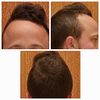
A user shared a 3-month progress update on using minoxidil and finasteride for hair regrowth, noting thicker hair. Replies included congratulations and advice on consistent lighting for photos.
The conversation discusses adding melatonin powder to a topical finasteride solution for hair loss, with one reply suggesting that melatonin may promote faster hair growth but advising against mixing it directly into the solution due to potential instability.
The user has been using Minoxidil for 15 years and recently started using a topical Finasteride spray, noticing an increase in small, thickening hairs after two months. They experienced side effects with oral Finasteride but only minor ones with the spray, and still have more than half the bottle left after two months of use.
A regimen for hair loss, which includes using Nizoral shampoo twice daily, Minoxidil foam from the can, 5mg of Propecia crushed and snorted on weekends, and dermastamping directly to the head of the penis. Replies discuss potential sides and other treatments, as well as the idea that confidence is more attractive than hair.
A female user's six-month progress with only minoxidil and ketoconazole, including their experiences before and after using the treatments. They also discussed the differences between male and female hair loss and suggested that meds may offer more progress, though some results can be had without them.
Finasteride is used for hair stabilization, while minoxidil is avoided due to side effects. Styling tips include using hair fibers, washing hair less frequently, and managing anxiety related to appearance.
A 23-year-old achieved significant hairline regrowth using minoxidil, saw palmetto, collagen peptides, biotin, omega-3, iron, ketoconazole shampoo, and scalp care techniques, without finasteride or dutasteride. The user attributes success to this combination but is unsure which element is most effective.
A user discusses making DIY dutasteride capsules from powder bought from China, using a mix of MCT oil and propylene glycol. Others warn about the risks of incorrect dosing, potential degradation, and the possibility of receiving fake products.
Avoid layering thin or thinning hair, as it can make hair appear thinner and uneven. Proper framing and minimal layering can help maintain a fuller look, especially when using treatments like Minoxidil and Finasteride.
A 28-year-old male has been using topical dutasteride and minoxidil for a year without improvement, experiencing persistent hair shedding. It is suggested that the treatment might not be effective for him, and he should consider other approaches or check for underlying conditions.
A user shared their experience with a hair restoration method involving adding individual human hairs on ultra-fine strands between existing hair, allowing for natural movement and appearance without blocking the scalp. They also continue using rosemary oil and gentle massage for basic growth support.
A user experienced hair retention but sexual side effects after using dutasteride for a year. Others shared similar experiences with finasteride and dutasteride, suggesting consulting a doctor for persistent issues.
A 17-year-old experiencing hair loss, thinning, and white hair seeks advice on effective treatments. They have started using shampoo and conditioner but have not seen improvement and are open to product suggestions.
Lifestyle changes may not significantly impact hair loss, as factors like DHT and genetics play a larger role. Some users suggest treatments like finasteride, dutasteride, and microneedling for hair growth.
Microneedling for hair loss involves using a derminator pen at a depth of 1-1.5mm, typically once a week or biweekly, with a 12-24 hour wait before applying minoxidil. Cleaning involves alcohol wipes, and it's advised to change needles after each use and avoid styling products on the day of microneedling.
A 31-year-old individual started taking finasteride 24 days ago to address hair thinning and loss, which has worsened their mood and stress. They have not yet added minoxidil and are experiencing significant shedding, contributing to sleep issues and insecurity about their hairline.
Disinfecting microneedlers is important to prevent infection, with suggestions to use high-percentage alcohol or denture tablets for sterilization. Rollers may cause skin damage, so stamps or pens are recommended for safer microneedling.
Microneedling can help with hair loss by inducing collagen if done correctly, but improper technique may cause scarring and worsen the condition. Some users apply dissolved vitamin C before and after microneedling to enhance results.
Microneedling may worsen hair loss due to potential scarring and inflammation, with some users suggesting caution and proper technique to avoid damage. Alternatives like Minoxidil, finasteride, and RU58841 are implied as safer options.
A 22-year-old male shared his positive experience using 1 mg finasteride daily for two years, noting significant hair thickening and texture improvement without side effects. Other users discussed their own hair loss treatments, including finasteride and minoxidil, and shared encouragement and advice.
People are excited about a new hair loss treatment, PP405, and some suggest using Twitter to increase its visibility. Current treatments mentioned include finasteride, minoxidil, and dutasteride, but skepticism remains about the effectiveness of new treatments.
The conversation is about a hair care routine focused on microneedling and using DHI Hair Serum for temple hairline regrowth, without using minoxidil or finasteride. The user seeks advice on the best derma pen in India and feedback on their routine.
Hair loss treatments, including finasteride, minoxidil, and herbal supplements, with a humorous tone. Users discuss the challenges and sacrifices of hair loss and hair restoration efforts.
Exercise temporarily increases DHT levels, but this is unlikely to cause significant hair loss. Finasteride and minoxidil are effective treatments to manage hair loss.
Using tretinoin to enhance minoxidil absorption for hair loss treatment. Apply tretinoin, wait 30 minutes, then apply minoxidil; use moisturizer to manage skin reactions.
The user experienced worsening hair density after using finasteride, dutasteride, and RU58841, suspecting RU58841 might be the cause. They are considering stopping RU58841 after a scalp biopsy, while others share mixed experiences with RU58841's effectiveness.
Excessive use of Nizoral can lead to dry, brittle hair and is not recommended more than 1-2 times a week. Users suggest using conditioner to mitigate dryness and note that Nizoral is more effective for treating fungal issues rather than regrowing hair.
Minoxidil with alcohol and propylene glycol was more effective than non-alcohol versions, and RU58841 worked best in a non-water-based solution. Oral finasteride showed better results than topical, despite side effects; microneedling and tretinoin worsened hair loss, and PRP was only helpful when younger.
An 18-year-old began using Finasteride and Topical Minoxidil for hair loss, later switching to Oral Minoxidil and Dutasteride by age 25. The conversation emphasizes early treatment, potential side effects, and differing opinions on medication effectiveness.