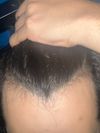
The user's 42 month experience using finasteride for hair loss, their opinion on minoxidil use and the potential of pyrilutamide and another Chinese drug as treatments.
A pharmacy error resulted in a finasteride solution being 100 times stronger than prescribed, not 10,000 times as initially feared. OP is advised to contact the pharmacy to clarify the preparation before traveling.
The user is experiencing significant hair loss and has been using 5% minoxidil for 11 months, finasteride for nearly 6 months, and gel tretinoin for 4 months, with inconsistent use of ketoconazole shampoo. Despite these treatments, they are losing 200-250 hairs daily and are concerned about the lack of stabilization and potential continuous hair loss.
A 29-year-old is using 1mg oral finasteride and 50mg/g topical minoxidil daily for hair loss, with plans to reduce minoxidil use due to greasiness and considering a hair transplant for receding temples. No side effects from finasteride were reported, and many users suggest a transplant may not be necessary due to good hair density.
A user shared impressive hair regrowth results after using 1mg finasteride daily for over a year, with minimal side effects. The user also mentioned taking biotin gummies and experiencing periods of shedding followed by thicker hair growth.
A user shared progress pictures after 3 years on finasteride, showing improved hair thickness and density, and mentioned losing 15kg. The user plans to fix their hairline next month and received mixed feedback on their hairstyle and the effectiveness of finasteride.
The user is asking for opinions on whether their hair growth is due to Pantostin and hormone treatments. One commenter confirms regrowth and asks about the hormone treatments.
A user shared their daily hair loss treatment routine, which includes 1mg of oral finasteride, 1mg of oral minoxidil, 1ml of castor oil, biotin, collagen, multivitamins, zinc, magnesium, liver supplements, RU58841 every night, and ketoconazole shampoo twice a week. They also mentioned a healthy lifestyle and a past unsuccessful hair transplant, but have experienced hair regrowth and thickening since starting their current regimen.
Reducing the dose of Pyrilutamide from 5mg to 2.5mg may still maintain hair loss results, but effectiveness can vary. Users discuss the cost and dosage implications, with some cautioning against reducing the dose due to its dose-dependent nature.
A user was prescribed Alpicort E, which contains Estradiol Benzoate, Prednisone, and Salicylic Acid, for hair loss and is seeking others' experiences due to concerns about potential side effects.
The user shared progress pictures comparing hair from February 2024 to September 2025, using Dutasteride since May 2020 and Minoxidil since April 2023. Another user noted that progress can't be assessed without before and after photos spaced months apart.
The user switched from finasteride to dutasteride for hair loss treatment, also using topical minoxidil, micro needling, keto shampoo, and PRP sessions. They've seen improvements, with reduced hair shedding and new hair growth, especially at the hairline.
Amino acids like lysine, methionine, and cysteine may help with androgenetic alopecia when taken in high doses along with a DHT blocker. Users discuss combining these with treatments like Minoxidil, finasteride, and RU58841.
The user has been using minoxidil 5% at night, finasteride 1mg daily, dutasteride 0.5mg weekly, microneedling weekly, Nizoral 1% shampoo, and apple cider vinegar hair wash. They recently started taking oral minoxidil 2.5-5mg and report no side effects.
A user has been taking finasteride, using a derma-roller, LLLT, and argan oil, but experienced significant hair loss at the one-year mark. They are concerned if this is a normal shedding phase or something to worry about.
The user had high DHT levels after 8 months on dutasteride, questioning the drug's authenticity. They got dutasteride from a legitimate source and will update on progress.
The conversation is about managing allopregnanolone deficiency caused by 5-alpha-reductase inhibitors like finasteride or dutasteride. Specific treatments discussed for hair loss include Minoxidil, finasteride, and RU58841.
User is experiencing severe hair loss despite using finasteride for 15 months, losing 500 hairs a day and 50% density since June. Minoxidil with needling was ineffective, and RU58841 is too expensive and hard to obtain.
The user experienced hair improvement using 1mg finasteride daily for six months, managing seborrheic dermatitis with rosemary and eucalyptus oil. They are considering switching to dutasteride for potentially better results.
Finasteride may be losing effectiveness for the user after 4.5 years, possibly due to intense workouts or a synchronized hair shedding cycle. Suggestions include switching to Dutasteride or continuing with Finasteride while considering a hair transplant for hairline density.
The potential of using a specific antibody, HMI-115, as a treatment for hair loss alongside traditional treatments such as minoxidil and finasteride. The user suggests trying either a 240 mg or 30 mg dose to see if it works.
The user is using oral finasteride, topical minoxidil, and microneedling for hair loss. Progress has slowed, with the crown showing little change, but the hairline is improving with more thin baby hairs.
A 21-year-old's hair loss worsened despite using finasteride, oral and topical minoxidil, microneedling, and keto shampoo for a year. They are considering switching to dutasteride and improving their diet.
An 18-year-old male has been using finasteride for 11 months, minoxidil since September, dutasteride weekly, chelated iron supplements, and derma rolling, but his hair loss has worsened. He switched finasteride brands from Finalo and Finbald, and is concerned about decreased hair density.
The user is pleased with hair regrowth after taking daily tablets of 1.1 mg finasteride, 3 mg minoxidil, and 2.5 mg biotin for 3 months, with no side effects and some light shedding. The most noticeable improvement is at the crown, which was the main concern.
A 36-year-old started using finasteride (0.3-0.5mg daily), 5% minoxidil foam, and weekly dermarolling/dermapen treatments to address hair loss. They also began taking supplements for low ferritin and vitamin D, hoping to improve hair thickness and cover a bald spot.
A user shared their 3-month experience using finasteride, reporting no side effects and noticeable hair improvement. Their regimen included finasteride, keto nizoral, biotin, multivitamins, omega-3, flaxseed, and a high-protein diet.
The user has been using finasteride and minoxidil for 7 months, seeing thicker hair but no temple regrowth, and is considering switching to dutasteride. Another person suggested trying microneedling on the temples before changing medications.
A user started balding early and initially used minoxidil, which helped temporarily. They recently switched from topical to oral finasteride, hoping it will improve their hair without needing a transplant, while continuing with minoxidil and microneedling.