Low doses of dutasteride are as effective as higher doses for hair regrowth, with fewer side effects. Users find success taking it 2-3 times a week instead of daily.
Castor oil's effectiveness for male pattern baldness, receding hairline, and thinning crown is questioned, including its application method and potential side effects. The user also mentions experiencing hair shedding with coconut oil.
The user recommends washing hair twice daily with glycerin soap, using finasteride and minoxidil, avoiding cigarettes and alcohol, and maintaining a diet rich in fruits and vegetables. They claim these methods have significantly improved their hair health over 25 years.
Topical finasteride is less popular due to inconvenience, cost, and availability, while oral finasteride is favored for ease and safety. Some users experience side effects with topical use, but find it effective with minoxidil, though opinions on its efficacy vary.
A user asked if it's safe to swallow semen from a partner using topical finasteride and minoxidil. Responses varied, but most suggested it's likely safe, with minimal risk from small amounts of finasteride in semen.
The user is switching from oral to DIY topical finasteride due to side effects and is using a solution with 10 mg finasteride in a 100 mL mixture. They are concerned about the effectiveness of the formula due to white sediment forming in the solution.
The conversation is about a person considering making their own topical finasteride to avoid side effects from oral use. They discuss potential methods and ingredients, including cayenne pepper extract, rosemary, and coconut oil, and seek advice on effectiveness and alternatives like light therapy or dermarolling.
Minoxidil should be left on the scalp for at least 4-6 hours for effective absorption, even if it feels dry after 30 minutes. The skin's interaction with the chemical continues regardless of the solution's evaporation.
Minoxidil is typically applied once daily, with some users opting for foam to minimize irritation. Users often combine it with finasteride or use oral minoxidil for improved results, while managing scalp irritation with ketoconazole or salicylic acid shampoos.
The user is using finasteride 1mg every other day and seeks a topical solution to complement it, excluding minoxidil. They are considering various combinations of ingredients like finasteride, dutasteride, and tofacitinib, with options for nourishing oils and other additives.
Minoxidil requires at least 6 months to show results and may not work for everyone. Combining it with Finasteride can improve outcomes, but stopping Minoxidil can result in losing any regrowth.
The conversation discusses the timing of applying Minoxidil and finasteride after microneedling. Opinions vary, with some suggesting immediate application and others recommending waiting to avoid skin irritation.
User shared 2-year progress with Dutasteride, 5mg oral minoxidil, and 7 months of RU58841 for hair growth. RU58841 was most effective, stopping itching and promoting significant growth.
.
This user experienced positive results from using a combination of minoxidil and finasteride, with no reported side effects after two months. Others have also shared their experiences with both short-term and long-term use of finasteride.
Using essential oil roller bottles makes applying minoxidil easier and more convenient. Oral minoxidil has potential side effects, including heart issues, while topical application is considered safer.
A user's 4-year journey of using Finasteride to improve their hairline, which they started noticing results from within the first month, and experienced significant shedding during the first year. They also tried Minoxidil but had heart palpitations so stopped taking it.
Oral minoxidil can cause side effects like heart issues, increased body hair, and facial puffiness, but these are often dose-dependent and temporary. Users report varying experiences, with some combining it with finasteride or RU58841 for better results, while others experience minimal or no side effects.
The user switched from an alcohol-based Minoxidil to a non-alcohol variant with oleanolic acid due to scalp dryness. They are concerned if the non-alcohol variant will be less effective for hair growth.
The post discusses dealing with dry, frizzy hair while using Minoxidil. The user suggests avoiding alcohol-based products and considering silicone shampoo to protect hair.
The user is trying Hair + Me's 5% minoxidil and 0.1% finasteride topical, which has a different carrier and pleasant smell compared to traditional alcohol-based formulas. They are seeking feedback on its effectiveness compared to classic formulas.
A 21-year-old man experienced positive hair regrowth results after using a homemade topical solution containing 0.030% finasteride and 5% minoxidil for four months. He reported no side effects with the Trichosol-based solution, unlike previous issues with alcohol-based formulas.
The new formulation includes minoxidil, finasteride, redensyl, caffeine, and propacil, and removes alcohol. The user is concerned about potential hair shedding due to the change in ingredients.
The conversation is about making a topical finasteride solution by dissolving crushed finasteride tablets in an alcohol-basedhairtreatment. Ingredients of the hairtreatment include alcohol, water, and various plant extracts and preservatives.
Liposomal carriers for topical finasteride offer better targeting, reduced side effects, and less irritation compared to alcohol-based solutions, but availability and cost may limit their use. Minoxidil can dissolve in liposomal carriers, enhancing delivery and stability.
The user is considering making a homemade topical finasteride solution using an ethanol-based carrier. They are inquiring if a solution containing partially denatured ethyl alcohol and benzalkonium chloride is suitable.
A user experienced an allergic reaction, including swollen lymph nodes, to Minoxidil 5% with an aqueous base. Switching to a non-alcohol-based Minoxidil (Prolox 5%) resolved the allergies.
Counterfeit minoxidil can be identified by inconsistencies in bottle fill levels, label details, and smell compared to genuine products. Genuine minoxidil has a specific alcohol-based smell and consistency, while counterfeit versions may smell musky and feel greasy.
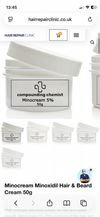
A user is considering switching from a 5% minoxidil spray to a minoxidil cream for easier application and less greasiness. They are inquiring about the Hair Repair Clinic 5% minoxidil cream, which includes optional tretinoin and other ingredients like isopropyl myristate and beeswax.
Alcohol-free minoxidil options in Europe, particularly from a German pharmacy, are recommended for those with seborrheic dermatitis. Users suggest alternatives like Alopexy and Doppelherz foam, and emphasize avoiding propylene glycol and alcohol to reduce irritation.
The conversation is about a user who tried dissolving a metformin pill in water for hairtreatment but faced issues with hair sticking together. The user is seeking advice on preparing a non-irritating, non-sticky lotion at home, possibly experimenting with metformin and Alpha Keto glutarate.