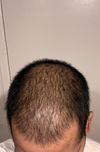
Dr. Reddy's Mintop Yuva 5 Minoxidil uses benzyl alcohol instead of ethyl alcohol or propylene glycol. The user is inquiring if this formulation causes dandruff or skin peeling and if its efficacy is affected.
A 21-year-old man experienced positive hair regrowth results after using a homemade topical solution containing 0.030% finasteride and 5% minoxidil for four months. He reported no side effects with the Trichosol-based solution, unlike previous issues with alcohol-based formulas.
A user shared a positive experience using Minoxidil (2.5mg) and Finasteride (1mg) daily for hair loss, noting initial side effects like numbness and reduced alcohol tolerance but overall hair improvement after a year. They also used rosemary shampoo and supplements, emphasizing the importance of consulting a dermatologist and maintaining a healthy lifestyle.
The conversation discusses whether using 0.1% topical finasteride alongside 0.5 mg oral finasteride is excessive, with suggestions to choose either oral or topical treatment. The user also uses 5% minoxidil and mentions concerns about alcohol-based solutions due to seborrheic dermatitis.
Counterfeit minoxidil can be identified by inconsistencies in bottle fill levels, label details, and smell compared to genuine products. Genuine minoxidil has a specific alcohol-based smell and consistency, while counterfeit versions may smell musky and feel greasy.
A 33-year-old experienced significant hair loss after a depressive episode and taking paroxetine, possibly due to telogen effluvium or androgenic alopecia. Suggestions included reducing alcohol, considering finasteride and minoxidil, and consulting a doctor about antidepressant side effects.
A user seeks a minoxidil and tretinoin foam-based product for improving a patchy beard in India. They are unsure about the safety of alcohol-based options for beard use.
A 30-year-old male experienced rapid hair shedding over 6-7 months due to stress, depression, and nicotine/alcohol use, but has since stopped these habits. He seeks advice on remedies, medications, or diet changes to address hair loss.
The user experienced significant hair regrowth using 1mg oral finasteride, DIM, and beetroot powder, while also focusing on gut health and reducing alcohol intake. Other users discussed the importance of iodine, fermented foods, and maintaining a balanced diet for overall health and hair improvement.
Microneedling for hair loss involves using a derminator pen at a depth of 1-1.5mm, typically once a week or biweekly, with a 12-24 hour wait before applying minoxidil. Cleaning involves alcohol wipes, and it's advised to change needles after each use and avoid styling products on the day of microneedling.
A user in Russia is trying to make topical finasteride at home using ethanol, finasteride tablets, water, and propylene glycol due to unavailability in their country. They are concerned about tablet residue and considering using isopropyl alcohol or adding finasteride to a hair growth lotion.
The user is trying Hair + Me's 5% minoxidil and 0.1% finasteride topical, which has a different carrier and pleasant smell compared to traditional alcohol-based formulas. They are seeking feedback on its effectiveness compared to classic formulas.
A user is seeking advice on creating a Minoxidil-free topical Finasteride solution due to side effects and concerns about pets. They plan to use Isopropanol alcohol, Propylene Glycol, and distilled water to make a 0.02% solution, starting with 1ml applications.
Foam minoxidil may be a good alternative for those who experience irritation from liquid minoxidil, though opinions on its effectiveness vary. Some users suggest oral minoxidil as a more effective option with fewer side effects at low doses, while others recommend foam or alcohol-free topical versions for sensitive scalps.
The conversation is about identifying the cause of a burning red scalp from a topical hair loss formula. Retinoic acid and ethyl alcohol are suspected irritants, with retinoic acid being considered for removal.
Hair loss treatments include using finasteride, dutasteride, and RU58841. Lifestyle changes like increasing carb intake and moderate alcohol consumption are suggested to boost estrogen levels.
The user reported noticeable hair improvement after nearly two months using topical minoxidil twice daily, finasteride 1mg daily, and weekly microneedling, along with lifestyle changes like reducing alcohol consumption. They experienced minimal shedding and no significant side effects from finasteride.
RU58841 powder is discussed for hair loss treatment, with suggestions to use a 5% solution in isopropyl alcohol. One user mentions using RU injections directly to the scalp.
Minoxidil may improve or worsen skin quality, with topical forms causing dryness and wrinkles, possibly due to alcohol content, while oral forms have fewer side effects. Some users consider using tretinoin to mitigate negative effects.
The user is considering making a homemade topical finasteride solution using an ethanol-based carrier. They are inquiring if a solution containing partially denatured ethyl alcohol and benzalkonium chloride is suitable.
Use a stamp or roller for microneedling; stamps are preferred to avoid hair pulling. Clean tools with alcohol to prevent infection, and replace stamps every 4-6 uses.
A user discussed trying a hair loss product containing 10% Minoxidil and 1% Finasteride, noting it dries quickly and smells of alcohol. Other users commented that 10% Minoxidil might cause more irritation without added benefits compared to 5%.
The conversation discusses using minoxidil foam as a solvent for topical finasteride. Ingredients of minoxidil foam include butane, cetyl alcohol, glycerin, and purified water.
The conversation discusses the possibility of creating liposomal topical finasteride at home or at a local pharmacy, questioning if it is an expensive or proprietary technology. It also mentions making topical finasteride using alcohol and propylene glycol.
Topicals like minoxidil and finasteride should reach the scalp, but excessive massaging can cause hair to fall out. The evaporation felt is likely the carrier substances like alcohol or propylene glycol.
The user experienced severe hair shedding despite using oral finasteride, minoxidil, dutasteride, and RU58841, and was diagnosed with Non-Alcoholic Fatty Liver Disease (NAFLD). They are considering switching to topical treatments due to the ineffectiveness of their current regimen.
A user is seeking advice on creating a homemade finasteride foam similar to over-the-counter Minoxidil foam, due to issues with glycerin and propylene glycol in their current solutions. They are considering using a mixture of ethanol/alcohol and water for the foam.
Minoxidil may age skin by slowing collagen synthesis, but using collagen peptides and a basic skincare routine might counteract this. Foam minoxidil could reduce systemic absorption and avoid alcohol-related side effects.
A dermatologist prescribed a topical solution with 7% minoxidil, 0.1% finasteride, and 0.015% tretinoin from Medrock pharmacy. The user is asking if anyone has tried it and if it contains alcohol.
The conversation is about buying an authentic Dr. Pen for microneedling in Belgium and where to purchase related supplies like 70% isopropyl alcohol, denture tablets, antiseptic cleanser, and hyaluronic acid. The user is unsure about the official site and seeks recommendations.