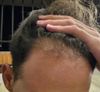
Dutasteride may affect testosterone levels, leading to high ferritin and iron levels, which can cause hair loss. High ferritin might be linked to past heavy drinking or hemochromatosis.
A 25-year-old man with mild hair loss is using a topical finasteride treatment, biotin and ajuga reptans supplements, ketoconazole shampoo, and microneedling for hair growth. Due to a heart condition, he can't use minoxidil and is seeking alternative hair growth treatments, considering both medicinal and natural remedies like rosemary oil.
The user is seeking advice on improving their hairline, currently using dutasteride 0.5mg/day and oral minoxidil 5mg/day for 14 months. They want to avoid a hair transplant and are concerned about thin hair and receding temples.
The user is using Dutasteride and oral Minoxidil for hair regrowth and is considering adding topical Minoxidil but is allergic to propylene glycol, which is present in the product they found. They need a solution with tretinoin that does not contain propylene glycol.
Using topical finasteride with creatine might help reduce hair loss by targeting local DHT while maintaining normal systemic levels, but results are uncertain without testing. Users report mixed experiences with topical treatments like finasteride, dutasteride, RU58841, and minoxidil, with some seeing regrowth and others experiencing side effects.
A user questions if a topical compound with finasteride, dutasteride, minoxidil, retinoic acid, caffeine, and triamcinolone is excessive for hair loss treatment. Another user shares their experience using topical finasteride without issues and notes that alternating finasteride and dutasteride is common.
Transgender hormone therapy, including Estradiol Valerate, Spironolactone, and Progesterone Micronized, can reverse male pattern baldness and improve hair health. The user shares their positive experience with hair regrowth after transitioning from male to female.
Dutasteride is considered safe for conception, with semen concentrations being too low to cause harm. Users discuss switching between dutasteride and finasteride, with some experiencing side effects like acne and heart issues, and advice is given to maintain a consistent treatment regimen.
Kintor Pharma completed a successful Phase II clinical trial for KX-826, a treatment for androgenetic alopecia. KX-826 is similar to finasteride with minor side effects and is more backed than Cosmerna.
A user is concerned that prolonged use of valisone (betamethasone) and clotrimazole solution for scalp dermatitis may be causing hair thinning and loss. They noticed thinning in the area where the solution was applied.
The conversation is about using a DHT-blocking supplement alongside finasteride for hair loss. The user decided against the supplement and increased their finasteride dose from 1 mg to 2.5 mg per day.
The user is using 5% topical minoxidil twice daily and 1.25 mg oral finasteride for hair thinning at the temples. They are considering switching to once-daily minoxidil due to scalp flakiness and future time constraints.
The conversation discusses a prescription for hair loss treatment. Minoxidil is mentioned as a treatment that should be used daily, not just two days a week.
A user shared their hair loss experience and treatment routine, which includes using Minoxidil (5% Rogaine foam) and Dutasteride 0.5, along with various supplements and natural oils. They reported positive results and emphasized the importance of liver health and thyroid function, despite skepticism from others about the effectiveness of supplements.
Long-term use of finasteride and dutasteride may be linked to health risks like fatty liver disease, insulin resistance, type 2 diabetes, dry eye disease, and potential kidney disease. Some users believe the risks are low and the medications are generally safe.
Dutasteride is effective for hair loss but may cause side effects like decreased sperm count, which might not fully recover after stopping. Users discuss balancing dosages to minimize side effects while maintaining benefits.
The conversation discusses preventative hair care measures for hair loss, focusing on non-prescription treatments like rosemary, peppermint, castor oils, microneedling, and ketoconazole shampoo. It also touches on the use of finasteride, minoxidil, and RU58841 for those experiencing hair loss.
The conversation discusses a hair loss regimen involving finasteride, dutasteride, minoxidil, RU58841, and various supplements like biotin, omega-3, vitamin D3, zinc, and magnesium. The user also uses dermastamping and topicals like ketoconazole and diclofenac, with mixed opinions on zinc's effect on hair loss.
A user experienced unexpected hormone test results after 7 months on 1mg daily finasteride, noting a decrease in estradiol despite expectations of an increase. Other users suggested that hormone responses can vary and that finasteride might still be effective if DHT levels are within range, while also mentioning factors like circadian rhythm and stress that could impact results.
Minoxidil's effectiveness varies due to differences in sulfotransferase enzyme levels in the scalp, affecting people with conditions like ASD, liver disease, and androgenic alopecia. Treatments like topical tretinoin, microneedling, and using minoxidil sulfate instead of regular minoxidil can improve results for those with low enzyme levels.
A 25-year-old is experiencing hair thinning despite using 0.5mg oral dutasteride, 0.3% topical finasteride, and 6% topical minoxidil daily for a year. They are considering increasing dutasteride dosage and exploring other treatments like microneedling and KX 826, while seeking further medical opinions on their condition.
A 31-year-old man with androgenic alopecia is considering treatments like finasteride, minoxidil, and ketoconazole shampoo but is worried about finasteride's side effects. Users recommend starting with finasteride or dutasteride for DHT blocking, suggesting topical solutions to reduce side effects.
Clascoterone is considered overhyped and not as effective as finasteride or dutasteride, but it may be useful as a supportive treatment in combination with other therapies. Users express skepticism about its effectiveness compared to clinical trials, with some suggesting it could be beneficial for those who cannot tolerate other treatments.
To minimize hair loss while using steroids, use finasteride or dutasteride and apply topical anti-androgens like RU58841. Avoid high doses of hair-toxic steroids; prefer testosterone, nandrolone, and boldenone.
A user experienced significant hair growth using oral dutasteride and minoxidil but developed severe erectile dysfunction, likely exacerbated by obesity and diabetes. They plan to lose weight and possibly adjust medication to alleviate side effects.
The conversation discusses various hair loss treatments, including minoxidil, finasteride, latanoprost, tretinoin, dutasteride, and cetirizine, with concerns about effectiveness, cost, and potential side effects. Users express skepticism about the product's price and the combination of multiple compounds.
A new hair loss protocol using FDA-approved topical treatments targets eight pathways, potentially improving results by 60-75% compared to the standard 40-50% from oral minoxidil and finasteride. The protocol includes minoxidil, finasteride, tacrolimus, cetirizine, bimatoprost, lithium gluconate, losartan, melatonin, NAC, caffeine, and tretinoin, with a monthly cost of $35-50 in Mexico and $80-150 in the US.
User experienced feminizing side effects from finasteride and tried RU, alfatradiol, and finasteride without success. They are now considering treatments like Stemoxydine, Zix, Minoxidil, Dermarolling, Eucapil, and a hair transplant.
Stemoxydine's effects on hair growth are uncertain and not well-studied, with users reporting mixed results and concerns about maintaining gains. Some users combine it with 5AR inhibitors like Dutasteride, but results vary, and conditions like lichen planopilaris complicate treatment.
A user is experiencing facial bloating from low-dose topical finasteride due to high estradiol levels and is seeking advice on using DIM to manage this issue, including dosage and brand recommendations.