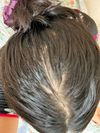
Microneedling can still be beneficial when using oral finasteride and minoxidil, with a recommended needle length of 0.5mm to 1.0mm. A stamp or pen is preferred over a roller for microneedling.
The conversation discusses the use of autologous exosomes for hair loss, questioning their effectiveness and seeking real user experiences. The user is skeptical about the treatment's legitimacy and is looking for honest feedback on its results.
People discuss hair loss treatments like minoxidil, finasteride, and dutasteride, sharing experiences and side effects. Opinions vary on combining treatments, with some skeptical and others reporting success.
The user experienced hair recovery using oral dutasteride 0.5 mg and oral minoxidil 5 mg daily, considering increasing dutasteride dosage but concerned about cost and effectiveness. They noted progress and discussed alternatives like hair transplants and other medications.
The user has been using oral minoxidil for 4 years and durum wheat 3 days a week for 7 months, but is experiencing increased hair loss when washing hair. They suspect it might be due to decreased DHT levels and are seeking similar experiences from others.
Hair loss significantly impacts self-perception and attractiveness, with treatments like finasteride, minoxidil, and hair transplants suggested. The conversation highlights the emotional struggle and societal perceptions tied to hair loss.
The user experienced significant hair regrowth using 1mg finasteride daily and 5% minoxidil twice a day over 6.5 months, improving from a Norwood 3.5 to a Norwood 2. Despite progress, they still feel their hair is thin, especially at the temples.
Switching from finasteride to dutasteride improved erections, sex drive, and mood for one user, though experiences vary widely. Some users report fewer side effects with dutasteride, while others experience more severe issues or hair loss.
The conversation discusses the use of coenzyme Q10 as a potential aid for androgenetic alopecia, alongside dutasteride. The user is seeking feedback on whether coenzyme Q10 improves or worsens hair condition.
A 33-year-old is experiencing positive hair regrowth after 4.5 months using 0.5mg finasteride, topical minoxidil, ketoconazole shampoo, and a 0.5mm derma stamp. They had initial shedding but now see less hair loss, with no sexual side effects and improved libido.
The user experienced a sudden and severe hair loss after 1.5 years of successful treatment with finasteride and minoxidil. They plan to check their thyroid and vitamin D levels as potential causes.
Users are experiencing hair shedding after initial improvement using treatments like Minoxidil, finasteride, and dutasteride. Shedding is seen as a sign of progress, but concerns arise when hair falls out again after a few months.
The user has mostly recovered hair density using finasteride, alternating oral and topical minoxidil, and occasional dermarolling, but the crown area is still struggling. Advice includes continuing treatment for up to 24 months and possibly consulting a doctor if issues persist.
The user switched from finasteride to dutasteride and is using minoxidil and RU58841 for hair loss treatment. They are satisfied with the progress and considering a hair transplant, despite some initial shedding after the medication change.
The conversation is about using alfatradiol as a hair loss treatment. The user is considering adding it to their regimen because it is safe, mild, and easily available in Europe.
The user has been using finasteride, minoxidil, vitamin B12, biotin, vitamin C, resveratrol, zinc sulfate, and Nizoral for 5 months without seeing results. Suggestions include reducing dermaroller frequency and trusting the process as more time may be needed.
Finasteride and Minoxidil may continue to improve hair regrowth after one year, but significant changes are unlikely, and most improvements occur in the first year. Some users report minor improvements after 18 months or more, but maintenance is the primary benefit after the initial year.
The conversation is about hair loss treatments, specifically using topical minoxidil for two weeks. Users suggest adding finasteride and possibly a DHT blocker like dutasteride for better results.
Minoxidil, finasteride, and vitamins like D3K2 and beef liver are helping with hair regrowth, especially at the back of the head and temples. The user reports visible improvement with thicker hair and new baby hairs.
A user claims to have reversed baldness, possibly due to telogen effluvium recovery after weight loss. Others discuss the potential success of using GHK-Cu for hair regrowth.
A user is experiencing hair loss in the center of their hairline and has been using topical finasteride for seven months with minimal progress. They are considering switching treatments due to concerns about losing ground and potential side effects of other options.
A user shared their 9-month progress using 1mg daily finasteride, noting initial side effects like low libido and ED that resolved over time, and advised staying on the treatment for at least a year before considering a hair transplant. Other users suggested adding minoxidil for better results and recommended using ketoconazole shampoo for dandruff.
A user shared their experience with hair loss treatments, using minoxidil, pyrilutamide, alfatrodial, and nizoral to improve hair density and thickness. They reported positive results without side effects and emphasized the importance of consistency with topical treatments.
The user has been using oral finasteride daily, topical minoxidil twice a day, tretinoin once a week, and 2% ketoconazole twice a week since February 5th. They shared progress pictures showing hair improvement over two and a half months.
The user is considering switching from Hims to generic minoxidil and finasteride, with slightly lower dosages. They are concerned about maintaining their current hair condition without regrowth.
The user experienced increased hair density and improved hairline definition after 8 months of using 1mg finasteride and 5mg minoxidil (both oral and topical) daily, though the hairline recession hasn't reversed. They noticed fuller eyelashes and increased shedding, but overall hair growth is outpacing the loss.
The user shared their 4-month progress using oral finasteride and topical minoxidil, with a specific application routine. They adjust the minoxidil application to manage costs, applying it daily with variations in quantity and additional tretinoin on certain days.
Switching from finasteride to dutasteride for hair loss, with some users reporting better results and less hair shedding on dutasteride. Others experienced noticeable prevention but not significant gains, and some faced issues like scalp itching.
The user reported progress in hair regrowth after 3 months using finasteride, biotin, and minoxidil, with no sexual side effects. Most responses noted significant improvement, encouraging continued use for full results.
The user has been on finasteride for two years, experiencing maintenance of hair without significant regrowth, and is considering adding minoxidil for potential improvement. They are generally satisfied with the results and are exploring other options like peptides and possibly a hair transplant in the future.