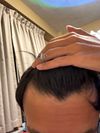
The conversation discusses hair loss treatment using 1.25 mg finasteride, 3 mg oral minoxidil daily, and ketoconazole shampoo twice a week. Opinions vary on the effectiveness, with some noticing progress and others seeing no difference.
A user with seborrheic dermatitis and traction alopecia is seeking alternatives to minoxidil for hair loss, considering rosemary oil for its anti-inflammatory properties. They express concerns about potential side effects and effectiveness of various treatments, including rosemary oil, caffeine, and Redensyl.
The conversation discusses using minoxidil, finasteride, spironolactone, and RU58841 for hair loss treatment. Users share experiences with these treatments, noting side effects and varying effectiveness.
The conversation is about using RU58841 for hair loss treatment, specifically mixing it with minoxidil without propylene glycol due to an allergy. The user is considering starting with a lower concentration of RU58841 and making smaller batches to maintain efficacy.
A user experienced a tingling sensation in their mouth after taking a cut finasteride pill, possibly due to inactive ingredients like mannitol or sodium lauryl sulfate. Tingling is not a common side effect or typical allergy sign, but monitoring for unusual reactions is advised.
The user experienced no regrowth after nine months on minoxidil and developed red bumps after starting finasteride. They also use Nizoral 2%, which helps slightly, but minoxidil causes intense itching.
The user started using 0.1% finasteride and 5% minoxidil twice daily and experienced an itchy scalp. Suggestions include checking for allergies, dry scalp, or seborrheic dermatitis.
A 47-year-old male shared his hair regrowth progress from 2022 to 2025, using finasteride 1mg daily, managing stress, and avoiding minoxidil due to an allergy. He experienced noticeable hair improvement, despite some skepticism about a comb-over, and emphasized the importance of stress management alongside treatment.
Minoxidil without propylene glycol is sought to avoid dermatitis, with Rogaine foam and Tecflox suggested as alternatives. Users discuss using foam to prevent irritation and suggest heating it for easier application.
A user experienced chest discomfort after taking finasteride for hair loss and is concerned about whether it is a side effect or an allergy. They are advised to consult a doctor and consider other hair loss treatments if necessary.
A user is concerned that using rosemary oil after microneedling might cause gynaecomastia due to increased absorption and potential DHT blocking. Other users believe rosemary oil is unlikely to affect hormones or cause gynaecomastia.
The user used finasteride for 8 months and minoxidil for 3 months but stopped minoxidil due to seborrheic dermatitis. They are experiencing hair shedding and thinning and are questioning if finasteride alone is sufficient.
A natural sugar called 2dDR may stimulate hair growth and is comparable to minoxidil, but it's not widely available for purchase. Concerns about minoxidil's safety for pets were discussed, with some users seeking alternatives.
Inflammation on the scalp can hinder hair regrowth and the effectiveness of treatments. The user is using ketoconazole shampoo, Selsun Blue, finasteride, and oral minoxidil.
A user added Castor Oil to their hair loss regimen, already using finasteride but not minoxidil. They seek feedback on Castor Oil's effectiveness and any potential negative experiences.
The user is struggling with seborrheic dermatitis and plans to try ciclopirox olamine after finding ketoconazole too drying. They are also using finasteride daily.
The conversation discusses making homemade topical solutions of dutasteride or finasteride using tablets, with suggestions to use alternatives like MinoxidilMax or stemoxydine due to difficulties in formulation. Some users recommend sticking to oral pills for effectiveness and ease.
A 29-year-old man regained his hairline using a consistent routine of topical minoxidil and finasteride, along with pumpkin seed oil, despite experiencing side effects like low libido and ED. He emphasizes the importance of consistency and is satisfied with his progress, choosing to avoid oral treatments due to potential side effects.
A user shared their 11-month hair regrowth progress using 1mg finasteride daily and topical minoxidil, noting significant improvement despite initial shedding. They advise continuing treatment through sheds and suggest starting finasteride before minoxidil if anxious about hair loss.
Sulfur soap may help with hair thickening and reducing scalp inflammation, but it can cause dryness. Nizoral, containing ketoconazole, is noted for its potential to reduce seborrheic dermatitis but may also cause scalp dryness and hair loss.
The conversation is about concerns regarding starting finasteride for AGA, with a preference for topical finasteride due to worries about oral side effects. The user is considering adding oral minoxidil later due to an allergy to topical minoxidil.
A 30-year-old man shares his successful hair loss protocol, which includes finasteride, Nizoral shampoo, low-level laser therapy, microneedling, and past use of oral minoxidil. He plans to consider dutasteride and possibly hair transplants in the future, while advising caution with crown transplants before age 35.
The user experienced significant hair loss after using RU58841 for a week and is seeking advice on recovery. They previously had side effects from finasteride and dutasteride.
Finasteride has helped stabilize hair loss, with some users noticing visible improvement and regrowth, particularly in temple areas. Side effects of finasteride are discussed, and minoxidil is suggested as an additional treatment if hair loss resumes.
A 25-year-old male is experiencing positive temple regrowth after using 1 mg oral finasteride daily and a custom topical solution from Musely containing minoxidil, dutasteride, tretinoin, ketoconazole, and hydrocortisone. He is considering adding dermarolling to enhance results, while others share their experiences and suggestions for hair regrowth treatments.
The user is experiencing white flakes and a greasy look from using a topical solution containing 0.025% finasteride, 8% minoxidil, 0.01% retinoic acid, and 1% hydrocortisone. Suggestions include reducing application frequency, using a brush to clean the scalp, and considering alcohol-free alternatives.
The user experienced initial hair regrowth using finasteride, minoxidil, and a dermaroller but faced setbacks after a treatment break and dry scalp issues. They are considering switching treatments and have added ketoconazole shampoo and reservatol plus to their regimen.
Finasteride may cause sleep disturbances, with some users experiencing insomnia. Reducing the dosage, switching brands, or trying Dutasteride might help.