Finasteride and Minoxidil effectively regrow hair but cause sexual side effects. The user is considering a Korean FUE hair transplant and is researching clinics and costs.
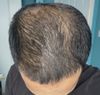
The user has severe diffuse thinning on the scalp and is using finasteride, topical minoxidil, dermarolling, tretinoin, and Nizoral without satisfactory results. They are considering a hair transplant but are concerned about the cost and the number of grafts needed.
A user is seeking recommendations for top hair transplant surgeons outside the US, focusing on hairline work and density, with a budget of $3,000 to $8,000. They prefer locations closer than Turkey due to travel constraints.
A user shared progress pictures of their FUT hair transplant in Korea, showing results one year post-op. The conversation highlights the density of the hair, the quality of Korean hair treatments, and mentions treatments like Minoxidil, finasteride, and Dutasteride.
The conversation discusses the potential of a new hair loss treatment, GT20029, which may prevent hair loss by destroying androgen receptors on the scalp. Users express hope for the treatment's success and speculate on its usage routine, effectiveness, and possible side effects.
Chris Bumstead got a hair transplant at Now Hair Time, and the discussion focuses on why he chose a less reputable clinic despite having the means for a better one, with some suggesting it was for financial gain. The conversation also touches on concerns about the naturalness of the hairline and the potential impact of his steroid use on the transplant's success.
The conversation is about starting a Discord group for people using KX-826 as their only treatment for hair loss, excluding those who are not serious or use multiple treatments. Someone agrees with the idea but mentions "GP :3," which is unclear.
A stem cell and adenosine triphosphate cocktail showed promising results in hair regrowth for male and female mice, with potential for future clinical trials. Users humorously reacted to the success in mice, expressing hope for human application.
The conversation is about people with advanced hair loss (Norwood 6 or 7) who have seen significant hair regrowth using treatments like finasteride, minoxidil, microneedling, and RU58841. Nine cases were collected to motivate others to try these treatments despite advanced hair loss.
After a hair transplant, using finasteride and minoxidil is common to support graft survival and prevent future hair loss. Dermastamping can enhance effectiveness, while saw palmetto may offer weak DHT blocking benefits.
A user did not respond to finasteride, dutasteride, and oral minoxidil for hair loss after four years of treatment and is considering scalp micropigmentation (SMP). Other users suggest the hair loss pattern may indicate alopecia areata and recommend seeing a dermatologist.
The conversation discusses GT20029, a compound by Kintor Pharma that degrades androgen receptors and is in trials, with potential as a hair loss cure. Another promising treatment mentioned is an antibody that blocks prolactin and has shown positive results in macaques.
PP405 shows promise in hair loss treatment, but stem cell therapy using adipose-derived stem cells and ATP also successfully reversed androgenetic alopecia in mice. Stem cell therapy is costly, and some doubt the effectiveness of PP405 based on press releases.
The conversation discusses struggles with diffuse thinning and hair loss treatments, including the use of dutasteride, minoxidil, and finasteride, with limited success. The original poster regrets having a hair transplant at 21 due to weak donor hair and ongoing thinning.
A 27-year-old male with AGA and diffused thinning has been using oral Minoxidil, Finasteride, Vitamin D, B12, Iron, and Ketoconazole shampoo. Despite a hair transplant and improved blood levels, he continues to experience hair loss and suspects a possible misdiagnosis of Alopecia Areata Incognita.
A user experienced an allergic reaction, including swollen lymph nodes, to Minoxidil 5% with an aqueous base. Switching to a non-alcohol-based Minoxidil (Prolox 5%) resolved the allergies.
OP is using 0.5 mg Dutasteride and 2.5 mg oral Minoxidil for hair loss and considering a hair transplant. Most users suggest waiting 1-2 years to maximize results from the medication before opting for a transplant.
Theo Von discussed undergoing a hair transplant and is reportedly using finasteride. Joe Rogan also had hair transplants but faced challenges due to thin donor areas and not using finasteride.
A 36-year-old man is considering starting oral finasteride and minoxidil, using ketoconazole shampoo, and possibly getting a 3000-graft FUE hair transplant. He previously had scalp micropigmentation but is now exploring medication due to fewer concerns about side effects.
Verteporfin reduces scar tissue in hair transplants but doesn't significantly regrow hair follicles. More testing is needed to determine its effectiveness.
The user shared a positive update on their hair transplant journey one year after the procedure in Turkey, where they received 4,350 grafts. They started taking finasteride at the 6-month mark and also use biotin, B6, B12, and scalp oils to support hair growth.
A 25-year-old is experiencing chronic telogen effluvium (TE) and androgenetic alopecia (AGA) after surgery, using finasteride, red light therapy, and supplements, and considering oral minoxidil despite heart concerns. They are unsure whether to start minoxidil before or after an upcoming surgery, which may trigger another hair shed.
A user shaved their transplanted hair during quarantine and shared positive results after one year, using Minoxidil 5%. They had 1,500 hairs transplanted via the DHI method with no visible scarring.
A user shared their 1.5-year progress after a FUE crown transplant, using dutasteride and oral minoxidil, which improved their hairline and stabilized hair loss. They experienced dizziness from topical minoxidil but had no side effects from finasteride, dutasteride, or oral minoxidil.
GT20029 is discussed as a potential treatment for androgenetic hair loss by targeting androgen receptors, unlike finasteride which reduces DHT broadly. Concerns include its effectiveness, genetic variations in androgen receptors, and availability, with some skepticism about its potential as a true alternative.
Scalp biopsies are crucial for diagnosing hair loss conditions like Diffuse Unpatterned Alopecia (DUPA) and retrograde hair loss, as treatments like finasteride and dutasteride may not be effective if other conditions are present. Combining PPAR-GAMMA agonists with retinoids could improve treatments for conditions like Lichen Planopilaris.
Kintor Pharma completed enrolling subjects for a Phase III trial of KX-826 for male hair loss treatment. The trial includes a 24-week treatment period and a 4-week safety follow-up, with results expected in about 6-7 months.
The user shared their hair restoration journey, using dutasteride, topical minoxidil, and a 2,300 graft hair transplant, resulting in significant improvement. They are happy with the results and do not believe the hair system worsened their hair loss.