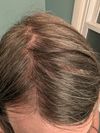
Young men are advised to delay hair transplants until after age 25, using finasteride, minoxidil, and dermarolling to manage hair loss. Concerns about unethical doctors highlight the need for careful planning.
A potential treatment for alopecia involving a protein that calms hair follicles has shown promise in rats, but skepticism remains about its applicability to humans. Many users express doubt about the timeline for effective hair loss treatments, comparing it to past unfulfilled promises.
Eli Lilly's drug baricitinib showed effectiveness in treating alopecia areata, with higher doses resulting in significant hair regrowth compared to placebo. The treatment is not for male pattern baldness.
Verteporfin may improve hair transplant outcomes and reduce scarring, potentially allowing patients to avoid finasteride. Dr. Barghouthi seeks collaborations, volunteers, and financial support for research on verteporfin.org.
18M experiencing hair loss, using finasteride and considering hair transplant. Replies suggest waiting, giving finasteride a year, and consulting a specialist.
The user experienced severe side effects from finasteride and is considering a hair transplant in Australia, specifically mentioning interest in the Knudsen clinic. Concerns were raised about post-surgery hair recession and the potential need for ongoing finasteride use to maintain results.
A 35-year-old MTF individual shared their hair recovery journey, using Minoxidil, Dutasteride, Estradiol, Spironolactone, Microneedling, and Exosomes. They recently had a hair transplant and are documenting the healing process.
The user experienced side effects from spironolactone and is seeking alternatives for androgenetic alopecia (AGA), considering saw palmetto but unsure of its effectiveness. They are also exploring the possibility of using topical spironolactone, despite availability challenges.
Kintor Pharma has started a Phase II trial in China for GT20029, a potential new treatment for hair loss. Participants are discussing the significance, potential release dates, and comparing it to other treatments and technologies like stem cell hair transplants and SAMIRNA.
The user is experiencing diffuse thinning and inflammation despite using 2.5mg dutasteride daily, ciclopirox, and ketoconazole shampoos. They are considering treatments like hydroxychloroquine and JAK inhibitors due to suspected scarring alopecia and have faced challenges in obtaining a scalp biopsy.
A user's father experienced hair regrowth and other health improvements after two IV exosome treatments. The user also had four rounds of exosome therapy, noting significant hair regrowth and relief from headaches, but no change in gray hair.
A user shared their 7-month progress after a hair transplant, using dutasteride and minoxidil to maintain native hair. The transplant was done in Juarez, Mexico, and the user noted that medication is still necessary to prevent further hair loss.
Verteporfin is being explored for hair regeneration, with unofficial trials and updates shared online. Efforts are being made to encourage more surgeons to trial verteporfin for donor hair regeneration.
A user is considering a hair transplant with Hasson & Wong but found alarming malpractice claims. Other users suggest researching other reputable surgeons like Dr. Zarev, Dr. Pittella, and Dr. Couto.
PP405 shows promise in hair loss treatment, but stem cell therapy using adipose-derived stem cells and ATP also successfully reversed androgenetic alopecia in mice. Stem cell therapy is costly, and some doubt the effectiveness of PP405 based on press releases.
A user shared a 10-month update on their hair transplant (HT), expressing significant confidence gain and recommending the procedure to others. They had the transplant in Turkey for $2300 and are very satisfied with the results.
A 22-year-old male uses dutasteride, a serum with 10% minoxidil and 0.5% finasteride, and microneedling for diffuse androgenetic alopecia. Progress pictures show changes from July 2025 to February 2026.
People are discussing creative ways to hide hair loss, such as using specific hairstyles and hair fibers. Some mention using medications like Minoxidil and finasteride to improve hair growth.
The conversation is about the effectiveness of alfatradiol for hair loss and whether it can be used with or as a replacement for common treatments like minoxidil, finasteride, and RU58841. The user is seeking feedback on others' experiences with alfatradiol.
PP405 and ABS-201 are promising treatments for male pattern baldness. PP405 shows rapid hair growth in human trials, while ABS-201 shows significant regrowth in animal studies but is still in early human trials.
The conversation discusses potential advancements in two hair loss drugs, KX-826 and GT20029, and the interest in whether transitioning from oral finasteride to these drugs would maintain hair growth. One reply expresses skepticism about the compounds' representation.
The conversation suggests waiting a few years before considering a hair transplant, as the current treatments (finasteride, oral minoxidil, PRP, and microneedling) may still yield results. Many recommend continuing with the current regimen and possibly adding dutasteride if necessary, while others advise against rushing into a transplant at 18.
A user underwent a 2,550 FUE hair transplant and started taking dutasteride 0.5mg. They previously tried RU58841, minoxidil, and microneedling but avoided finasteride and dutasteride due to side effects.
A 40-year-old considering a hair transplant after using finasteride and oral minoxidil for hair maintenance. They have maintained hair well with these treatments and seek opinions on whether a transplant would improve their appearance.
Stemson raised $15M for hair cloning, with hopes it becomes a reality in 10-20 years. Users are hopeful and discuss using Minoxidil and finasteride in the meantime.
The conversation is about whether stemoxydine can shorten the dormant phase after a hair transplant, known as the ugly duckling phase. There is skepticism about whether it actually works as claimed.
The conversation is about future hair loss treatments. Current treatments mentioned include finasteride, minoxidil, and RU58841, with potential future treatments like GT20029, TDM-105795, JW0061, and follicle cloning.
Hair transplants in Bangkok are praised for their natural appearance, with a zigzag hairline design being favored over straight lines. The clinic Hairtran and Dr. Patty receive positive feedback, though some users express skepticism about photo filters and the authenticity of results.
Kintor Pharma completed a successful Phase II clinical trial for KX-826, a treatment for androgenetic alopecia. KX-826 is similar to finasteride with minor side effects and is more backed than Cosmerna.