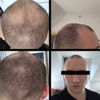
A 21-year-old male with a thyroid condition noticed his hair thinning uniformly without a receding hairline. He is considering using a 5ARI to prevent further baldness if he starts TRT.
The user is using a comprehensive hair loss prevention regimen including Dutasteride, RU58841, topical treatments, red light therapy, microneedling, and supplements like Nutrafol, while avoiding Minoxidil. They also supplement with vitamin D and zinc and plan to start testosterone replacement therapy (TRT) in January.
The user is using minoxidil, ketoconazole shampoo, oral finasteride, and microneedling for hair loss. They see progress but are concerned about continued hair shedding.
A user shared their aggressive hair loss treatment regimen, which includes daily use of Avodart (dutasteride) and Minoxidil, bi-weekly use of Davines Purifying shampoo, and almost daily use of Ducray Anaphase+ shampoo, along with supplements like vitamin D3, collagen, biotin, and zinc. They also use a dermastamp every 10 days and are considering a hair transplant for increased density, followed by a switch to finasteride and Minoxidil foam.
The user is using topical minoxidil and oral finasteride for hair regrowth, with plans for a future hair transplant. They are considering additional treatments like dermastamping and exploring options for dutasteride, which is unavailable in their country.
User's hair loss treatment progress includes 1 mg finasteride, 2.5 mg minoxidil tablets twice daily, microneedling 3 times a week, and Fungoral shampoo twice weekly. Good progress and minimal side effects reported.
The user experienced a receding hairline and tried minoxidil, which may have slowed the process but caused puffy eyes. They are hesitant to use finasteride and suspect oily dandruff might be an aggravator.
GT20029, a new hair loss treatment, shows promising results but only a slight improvement over placebo. People are cautiously optimistic, discussing its potential and combining it with existing treatments like Minoxidil and Finasteride.
A 28 year old using a hair loss prevention protocol to restore thinning hair, which includes finasteride, dutasteride, minoxidil, stemoxydine, alopecin, nizoral shampoo and microneedling; the user is now adding pyrilutamide solution to the regimen with the hope of improving their results. RU58841 was also ordered but not yet used.
The conversation discusses severe hair shedding and thinning, with the original poster using finasteride, oral minoxidil, and other supplements without improvement. The discussion highlights the possibility of telogen effluvium and the importance of addressing potential underlying health issues, such as stress and gut health, rather than assuming diffuse unpatterned alopecia (DUPA).
A 30-year-old is using dutasteride daily, ketoconazole shampoo twice a week, and started topical minoxidil and dermastamping six months ago for hair loss. The treatment has improved hair density, but significant hairline recession remains, and a hair transplant is suggested for further improvement.
Despite using finasteride, minoxidil, and RU58841, the user is experiencing slow hair loss, particularly at the hairline, and is considering additional treatments like microneedling and possibly switching to dutasteride. Concerns about medication side effects, such as reduced sperm count and performance anxiety, are also discussed.
A 21-year-old male diagnosed with telogen effluvium and male pattern baldness started taking finasteride, which initially slowed hair shedding and slightly thickened hair. The doctor recommended iron and vitamin D supplements, and the user is considering minoxidil but wants to stabilize shedding first.
A user shared a 17-month update on their hair loss treatment, which included a hair transplant of 2300 grafts, using a topical solution of minoxidil and finasteride, a laser cap, and ketoconazole shampoo. They are considering another transplant and seeking honest feedback on their progress, while others share their own experiences and advice on hair loss treatments.
The user is concerned about hair loss and is considering treatments like finasteride and minoxidil but is unsure about their effectiveness and side effects. They have experienced mixed reactions to shaving their head and are struggling with confidence due to balding.
A user's hair loss progress after 4 months of using a topical fin and min mix, with responses from other users about their experience with the same treatments.
A new hair loss treatment, PP405, is moving from phase 2A to 2B in clinical trials, sparking discussions about its potential to regrow dormant hairs and its impact on existing treatments like Minoxidil and finasteride. Some users express skepticism, while others are hopeful about its future effectiveness.
The user experienced side effects from daily 1 mg Finasteride and switched to 0.5 mg every other day, supplemented with creatine, tongkat ali, tribulus terrestris, vitamin D3, bromantane, l-tyrosine, and caffeine. They also use weekly 1.5 mm microneedling and daily 50 mg RU58841, except on microneedling days, to manage hair loss.
A 15-year-old is experiencing hair loss and is considering treatment options. They are aware they cannot use DHT blockers like finasteride due to their age and are exploring other causes like Telogen Effluvium.
The user plans to start a 12-month finasteride treatment to combat aggressive hair loss, with regular monitoring of thyroid levels, testosterone, DHT, liver enzymes, PSA, and iron levels. They seek advice on additional monitoring and aim to balance results with minimal side effects.
Hair growth success may be linked to addressing scalp fungi issues, with treatments like minoxidil, finasteride, and dutasteride being important. DHT may contribute to scalp microbial issues, potentially causing inflammation and hair loss.
The user is experiencing significant hair loss and has tried treatments like PRP therapy, topical and oral Minoxidil, Finasteride, and dietary changes, with limited success. They are concerned about losing more hair before a scheduled hair transplant and are advised to postpone the transplant to allow medications more time to work.
A 28-year-old male shares his hair loss journey, starting with a hair transplant in February 2024 and using finasteride, later switching to dutasteride in January 2025. He has not used minoxidil and is satisfied with the results, despite some side effects like temporary nipple pain and a spike in libido.
PP405 is a promising new hair loss treatment that may reactivate dormant hair follicles without side effects. It could surpass traditional treatments like minoxidil and finasteride if successful in further trials.
The user is using Minoxidil, Finasteride, Nizoral, Nutrafol supplements, and PRP sessions for hair loss treatment. They are concerned about the effectiveness of these treatments and whether they should continue or consider a hair transplant.
The user reports using finasteride, topical minoxidil, ketoconazole shampoo, and a dermaroller for hair loss. They notice more hair growth, but doubt full regrowth on the crown.
The user is using minoxidil, finasteride, ketoconazole shampoo, biotin, and omega-3 for hair loss treatment. They are concerned about progress, but responses suggest patience and addressing dandruff for better results.
The user is experiencing diffuse shedding but also hairline regrowth after starting finasteride, switching to dutasteride, and using oral minoxidil, ketoconazole shampoo, and RU58841. Other users advise patience, suggesting that the treatments need more time to show results and caution against using too many medications simultaneously.
The user has seen significant hair regrowth using topical minoxidil and dutasteride, with better results than finasteride alone. Despite concerns about hairline and temporal peaks, others believe a hair transplant is unnecessary due to the current hair condition.