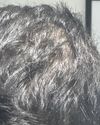
A 20-year-old is experiencing hair thinning and seeks advice on starting treatment and regrowing hair. They are considering using Minoxidil, finasteride, or RU58841.
A 21-year-old male has been experiencing persistent hair loss despite using treatments like dutasteride, finasteride, RU58841, minoxidil, and ketoconazole. Suggestions include checking for hormonal issues, nutritional deficiencies, or allergies, and consulting a doctor for professional advice.
A user noticed increased hair loss and was prescribed Betamethasone dipropionate 0.05% lotion by a dermatologist. Another user suggested changing doctors and asking for finasteride instead.
Finasteride can effectively slow or halt hair loss, even for those genetically predisposed to significant balding, like Norwood 6 or 7. Many users report long-term maintenance or improvement, often combining it with other treatments like Dutasteride or Minoxidil for better results.
The user is experiencing hair loss despite using dutasteride, minoxidil, and ketoconazole shampoo, and is concerned about continued shedding. Suggestions include checking for nutrient deficiencies, consulting a dermatologist, and considering other potential causes like seborrheic dermatitis or telogen effluvium.
The user has been using oral dutasteride and minoxidil for over a year without regrowth or stability, and hair loss continues. Suggestions include checking for inflammation, considering a scalp biopsy, and trying microneedling, topical anti-androgens, or a hair transplant.
A 25-year-old is frustrated with hair loss and inability to grow facial hair despite using oral finasteride and minoxidil for over a year. Suggestions include trying topical treatments, considering a hair system, or seeking professional help for mental health.
ET-02, a PAI-1 inhibitor, is not proven to be more effective than Minoxidil for hair loss. Other treatments like finasteride, dutasteride, PP405, and AMP-303 are also discussed, focusing on cellular senescence and oxidative stress.
DUPA is considered more treatable than FAPD, as FAPD involves scarring that prevents hair regrowth. The user has started treatment with oral dutasteride and minoxidil, hoping for better results than previous treatments.
The user experienced hair loss despite using Fin and Min for 12 years and switched to Dutasteride, RU58841, and Keto scalp serum, but shedding and itch persist. They are considering increasing Dutasteride to 2.5mg and questioning the necessity of a scalp biopsy, with mixed opinions on its usefulness.
Lichen Planopilaris (LPP) is an autoimmune condition causing permanent hair loss and fibrosis, often misdiagnosed. Treatments include pioglitazone, topical corticosteroids, anti-inflammatory medication, and Jak inhibitors.
The user discusses their long struggle with hair loss, considering various treatments like hair transplants, hair systems, and natural methods such as micro-needling, vitamin supplements, and a healthy lifestyle. They express concerns about side effects from drugs like finasteride and ultimately lean towards using a hair system for better appearance and confidence.
A person with hair loss since COVID-19 is considering treatments like finasteride and minoxidil but is hesitant due to potential side effects. Suggestions include visiting a dermatologist, using a ketoconazole shampoo, and considering that post-COVID hair loss might be an autoimmune response.
The conversation suggests that people should consult a dermatologist to understand their type of hair loss before starting treatments like finasteride or dutasteride, especially if they have autoimmune issues or low DHT. Some participants believe in starting treatment like finasteride immediately if hair loss is due to DHT, while others recommend ruling out other causes and considering minoxidil first, especially for younger individuals.
A user has been on finasteride for 6 months and feels their hair quality has worsened, experiencing more hair loss and scalp irritation. They are considering seeing a dermatologist, while others suggest the issue might be unrelated to finasteride, possibly due to deficiencies or other conditions.
A female user starting Spironolactone treatment for thinning hair, and others sharing their experiences with Minoxidil and oral/sublingual Minoxidil as treatments.
Potential treatments for hair loss, including Minoxidil, finasteride, RU58841 and various upcoming pharmaceuticals, gene editing and cloning. It is suggested that a cure, if found, would be highly profitable due to the large number of people affected by hair loss globally.
A 24 year old female experiencing rapid, unexplained hair loss over the course of two weeks and looking for advice. Treatments suggested include Rogaine, finasteride, minoxidil, RU58841, and seeing a dermatologist.
A user's experience with hair loss treatments such as finasteride, ketoconazole, and oral minoxidil that have not yielded any results; other users suggest shaving the head or getting a wig, while others offer additional advice such as seeing a dermatologist, checking thyroid levels, switching to dutasteride and adding needling, and trying stemoxydine.
A new study that found a single chemical could potentially be responsible for hair loss, and the potential to use this discovery to stimulate hair growth. The conversation also includes various treatments such as Minoxidil, Finasteride, RU58841, microneedling, DUT, and Botox for hair loss.
A 25-year-old woman has been losing hair for 10 years despite normal thyroid, hormone levels, and B12 supplementation. She has used Minoxidil with limited success and is considering hair transplants, Propecia, or shaving her head and wearing wigs.
A user is considering starting finasteride after quitting minoxidil due to scalp inflammation, despite ongoing hair shedding and a worsening crown area. Another user suggests taking finasteride in the morning to minimize focus on potential side effects like slightly decreased libido.
A user shared their successful hair regrowth using a combination of minoxidil, caffeine, biotin, and RU58841, along with weekly dermarolling. However, others advised against the user's plan to switch to rosemary oil and microneedling only, emphasizing the importance of continuing the current treatment to maintain the results.
A person struggling with hair loss is using treatments like dutasteride, oral minoxidil, and has had a hair transplant but remains deeply unhappy. Others suggest alternative treatments, acceptance, and focusing on other life aspects, emphasizing mental health and therapy.
PP405 is the most promising future treatment for hair loss, aiming to reactivate dormant hair follicles. Clascoterone 5% is the most promising near-term drug, while current strategies include using finasteride or dutasteride to stabilize hair loss and minoxidil to stimulate growth.
Genetics play a major role in hair loss, with some people keeping a full head of hair into old age without using treatments like minoxidil or finasteride. Many express frustration over their own hair loss and the perceived unfairness of genetic differences.
Finasteride, dutasteride, and minoxidil are discussed as treatments for male pattern baldness. Finasteride and dutasteride are effective DHT blockers, while minoxidil is necessary for regrowth but must be used consistently.
Hair loss treatments, including PP405, minoxidil, finasteride, and RU58841, with hopes for future solutions. Participants discuss the emotional impact of hair loss and consider alternatives like hair transplants or acceptance.
The user experienced hair regrowth with dutasteride but later lost progress despite using minoxidil foam and dermastamping. Suggestions included reducing dermastamping frequency, conducting blood tests, and considering oral minoxidil or different brands of dutasteride.
The user plans to stop finasteride after three months, believing hair loss isn't due to DHT, and will continue with oral minoxidil, microneedling, and ketoconazole shampoo. They suspect stress and poor nutrition are the main causes and seek opinions on DHT blockers' effectiveness.