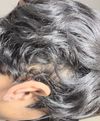
Minoxidil and finasteride have not improved the user's hairline after a year. Suggestions include trying dutasteride, microneedling, or considering a hair transplant for better results.
A person is struggling with hair loss despite using finasteride and minoxidil, considering dutasteride and magnesium supplements. They are advised to be patient, consider a hair transplant, and check for thyroid issues.
A 19-year-old male has been using finasteride and minoxidil for nearly two years but continues to experience hairline recession. He is considering switching to dutasteride and exploring options like hair systems and potential future hair transplants.
Hair follicles can be dormant and potentially revived with treatments like finasteride and minoxidil, but irreversible loss occurs if certain structures are destroyed. Early intervention is more effective, and additional methods like microneedling may help.
The user is disappointed with their hair loss treatment results using Minoxidil, dermastamping, and ketoconazole shampoo. They are advised to add Finasteride or Dutasteride to block DHT for better results.
The user shared progress pictures after using finasteride and minoxidil for hair loss over four years. Responses vary, with some seeing stabilization or slight improvement, and others noticing a small amount of hair loss.
A 25-year-old with AGA experienced hair thinning and dandruff, stabilized with topical finasteride and minoxidil but saw minimal regrowth. They seek advice on styling and consider oral minoxidil and microneedling for denser hair.
Treatments for hair loss, including the experiences of topical finasteride and oral dutasteride. It also discusses Pyrilutamide, 0.025% topical concentration, Minoxidil, RU58841, and 1% finasteride gel dosage.
New potential hair loss treatment uses molecules from hairy moles to stimulate follicle growth. Topical solution requires less frequent application, like Botox injections a few times per year.
A user with alopecia totalis, borderline universalis, seeks advice on getting into a Xeljanz trial or appealing insurance for coverage. They experienced significant hair regrowth but are now seeing hair loss again and want to try Xeljanz.
A 19-year-old male has been using topical finasteride and minoxidil for 8 months with no progress and is considering seeking a second opinion due to potential misdiagnosis. The discussion revolves around whether the hair loss is due to male pattern baldness, alopeciaareata, or a vitamin deficiency.
A user with alopeciaareata is considering treatment options like injections or Olumiant but is concerned about cost and whether delaying treatment will lead to permanent hair loss. They are seeking alternative treatments that are more affordable for a college student.
Onion juice, when applied topically, is an effective treatment for AlopeciaAreata, showing significant hair regrowth in both males and females. The study suggests it could be interesting to test its effectiveness on Androgenic Alopecia.
Nearly 40% of adults with alopeciaareata achieved at least 80% scalp hair coverage after 52 weeks of taking OLUMIANT® 4-mg. The conversation distinguishes this success from androgenetic alopecia, which is a different type of hair loss.
A 33-year-old female with androgenic alopecia experienced alopeciaareata patches after PRP treatment. She is seeking others' experiences with PRP worsening alopeciaareata.
Essential oils like rosemary, thyme, lavender, and cedar wood in a carrier oil may effectively treat alopeciaareata and potentially male pattern baldness by stimulating the scalp similarly to minoxidil. The user plans to try this routine and share results.
The user has been using topical minoxidil 5% for five and a half months, multivitamins with zinc for three months, and triamcinolone for almost two weeks to address hair loss. They are considering starting finasteride at age 18 and are unsure about hair regrowth progress.
A user diagnosed with AlopeciaAreata started using Litfulo (ritlecitinib), kenalog shots, and mometasone furoate 0.1%. They shaved their head and are seeking others' experiences with Litfulo.
Baricitinib, approved for alopeciaareata, might be considered for treating receding hairlines. The discussion is about the possibility of an over-the-counter topical version for androgenic alopecia.
A user is seeking recommendations for a dermatologist in Houston specializing in alopeciaareata for her daughter. A doctor actively researching alopeciaareata in young people was suggested.
The user is experiencing hair loss with possible causes including chronic telogen effluvium, diffuse alopeciaareata, and androgenic alopecia. They have tried treatments like Nizoral shampoo, minoxidil, and finasteride, and are considering a biopsy for further clarity.
The user is experiencing severe hair loss after surgery and stress, with thinning all over the head, including the sides and neck. They are unsure if it's due to DUPA or alopeciaareata incognita, and doctors have not observed miniaturization.
The user is treating alopeciaareata with 1.25mg oral minoxidil daily and topical mometasone furoate, considering increasing the dose or adding finasteride, though finasteride is not typically used for this condition. A gluten-free diet is suggested, and alternatives like Olumiant are mentioned.
A person with AlopeciaAreata on their beard is using CB-03-01 and oral minoxidil for treatment. Some users question the effectiveness of CB-03-01 for beard hair, suggesting that minoxidil alone may be responsible for any observed hair growth.
A 50-year-old Black woman with alopeciaareata and traction alopecia is seeking a science-based hair loss routine. Current treatments include spearmint tea for DHT levels and considering PRP.
Eli Lilly's drug baricitinib showed effectiveness in treating alopeciaareata, with higher doses resulting in significant hair regrowth compared to placebo. The treatment is not for male pattern baldness.
A 25-year-old discusses using castor oil combined with minoxidil for alopeciaareata after noticing hair loss. They seek advice on the effectiveness of this treatment.
Topical Vitamin D3 may stimulate hair growth and has been used for AlopeciaAreata. There is a question about the lack of research on its use for Androgenetic Alopecia (AGA).
Topical Calcipotriol (vitamin D derivative) may help with hair regrowth, especially for alopeciaareata. The user wonders if adding classic vitamin D to lotions like Minoxidil could have a similar effect.