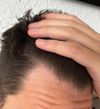
Hair regrowth progress using finasteride, minoxidil, and dermarolling. Visible improvements started around month 6, with initial shedding from minoxidil.
A 29-year-old man regained his hairline using a consistent routine of topical minoxidil and finasteride, along with pumpkin seed oil, despite experiencing side effects like low libido and ED. He emphasizes the importance of consistency and is satisfied with his progress, choosing to avoid oral treatments due to potential side effects.
The user is experiencing hair thinning and bald spots, using Nizoral, rosemary oil, fluocinolone, and receiving PRP treatments. They are considering oral minoxidil and finasteride but are hesitant due to age and financial constraints.
The user has been using finasteride daily, scalp massages, micro-needling, and Nizoral shampoo for hair loss, with noticeable progress after 9 months. They are considering adding minoxidil but are hesitant due to concerns about long-term commitment.
The user experienced hair loss since 2019 and tried finasteride, dutasteride, RU58841, and ketoconazole shampoo without success. A scalp biopsy showed scarring and inflammation from folliculitis, indicating chronic inflammation was affecting treatment effectiveness.
To maintain hair regrowth, users suggest parting the hair to apply treatments like minoxidil and finasteride directly to the scalp. Consistent application is necessary to prevent hair loss from returning.
The user started oral minoxidil and finasteride two months after a hair transplant and plans to switch to dutasteride, using Nizoral and Mossi shampoos. They are considering a second transplant in Tijuana and using hair fibers and mousse for styling while waiting for medication effects.
The user experienced significant hair regrowth using oral finasteride, minoxidil twice daily, ketoconazole shampoo, and microneedling, despite heavy shedding. They stopped using topical finasteride due to discomfort and maintained progress with their current routine.
Diffuse thinning can result in varied regrowth, with some users experiencing better results at the hairline and others at the crown. Treatments mentioned include finasteride, minoxidil (oral and topical), RU58841, microneedling, and dermarolling.
The user experienced significant hair regrowth after switching to oral finasteride and minoxidil in February 2025. They plan to stop using topical minoxidil gradually and have not experienced significant side effects from the treatment.
A user diagnosed with Crohn's disease is concerned it might contribute to balding. They have been using keto shampoo, finasteride, and oral minoxidil, which improved their hair but not significantly.
Stopping minoxidil can lead to significant hair loss, but resuming it along with finasteride can help regain lost hair over time. Consistency is key for maintaining hair health and regrowth.
The user experienced significant hair regrowth using finasteride, minoxidil, and microneedling but later faced rapid thinning despite consistent treatment. They plan to switch from finasteride to dutasteride and consider oral minoxidil if the situation doesn't improve.
A 30-year-old man shares his successful hair loss protocol, which includes finasteride, Nizoral shampoo, low-level laser therapy, microneedling, and past use of oral minoxidil. He plans to consider dutasteride and possibly hair transplants in the future, while advising caution with crown transplants before age 35.
A 22-year-old male has been experiencing widespread hair loss for over four years, including pain and significant shedding. Treatments tried include ketoconazole shampoo, fluocinonide topical solution, biotin, ACV, and dry shampoo, but none have been effective.
The user experienced significant hair regrowth using finasteride and topical minoxidil but faced a setback with a second hair shedding. They switched to oral minoxidil and reported about 80% recovery of their previous gains after six months.
The user experienced significant hair regrowth using a regimen of 1 mg finasteride daily, minoxidil twice daily, ketoconazole shampoo weekly, dermastamping weekly, and tretinoin. They reported no side effects and emphasized the importance of committing to the treatment.
Hair loss has slowed, but uneven growth and kinking persist despite using keto/nizoral shampoo and clotrimazole. Stress and anxiety might be contributing factors.
The user experienced significant hairline improvement after 2 months using 1 mg Finasteride and topical Minoxidil, with only initial shedding as a side effect. The progress is notable, with the user returning from near Norwood 2 to Norwood 1, and they use Rogaine for topical application.
The user is using ketoconazole shampoo, 5% minoxidil, and microneedling for hair loss treatment. It's suggested that adding a DHT suppressant like finasteride could improve results.
The user is experiencing hair loss and has been using RU58841 but is considering pyrilutamide and minoxidil, avoiding finasteride due to side effects. Another user suggests finasteride or dutasteride as essential, possibly in topical form, while dismissing saw palmetto as ineffective.
A 45-year-old with NW class 6 baldness reports unexpected hair regrowth without a transplant after starting a new treatment in Lahore, Pakistan. Previous treatments with Minoxidil and Finasteride showed no progress, but the new specialist's approach is yielding results.
The user noticed hair loss in 2021, used finasteride and minoxidil for six months, then stopped due to unrelated health issues. They are considering resuming treatment as others suggest it could reverse hair loss, but they are also open to accepting the gradual loss.
The conversation discusses hair loss treatments, with users suggesting the use of finasteride daily, considering minoxidil for aggressive hair loss, and discussing the normalcy of shedding during treatment. Some users recommend adding Nizoral shampoo and switching to dutasteride for better results.
The user experienced significant hair regrowth after using finasteride, minoxidil, and derma stamping, despite an initial heavy shedding phase. They also take omega-3, zinc, biotin, and folic acid daily, and report improved confidence and hair strength.
Hair follicles usually go dormant rather than die, and treatments like finasteride, minoxidil, and hormone therapy can sometimes reactivate them, though results vary. Complete regrowth is rare, especially in long-term bald areas, but some individuals see significant improvement with these treatments.
A user shared their hair loss journey, showing improvement after starting finasteride, dutasteride, minoxidil 5%, and microneedling. They are curious about their degree of baldness and why their hair has thinned.
OP switched from finasteride to dutasteride due to hair loss, but after 5 months, they are experiencing diffuse thinning and scalp issues. They are considering additional treatments like RU58841 and are using minoxidil, essential oils, and keto shampoo to manage symptoms.
Accutane use led to hair loss and seborrheic dermatitis for many, with treatments like dutasteride, minoxidil, and Nutrafol being used to manage symptoms. Some users reported improvement, while others experienced persistent issues or side effects from treatments like finasteride.
A 30-year-old started hair loss treatment in September 2022 with oral Minoxidil and Finasteride, then switched to a spray version in June 2023. They also improved their diet, exercised, used biotin shampoo daily, and micro needled weekly, resulting in noticeable hair regrowth.