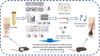
A male in his early 20s with CCCA (scarring alopecia) started treatment with Finasteride, Fluocinolone, and Doxycycline. Steroid injections were suggested but not yet done.
The review discusses traditional hair loss treatments like minoxidil and finasteride, and newer options like Low-Level Laser Therapy, microneedling, and platelet-rich plasma for androgenetic alopecia. It highlights the need for more high-quality trials to assess these treatments' effectiveness and standardized protocols for emerging therapies.
User discussed hair loss treatments like Minoxidil, Finasteride, RU58841, and microneedling. They talked about side effects, effectiveness, and their current plan using low-dosage Finasteride and Dutasteride.
The conversation discusses treating male pattern baldness with topical products containing Saw Palmetto extract. Specific treatments mentioned include Minoxidil, Finasteride, and RU58841.
Evidence-based treatments for androgenic alopecia, such as minoxidil, finasteride, low-level laser light therapy, dutasteride, platelet-rich plasma, and topical ketoconazole. It discusses the efficacy, safety, and mechanism of action of these treatments, as well as future developments in understanding this polygenic condition.
Male androgenetic alopecia is commonly treated with topical minoxidil and oral finasteride, both requiring continuous use. Other options include hair restoration surgery, dutasteride, light therapy, and camouflaging agents.
Onion juice, when applied topically, is an effective treatment for Alopecia Areata, showing significant hair regrowth in both males and females. The study suggests it could be interesting to test its effectiveness on Androgenic Alopecia.
The conversation is about a person experiencing treatment-resistant androgenic alopecia despite using high doses of dutasteride and minoxidil, along with other treatments like microneedling and purilutamide. Suggestions include considering a hair transplant, checking medication authenticity, and exploring other treatments like RU58841 or topical estradiol.
Fucoidan may help regrow hair and reduce inflammation in androgenetic alopecia. It is unclear if simply mixing fucoidan powder into a serum for application is effective.
The conversation discusses treatments for Androgenetic Alopecia, including Minoxidil, finasteride, RU58841, and topical caffeine. It emphasizes that there are multiple treatment options available in 2025.
Melatonin is being considered as a potential treatment for androgenic alopecia, with some users discussing its effects and combining it with other treatments like minoxidil and finasteride. Concerns about melatonin's impact on hormones and side effects from other treatments like ketoconazole were also discussed.
A female with PCOS and androgenetic alopecia is starting treatment with oral Minoxidil, topical Minoxidil 5% with finasteride, and plans to add mesotherapy. She previously tried anti-androgenic contraceptive pills but couldn't tolerate them and is using Myo Inositol for weight management.
Essential oils like rosemary, thyme, lavender, and cedar wood in a carrier oil may effectively treat alopecia areata and potentially male pattern baldness by stimulating the scalp similarly to minoxidil. The user plans to try this routine and share results.
Triple Hair Inc. developed a new topical treatment, TH07, combining Finasteride, Latanoprost, and Minoxidil for androgenic alopecia. Users discussed its effectiveness compared to other treatments and shared their own product combinations.
ET-02 showed significant hair growth in five weeks, outperforming minoxidil, with a non-hormonal mechanism that avoids side effects of treatments like finasteride. A phase 2 trial is planned to further assess ET-02's efficacy and safety.
Treatments for hair loss, such as topical minoxidil, platelet-rich plasma therapy with or without minoxidil, ketoconazole, non-abative radio frequency, natural products, finasteride and cortexolone 17 alpha propionate. The post evaluates the efficacy and safety of these treatments in various studies.
Cetirizine 1% cream significantly improves hair growth and thickness in men with androgenic alopecia. It is considered effective, affordable, and has a low side effect profile.
A user shared a 9-month hair recovery journey from androgenic alopecia using 1 mg finasteride daily, 5% minoxidil twice daily, and weekly dermarolling with a 1.5 mm roller. Some responders were skeptical about the authenticity of the results, while others confirmed the consistency of the user's appearance and supported the effectiveness of the treatment.
N-Acetyl-Cysteine (NAC) was found to improve hair parameters in men with early-onset androgenetic alopecia, showing increased terminal hair count and decreased vellus hair count, with good tolerability. NAC, used alone or with minoxidil, may help due to its antioxidant properties, though its effectiveness can vary among individuals.
Oral minoxidil is considered a safe and effective treatment for hair loss at low dosages, with minimal cardiac risks. Users report positive results, though some experience side effects like increased heart rate and skin changes, and consulting a doctor is advised.
Microneedling combined with 5% Minoxidil and finasteride significantly improves hair growth compared to using Minoxidil or Minoxidil with finasteride alone. The combination treatment is safe and effective, but further research is needed due to small sample size and short study duration.
Kintor Pharma completed patient enrollment for a Phase II trial in China for GT20029, a potential new treatment for hair loss. Some believe GT20029 could replace finasteride if effective, while others discuss finasteride's limited efficacy and potential underreported side effects.
Kintor Pharma completed a successful Phase II clinical trial for KX-826, a treatment for androgenetic alopecia. KX-826 is similar to finasteride with minor side effects and is more backed than Cosmerna.
Kintor Pharma announced successful Phase II trial results for KX-826 in treating hair loss, showing it's comparable to finasteride and can be used with it. Some participants saw a 10 hair/cm^2 increase, which is considered a good outcome at the low dose used.
Kintor Pharma has started a Phase II trial in China for GT20029, a potential new treatment for hair loss. Participants are discussing the significance, potential release dates, and comparing it to other treatments and technologies like stem cell hair transplants and SAMIRNA.
Kintor Pharma completed enrolling subjects for a Phase III trial of KX-826 for male hair loss treatment. The trial includes a 24-week treatment period and a 4-week safety follow-up, with results expected in about 6-7 months.
2-deoxy-D-ribose, a sugar molecule, is found to be 80%-90% as effective as Minoxidil in promoting hair growth, showing potential for alopeciatreatment. Concerns include high cost, lack of human studies, and possible side effects like diarrhea and nausea.
The treatment for androgenetic alopecia involves using finasteride and minoxidil with intense exercise and cold exposure to boost metabolism and reduce androgenic effects, potentially leading to hair regrowth. This approach may activate biological pathways for improved hair and overall health.
The conversation discusses androgenetic alopecia (AGA) and questions why treatments focus on lowering DHT levels instead of building resistance to it. It also touches on hair transplantation techniques using body hair.