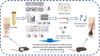
Using Megatek with minoxidil significantly increases hair growth, especially vellus hairs, but is less effective alone. Biotin and ketoconazole shampoo are also used to support hair health.
Increased scalp itching during shedding phases while on finasteride treatment may coincide with hair regrowth and recovery. This suggests that itching might not always indicate continued hair loss and could encourage persistence with the treatment.
A 23-year-old experiencing diffuse hair thinning has chosen a treatment stack including topical finasteride, a blend of rosemary, peppermint, and pumpkin seed oils, procyanidine B2 spray, ketoconazole shampoo, and scalp massages. They avoid minoxidil due to family history of side effects and oral finasteride due to high estrogen levels.
GT20029 is a new hair loss treatment in Phase 3 trials in China, using PROTAC technology to target androgen receptors, potentially with fewer side effects than finasteride and minoxidil. VDPHL01, a second-generation minoxidil, is also mentioned as potentially more effective.
A 28-year-old is using 1mg oral finasteride, 2.5mg oral minoxidil daily, and keto shampoo weekly for hair loss. They report thicker, healthier hair, especially at the crown, with most progress in the last month after initial shedding.
The user started using minoxidil foam daily after two years on finasteride and is managing seborrheic dermatitis with antifungal shampoo. They seek advice on moisturizing products that won't worsen their condition, with suggestions including gentle shampoos and light ceramide serums.
Abyssinian oil, argan oil, and Batana oil are being discussed for their potential effectiveness in hair growth. The conversation questions whether these oils are beneficial or a scam.
User losing hair for 3 years tried shampoos, minoxidil, derma rolling, finasteride, and Adegen's 15% minoxidil protocol without success. Another user suggests lowering finasteride dosage and trying topical non-steroidal anti-androgens like Fluridil, RU58841, and Breezula.
PP405 shows promising results for hair growth, potentially outperforming finasteride without side effects like erectile dysfunction. Users discuss using treatments like minoxidil, pyrilutamide, nizoral, and alfatradiol while waiting for PP405's availability.
The user experienced eyebrow hair loss and tried various treatments, including Minoxidil, a Capsaicin-based product, Latanoprost, Bimatoprost, Castor Oil, and Travoprost. Despite initial setbacks and a brutal shedding phase, they eventually saw positive results with Travoprost, encouraging others not to give up on treatments.
A 22-year-old male shared his one-year progress using dutasteride, minoxidil, and ketoconazole shampoo for hair regrowth, showing significant improvement. Users discussed the effectiveness of these treatments, with some confusion about ketamine, and shared their own experiences and questions about dosages and side effects.
The user shared their positive experience with hair loss treatment using 1mg finasteride, 0.5mg minoxidil, vitamins, ketoconazole shampoo, and a thickening shampoo, noting significant progress and minimal side effects. They emphasized the importance of trying treatments despite initial shedding and shared their routine for managing frizzy hair.
The conversation discusses using a combination of DHT gel, dutasteride, pyrilutamide, and minoxidil to promote beard growth while minimizing hair loss. Users suggest consulting a doctor and considering genetic factors before proceeding.
The user experienced reduced hair shedding after using Equate brand minoxidil, along with a regimen including collagen shampoo, fish oil, biotin, gym workouts, and sauna sessions. They reported seeing positive results after 40 days.
OP shared a 100-day progress on reducing hair shedding using Minoxidil and Dorpang scalp serum, noting healthier hair growth. Other users discussed their own treatments, including Minoxidil, ketoconazole, saw palmetto, and pumpkin seed oil, with some considering finasteride if needed.
The post and conversation are about a user's successful regrowth of hair using topical minoxidil and rosemary shampoo. Other users discuss the potential limitations of minoxidil and recommend using finasteride to maintain hair growth.
The conversation discusses using Minoxidil with Tretinoin and Fexofenadine for hair loss. Some users doubt its effectiveness, noting Fexofenadine's unproven results for androgenetic alopecia.
A user discusses using topical dutasteride 0.025% once a week for hair maintenance, alongside fortified minoxidil, RU58841, and Reviv Hair Serum. They seek feedback on the effectiveness of this regimen.
Clascoterone is a topical treatment for androgenetic alopecia, showing modest to moderate hair regrowth, and may be available by 2027-2028. It is considered safer than finasteride, with discussions on its effectiveness compared to RU58841 and pyrilutamide.
The conversation is about finding non-alcoholic minoxidil options in India due to irritation from propylene glycol-based formulations. Suggestions include Tugain 5% foam, Morr Max 5%, minoxidil gel, and Morr F Aqua plus, with OP avoiding finasteride due to side effects.
Fucoidan may help regrow hair and reduce inflammation in androgenetic alopecia. It is unclear if simply mixing fucoidan powder into a serum for application is effective.
Topical antihistamine creams, like diphenhydramine, are being considered for scalp inflammation and itchiness as an adjunct to standard hair loss treatments like minoxidil and finasteride. The user is cautious about oral antihistamines due to potential side effects and is exploring topical options.
The user is experiencing severe hair shedding while on finasteride and plans to start using ketoconazole shampoo to address a greasy, waxy scalp buildup. They are seeking additional advice for managing hair loss.
User tried various hair loss treatments with limited success. RU58841 was effective but caused side effects, now trying Eucapil and continuing Finasteride.
Exosomes, cetirizine, melatonin, latanoprost, and caffeine are discussed as potential hair loss treatments. There is skepticism about the effectiveness of exosomes, especially in topical form, but some users report positive results.
The user is experiencing chronic folliculitis with scalp sores and is concerned about a receding hairline. They have tried various treatments including antibiotics, Nizoral 2% shampoo, and lifestyle changes, but are seeking further advice.
The conversation discusses Shiseido's RepliCel Hair-01 technology for hair regeneration, which aims to stop hair loss with minimal regrowth. Treatments mentioned include Minoxidil, finasteride, and RU58841.
A 19-year-old female with Diffuse Alopecia was advised by a dermatologist to use vitamin supplements, a hair serum, and antifungal drops, leading to some improvement. Other users suggested treatments like minoxidil, microneedling, and consulting a different dermatologist for further advice.
The conversation is about applying 2% Ketoconazole to the scalp for hair loss treatment. It suggests using conditioner afterward due to its drying effect.
A user with diffuse thinning alopecia uses a custom full cap wig for an active lifestyle, costing $450 and lasting about 10 months. They share their positive experience with the wig as an alternative for those for whom treatments like Minoxidil, finasteride, or RU58841 don't work.