Finasteride may cause sleep disturbances, with some users experiencing insomnia. Reducing the dosage, switching brands, or trying Dutasteride might help.
Dutasteride once a week may be a cost-effective alternative to daily finasteride for reducing DHT levels, with potential benefits for those seeking a lighter approach to hair loss treatment. Some users combine dutasteride with finasteride, minoxidil, and dermarolling for improved results.
The group buy for CB-03-01, a topical anti-androgen for hair loss, was postponed and refunded due to issues with the product's form and solubility. The product, also known as Breezula, is an alternative to finasteride with fewer side effects, but its official release is delayed until 2021.
For hair loss, start with Finasteride, Minoxidil, Ketoconazole shampoo, and Microneedling. For severe cases, consider Dutasteride, oral Minoxidil, or hair transplants.
Some people have side effects from finasteride and dutasteride due to hormonal predisposition, especially if DHT dominant. Alternatives like RU58841, Pyrilutamide, and Breezula are suggested to target scalp androgen receptors without altering overall hormones.
User shared progress pictures after 9 months of using minoxidil, finasteride, spironolactone, and estradiol for hair loss. Significant regrowth was noted, especially after starting estradiol.
A 31-year-old man, between Norwood 4 and 5, is considering hair loss treatments like finasteride and minoxidil but is concerned about side effects. He is exploring options with doctors and considering a hair transplant, noting that some clinics require medication before and after the procedure.
The conversation is about the effectiveness of Dutasteride (Dut) and Minoxidil (Min) in reversing hair thinning. The user has been using Dut for 3 months and Min for a couple of years, and while hair fall has reduced, thinning continues. Other users suggest that Dut can reverse hair thinning over time, possibly beyond a year, and the outcome depends on individual body reactions and the degree of hair miniaturization.
Procapil is marketed as a natural hair loss treatment but lacks strong evidence and is industry-biased. Minoxidil and Finasteride are the only FDA-approved treatments for androgenetic alopecia.
A user's success in hair regrowth after taking oral and topical medications, such as minoxidil and dutasteride, and using microneedling. Other users shared their experiences and advice with treatments used to reverse hair loss.
The conversation discusses the impact of hair loss treatments like dutasteride and finasteride, with some users expressing skepticism about media claims linking these drugs to severe side effects like suicidal ideation. Many participants criticize the media, particularly British tabloids, for fearmongering and emphasize the psychological impact of hair loss itself.
The conversation discusses the effectiveness of finasteride and dutasteride in treating hair loss, emphasizing that significant results often take 12-18 months or more. Dutasteride is generally considered superior, with similar or fewer side effects than finasteride, but patience is required for noticeable improvement.
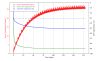
Hair loss treatments, specifically, discussing the effectiveness and side effects of finasteride, minoxidil, and RU58841 in various microdoses. It also includes an updated graph which provides information on how different doses affect DHT levels, scalp skin and serum androgen levels, as well as hair count.
Dutasteride is often preferred over finasteride for hair loss due to its stronger DHT blocking, leading to better hair regrowth for some users. However, it can cause side effects like brain fog, libido changes, and mood issues, prompting some to switch back to finasteride or adjust their dosage.
A user shared a 4-month update on their hair regrowth progress using finasteride, minoxidil, a dermaroller, ketoconazole shampoo, multivitamins, and biotin, and received positive reactions and inquiries from others. They also mentioned lifestyle changes such as quitting creatine, alcohol, and smoking, which may have contributed to their success.
Minoxidil can effectively promote hair regrowth with consistent use, but results differ among individuals. Some recommend combining it with finasteride for better long-term results, though OP chooses to use only minoxidil and accepts the possibility of going bald.
Finasteride and dutasteride can prevent hair loss if used early, but they may cause side effects. Many men shave their heads because they are unaware of these treatments or avoid them due to side effects or cost.
The user has been taking 1mg finasteride daily for a year with no improvement in hair loss and reports low cortisol levels, sleep issues, and anxiety changes. The conversation includes discussions on the potential effects of finasteride on cortisol and neurosteroids, with suggestions to consult a doctor and consider other factors.
Dutasteride is likely the most effective treatment for male pattern baldness, followed by finasteride and minoxidil in various forms and dosages. Users discuss personal experiences, dosages, and potential side effects, with some considering combining treatments for better results.
The user "Zealousideal-Pack340" shared their 5-month results on a natural hair loss treatment protocol, which included massages, vitamins, green tea, and pumpkin seeds. Some users suggested using medications like finasteride and minoxidil for better results, while others criticized the effectiveness of natural remedies. Overall, there was no clear consensus on the progress of the user's hair regrowth.
Rosemary essential oil, particularly cineole, is considered by some to be beneficial for hair growth, though its effectiveness compared to minoxidil is debated. Finasteride, minoxidil, and ketoconazole shampoo are recommended treatments, while oils like rosemary and peppermint are seen as supplementary for scalp health.
Switching from finasteride to dutasteride may be more effective for hair regrowth due to dutasteride's stronger enzyme inhibition, but combining both drugs could enhance results. Some users report better outcomes with dutasteride, while others recommend a gradual transition to prevent potential hair loss.
The conversation discusses whether to use finasteride for hair loss, considering its role in inhibiting DHT and 5AR, which can affect brain function and mood. Some users report anxiety and depression from finasteride, while others do not experience these side effects and emphasize the importance of DHT for brain and prostate health.
A 30-year-old male experienced significant hair regrowth after five months of using topical minoxidil (5% foam) and oral dutasteride (0.5 mg daily). The user reported no side effects and was grateful for the progress, despite the rapid gains slowing down.
A Dutasteride Simulator predicts serum dutasteride, serum DHT, and scalp DHT levels using models from research papers. It simulates various dosing schedules to determine steady-state effects and visualizes outcomes, including hair growth-related scalp DHT suppression.
Testosterone within the normal range does not significantly contribute to male pattern baldness (MPB); DHT is the main factor that can be controlled. Genetics play a crucial role in hair loss, and treatments like finasteride and dutasteride, which block DHT, can help despite potentially raising testosterone levels.
The conversation discusses the link between seborrheic dermatitis, acne, and male pattern baldness, suggesting that DHT may cause both skin conditions and hair loss. Treatments mentioned include RU58841, finasteride, dutasteride, minoxidil, Nizoral shampoo, and other topical anti-androgens.
The conversation discusses using Vitamin E, Minoxidil, finasteride, and RU58841 for hair loss treatment. The link provided offers more information on the benefits of Vitamin E for hair loss.
The user is concerned about high DHT levels despite using finasteride and dutasteride for hair loss, suggesting these treatments may not be effective. They plan to consult an endocrinologist and consider other antiandrogens, acknowledging potential side effects.