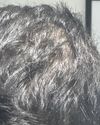
A user's experience with microneedling monotherapy and potential treatments such as finasteride, minoxidil, Stemoxydine, rosemary oil, peppermint oil, and RU58841 for reversing hair loss.
A user who is trying alternative treatments, such as mucuna pruriens dissolved in water/alcohol and a blend of jojoba oil, rosemary oil, and peppermint oil, for hair loss. Other users have shared anecdotal evidence, discussed the potential effectiveness of certain treatments, and questioned the time sensitivity of experimenting with new treatments.
Pyrilutimide, a treatment for hair loss; it's effectiveness compared to other treatments such as Finasteride and RU58841; and some users’ experiences with the treatment.
A YouTuber named Kevin, also known as Rider_Of_Roach, who deleted his YouTube channel due to personal attacks and controversy surrounding his views on hair loss treatments. He advocated for FDA-approved treatments like finasteride and minoxidil but faced backlash from those who disagreed with him. The conversation also discusses his past trolling behavior and a lawsuit he filed against a website that published false information about him. Despite some disagreements, many viewers appreciated his research-based content and hope to see him return in the future.
Hair loss theory suggests imbalance between Vitamin D Receptor (VDR) and Androgen Receptor (AR) activation. Proposed treatment includes upregulating VDR, downregulating AR, and improving mitochondrial health.
A double-blind clinical study that found ingestion of tocotrienols resulted in a 34.5% increase in hair regrowth compared to the placebo group, and discussion about potential side effects and cost of supplementation with vitamin E pills. The conversation noted that it may be more effective than commonly used treatments like minoxidil and finasteride.
The effects of Finasteride, a drug used to treat hair loss, prostate problems and other conditions. The post by iaskedadoctor describes the conversations they had with a Urologist about the effects of the drug on DHT levels throughout the body, how lower doses are beneficial in reducing side effects, how erectile dysfunction can be psychological as well as physiological, how morning erections are not necessarily important, and how persistent side effects appear to be rare. People also shared their experiences with taking Finasteride for hair loss, including potential side effects such as reduced ejaculate force and development of man boobs.
The group buy for CB-03-01, a topical anti-androgen for hair loss, was postponed and refunded due to issues with the product's form and solubility. The product, also known as Breezula, is an alternative to finasteride with fewer side effects, but its official release is delayed until 2021.
Finasteride is a controversial hair loss treatment, with some users experiencing positive results and others facing side effects like erectile dysfunction. The discussion emphasizes the importance of personal choice and informed decision-making.
A person shared their hair regrowth journey using HIMS topical treatments with finasteride, minoxidil, hormone replacement therapy (HRT), and microneedling. They also discussed their transition as a transgender woman and the positive impact of HRT on hair recovery.
Topical dutasteride is more effective than finasteride for hair loss but lacks FDA approval and research, leading to less use. Users report varying effectiveness and side effects, with some preferring oral treatments.
The user has been using finasteride for six years and minoxidil for three years with no noticeable hair regrowth. Suggestions include switching to dutasteride, considering a hair transplant, and trying microneedling.
The user is considering stopping finasteride due to depression, anxiety, and difficulty building muscle, despite its effectiveness in stopping hair loss. Suggestions include reducing the dose, switching to topical solutions, or consulting a doctor for alternatives like dutasteride or RU58841.
PP405 is anticipated as a future treatment for dormant hair follicles, but its effectiveness and safety are uncertain. Current treatments include oral minoxidil and microneedling, with some avoiding finasteride due to side effects.
A 20-year-old is experiencing hair thinning and seeks advice on starting treatment and regrowing hair. They are considering using Minoxidil, finasteride, or RU58841.
Creatine may counteract minoxidil's hair growth effects by closing potassium ATP channels, potentially leading to hair loss in predisposed individuals. Despite anecdotal reports, there is no conclusive evidence linking creatine to hair loss.
Finasteride and minoxidil use resulted in a more youthful appearance and improved skin. There is debate about their effects on collagen and skin aging, with no solid evidence supporting significant changes due to finasteride.
Finasteride is generally seen as more successful for hair loss than Dutasteride, with fewer negative experiences reported. Dutasteride is considered more effective but often leads to more complaints, possibly due to higher expectations or improper use.
Finasteride may help users look younger by suppressing DHT, affecting skin and hair. Users also emphasize skincare, sunscreen, and lifestyle for maintaining a youthful appearance.
DHT affects hair follicles, contributing to hair loss, but the exact mechanism is unclear. Treatments like finasteride and minoxidil are used to manage hair loss, though they may have side effects and varying effectiveness.
Switching from finasteride to dutasteride can initially increase hair shedding, but some users eventually see improvement. Experiences differ, with some finding dutasteride more effective, while others face worsening hair loss or side effects.
Haircafe is generally trusted for hair loss information, particularly for his evidence-based approach and recommendations of finasteride, dutasteride, and minoxidil. While some users appreciate his scientific focus and lack of product promotion, others criticize his dismissal of anecdotal evidence and certain biases.
Oral minoxidil combined with finasteride can improve hair density, but long-term safety is uncertain due to potential side effects like heart and kidney issues. Users report mixed experiences, with some experiencing side effects and others finding it effective for hair maintenance.
GT20029 and KX826 are promising hair loss treatments, with GT20029 increasing hair count and KX826 showing significant results. KX826 may be a good alternative for those who can't use finasteride or dutasteride, though results vary.
Minoxidil alone is often insufficient for treating hair loss because it doesn't address the DHT-related cause. Combining it with finasteride, a DHT blocker, is generally more effective.
A user experienced increased hair shedding and unchanged DHT levels after taking 0.25mg of finasteride for 47 days, leading them to increase the dose to 0.5mg. Others discussed varying experiences with finasteride, minoxidil, and the importance of measuring scalp DHT.
Scalp biopsies are crucial for diagnosing hair loss conditions like Diffuse Unpatterned Alopecia (DUPA) and retrograde hair loss, as treatments like finasteride and dutasteride may not be effective if other conditions are present. Combining PPAR-GAMMA agonists with retinoids could improve treatments for conditions like Lichen Planopilaris.
Joe Biden aged significantly between ages 25 and 30, with noticeable changes in hair and facial features. He had a hair transplant, but it's unclear if he used Minoxidil or Finasteride.
Finasteride can impact neurosteroids, potentially causing depression and other side effects in some users. Despite these concerns, many continue using it for hair loss, with some switching to topical applications to mitigate side effects.
The conversation discusses topical androgen receptor blockers for hair loss, mentioning Clascoterone, Pyrilutamide, GT20029, and RU58841. Ketoconazole's effectiveness and application methods are also debated.