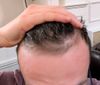
User shared progress pictures of hair regrowth on the crown/vertex after a transplant and using finasteride, Minoxidil foam, and a dermapen. They hope to fully regrow or increase density in the crown area.
Anti-inflammatories like curcumin, quercetin, and vitamin E may help with hair loss when used alongside treatments like finasteride and dutasteride. Ketoconazole is also noted for reducing scalp inflammation and improving scalp health.
Exosomes, cetirizine, melatonin, latanoprost, and caffeine are discussed as potential hair loss treatments. There is skepticism about the effectiveness of exosomes, especially in topical form, but some users report positive results.
The conversation concludes that finasteride, a 5α-Reductase inhibitor used for hair loss, does not impair cognition either short-term or long-term. It suggests "brain fog" is not caused by the medication.
A user shared their hair loss treatment which includes a custom solution with multiple ingredients, caffeine liquid, and saw palmetto, and mentioned shedding after 40 days of use. Some replies discuss the effectiveness and cost of the treatment, while others debate the usefulness of topical dutasteride.
Dutasteride mesotherapy showed increased hair density and diameter without reducing serum DHT levels in a small study. However, the sample size was too small to make definitive claims about its efficacy.
A user shared their experience after one year on Finasteride, noting both positive effects on hair retention and minor side effects like reduced libido and high blood pressure. They also emphasized the importance of quitting porn to improve sexual health and mentioned using Viagra to boost confidence.
A user shared their positive experience with MoriTint, a Korean scalp micro pigmentation technique that enhances the appearance of hair density without being permanent. They now offer this service in Los Angeles and emphasize its benefits for those with thinning hair, while clarifying it is not suitable for those with significant hair loss or baldness.
The user experienced significant hair regrowth after 7 months using 1mg finasteride and 2.5mg oral minoxidil, with initial lightheadedness as the only side effect. The user feels more confident and believes the minoxidil contributed most to the regrowth.
A 17-year-old is using Finasteride and Minoxidil for hair loss, experiencing hair shedding and cystic acne. They are considering Dutasteride for acne but are concerned about potential side effects on genital development.
The user shares their 10-month progress on a hair treatment regimen including Dutasteride, RU58841, Minoxidil, biotin, Nizoral shampoo, and a derma pen. They report maintaining hair density after previous steroid use.
Key treatments for hair preservation include minoxidil, finasteride/dutasteride, and microneedling, with additional options like specific shampoos, oils, biotin, zinc, tretinoin, clascoterone, and low-level laser therapy. Maintaining a healthy lifestyle, reducing stress, and addressing nutrient deficiencies can also support hair health.
The user recently went bald and plans to stop taking finasteride, questioning its impact on beard and eyebrow density. Responses suggest he looks good both bald and with thinning hair, with some recommending minoxidil for the crown and noting finasteride's effect on beard thickness.
An 18-year-old using Minoxidil 2% for hair loss is considering adding dermarolling to their routine. Replies suggest adding finasteride, using a dermastamp, and microneedling, with positive experiences shared.
A user shared their 3-month progress using finasteride and minoxidil for hair loss. Responses included congratulations, jokes, and mixed opinions on the visible results.
A 26-year-old man has seen hair regrowth after one month of using oral finasteride (1.1mg), minoxidil (3mg), and biotin daily, along with weekly ketoconazole shampoo and plans to add derma stamping. He reports minimal side effects and attributes an increase in libido to starting exercise, not the hair loss treatments.
The user is starting a hair loss treatment including topical finasteride/minoxidil, derma rolling, ketoconazole shampoo, vitamins, exercise, and quitting caffeine. They are seeking advice on derma roller needle size, potential side effects, and additional recommendations.
A user's progress with treating hair loss using 1mg finasteride per day, with reports of no noticeable side effects and positive results. Other users have shared their experiences with different treatments, such as Dutasteride and Minoxidil.
The user shared progress pictures of hair growth over several months using dutasteride, finasteride, oral minoxidil, and ketoconazole. They asked for feedback on their progress, while another user suggested using a derma pen and mentioned personal experiences with hair treatments.
The user experienced significant hair regrowth using 5mg oral Minoxidil and 0.5mg oral Dutasteride daily, with no side effects except increased body and eyebrow hair. They are concerned about progress plateauing but have not experienced shedding.
Hair loss requires proper diagnosis as it can have various causes, and treatments like finasteride, minoxidil, and dutasteride are often used. Many people express frustration with dermatologists and turn to self-research and alternative sources for treatment.
A user experienced hair retention but sexual side effects after using dutasteride for a year. Others shared similar experiences with finasteride and dutasteride, suggesting consulting a doctor for persistent issues.
People are discussing their reactions if PP405 fails in phase 3 trials, with some expressing skepticism and others holding onto hope for future treatments like GT20029 and Breezula. Many mention continuing with existing treatments like minoxidil and finasteride, while others express disappointment and consider alternative solutions.
A 27-year-old is experiencing hair thinning and receding, currently using finasteride and planning to start minoxidil. They seek advice on hairline treatment options, including styling, PRP, peptides, and micro-needling.
A serum with oleic and palmitoleic acids shows promise for hair regrowth in mice, but its effectiveness in humans is unproven. Minoxidil and finasteride remain the recommended treatments.
PP405 is a potential new hair loss treatment that works through metabolic pathways rather than hormonal ones, with an estimated market release between late 2027 and 2029. Current alternatives to finasteride include minoxidil, pyralutamide, fluridil, and RU58841, with hair transplants also being a viable option.
The user started using oral finasteride and topical minoxidil, showing promising hair regrowth in a short time. They plan to add microneedling and possibly a hair transplant in the future.