Natural vitamins like pumpkin seed oil, saw palmetto, and ecklonia cava are discussed for their potential to lower DHT levels. They may work similarly to finasteride but are significantly weaker.
A user struggled with hair loss and ineffective vitamin treatments from their doctor. They eventually obtained a finasteride prescription through a telemedicine service and felt relieved.
L. reuteri, a probiotic, is being explored for its potential benefits in treating androgenic alopecia, possibly enhancing finasteride's effects and reducing inflammation. The user combines this with finasteride, oral minoxidil, and other supplements, noting some improvement in hair loss.
Exploring hair loss treatments beyond DHT, including Minoxidil, pyruvate, Gt20029 targeting androgen receptors, and vasodilators. Other options like Kx826, adenosine signaling, growth factor topicals, and microneedling are also discussed.
A user is concerned about hair loss despite using finasteride for 6 months. Others suggest patience, noting visible regrowth and recommending a combination of finasteride and minoxidil.
Key treatments for hair preservation include minoxidil, finasteride/dutasteride, and microneedling, with additional options like specific shampoos, oils, biotin, zinc, tretinoin, clascoterone, and low-level laser therapy. Maintaining a healthy lifestyle, reducing stress, and addressing nutrient deficiencies can also support hair health.
Stopping creatine led to reduced hair loss for some, despite no proven link between creatine and hair loss. Users shared experiences, with some using minoxidil and finasteride to manage hair loss.
The conversation discusses hair loss treatments, specifically the progress made with Pyrilutamide over 15 months. One person suggests using oral Minoxidil or Dutasteride, but another mentions experiencing negative side effects from oral Finasteride.
Melatonin is being considered as a potential treatment for androgenic alopecia, with some users discussing its effects and combining it with other treatments like minoxidil and finasteride. Concerns about melatonin's impact on hormones and side effects from other treatments like ketoconazole were also discussed.
The potential risks of long-term use of Dutasteride and how it may be linked to elevated liver enzymes, cholesterol levels, and decreased testosterone. Alternative treatments such as Finasteride and RU58841 were also discussed.
Hair loss treatments like Dutasteride, RU58841, and Minoxidil may not work for everyone, as some individuals experience no improvement despite extensive use and research. Genetic factors can play a significant role, and standard treatments may not be effective for all.
The conversation discusses the conflicting information about Zinc's effect on DHT and its role in hair loss. It mentions that Zinc can act as a 5AR inhibitor at high doses but may increase DHT if taken to correct a deficiency, and highlights the importance of nutritional balance for hair health.
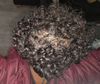
The user experienced severe scalp itching and hair loss while on dutasteride, which they linked to caffeine and masturbation. They plan to cut out both to see if their hair density improves.
Alternatives to finasteride for hair loss include minoxidil, alfatrodial, fluridil, pyrilutamide, and Nizoral. These treatments may not be as effective as finasteride but can help slow hair loss progression.
A 19-year-old using finasteride for hair loss seeks advice on additional treatments. Suggestions include microneedling, minoxidil, and ketoconazole shampoo, with concerns about side effects discussed.
Brian Dye's theory links skeletal malocclusion type II to hair loss, suggesting it's a blood flow issue. Treatments mentioned include minoxidil, finasteride, and anti-inflammatory drugs like benaxoprofen.
An 18-year-old is experiencing significant hair loss and is concerned about treatment options, including finasteride, minoxidil, and dutasteride, due to potential side effects and costs. They are also taking vitamins for deficiencies and considering alternatives like hair transplants or embracing the bald look.
A user experienced severe sexual side effects and man boobs after 11 months of finasteride use, despite initial positive results for hair growth. They are discontinuing finasteride and caution others about potential risks, suggesting that side effects may be more common than reported.
Creatine does not cause or worsen hair loss, despite some anecdotal reports of hair thinning. The discussion emphasizes that these reports are not supported by scientific evidence.
The potential health risks associated with long-term use of finasteride and dutasteride, with some responses pointing out the low quality of the journal that published the review article as well as highlighting other alternatives such as keto or minoxidil, and RU58841.
Hair loss is causing distress and self-esteem issues, with discussions on treatments like finasteride, minoxidil, and hair transplants. Some suggest topical treatments or lifestyle changes, while others stress the importance of confidence and self-acceptance.
Finasteride users discussing creatine's impact on hair loss. Most believe creatine doesn't significantly affect hair, with some reporting no issues and others experiencing thinning.
A user experienced a "watery belly" and cellulite after starting finasteride, despite maintaining a disciplined fitness routine. Others suggest checking hormone levels, as changes in DHT and estrogen could affect fat metabolism, but age might also be a factor.
A 27-year-old male experienced limited success with Dutasteride and topical Minoxidil for hair loss and eyebrow thinning, with side effects like decreased libido and erectile dysfunction. He is considering oral Minoxidil but is concerned about side effects, and is advised to try ketoconazole for possible dermatitis and monitor vitamin D levels.
A user reported no improvement in hair loss after nearly a year of using 1mg oral finasteride, topical minoxidil twice daily, and weekly microneedling. Other users suggested the possibility of DUPA or retrograde alopecia and mentioned that treatments might only slow down hair loss rather than regrow hair.
The post and conversation are about a user's progress in treating hair loss using 1mg oral finasteride daily, 5% minoxidil twice a day, keto shampoo 2-3 times a week, weekly 1.5 mm needle, and vitamins for deficiencies in vitamin D, ferritin, and B12. The conclusion is that the user has experienced great results with finasteride in stopping shedding and now has minimal shedding when showering and combing hair.
GT20029 is a topical treatment that degrades androgen receptors to prevent hair thinning and loss, potentially offering fewer side effects than systemic treatments like finasteride. Concerns include its impact on hair texture and potential systemic effects, with market availability speculated in 3 to 5 years.
Some hair loss may be linked to chromosome 20, which isn't affected by DHT blockers like finasteride. Treatments like minoxidil, microneedling, and genetic testing are suggested, but their effectiveness for this type of hair loss is uncertain.
A 25-year-old experienced worsening hair loss and side effects like low libido and watery semen after using minoxidil, finasteride, and later switching to dutasteride. Despite trying various treatments, including topical solutions and micro-needling, they saw no improvement and are now seeking advice.