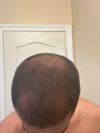
Pyrilutamide (KX-826) is discussed as an anti-androgen treatment for hair loss, with mixed user experiences. Some users report no results, while others find it mildly effective.
The conversation discusses CRISPR-on & CRISPR-off as a potential cure for baldness, contrasting it with hair cloning and other treatments like Minoxidil, finasteride, and RU58841. It also mentions the potential of mRNA for gene expression control and the prioritization of gene editing for severe genetic conditions.
The user has been using 1mg finasteride and 2.5mg oral minoxidil daily for 18 months without success in treating hair loss. They are frustrated with their diffuse androgenetic alopecia and unsure of what to do next.
A 29-year-old shares their 3-4 month progress using 2.5 mg Minoxidil and 1.0 mg Finasteride daily for hair loss, noting improved hair density and color. They experienced initial body itching and occasional dips in sex drive but are satisfied with the results.
The user is concerned about hair loss and is using treatments like dutasteride, microneedling, and topical finasteride, while considering adding RU58841. They are also using Minoxidil on the temples and are worried about testosterone-related hair loss.
Many regret delaying hair loss treatments like finasteride and minoxidil, impacting self-esteem and dating. Additional treatments include scalp micropigmentation and hair transplants, with some experiencing side effects or high costs.
A 33-year-old male is documenting his hair regrowth progress using minoxidil, red light therapy, copper peptides, and micro-needling, with noticeable improvement in hair thickness and coverage. He plans to add a topical finasteride/minoxidil spray and aims for a shadow on his scalp rather than a full head of hair.
A user shared their 3.5-month progress using oral finasteride, topical minoxidil, biotin, and weekly 1.5mm derma rolling. Another user commented that the original poster's hairline has improved significantly.
A user who has been using finasteride and minoxidil for 4-5 months with 5000 IU of vitamin D daily to treat their hair loss, resulting in impressive progress. Other users have given advice about adding Vitamin K2 to the regimen.
The user has been using finasteride for 16 months, minoxidil for 11 months, and started microneedling 2 months ago, experiencing shedding phases. They are questioning whether they are experiencing miniaturization or regrowth.
A 19-year-old has been using oral finasteride and minoxidil for a year without noticeable results. Suggestions include adding derma-stamping, increasing ketoconazole shampoo use, and considering vitamin D testing, while acknowledging that response times vary.
Controlling insulin levels through intermittent fasting and a low glycemic diet may improve hair quality by reducing androgens. It's important to maintain proper nutrition, including electrolytes and protein, during fasting.
A 23-year-old plans a hair transplant and uses finasteride, Essengen 6 Plus, ketoconazole shampoo, dermarolling, vitamins, and Foligain capsules. He seeks advice on his regimen and the timing of the procedure, considering family history and potential future hair loss.
A hair transplant of 3361 grafts, 11.5 months after the procedure, that resulted in a very natural looking NW1 hairline; the person who underwent this procedure has not experienced any hair loss and is expecting to have no future hairloss either.
The conversation discusses hair loss treatments, focusing on vitamin D and B12 deficiencies, and mentions using finasteride. It also suggests getting a biopsy to differentiate between MPB and other conditions.
A 22-year-old male using finasteride, minoxidil, and derma stamping for one month reports progress in hair loss treatment. He also uses vitamin D, omega-3, beta carotene, tongkat ali, and ag powder, and maintains an active lifestyle.
A 20-year-old male is unsure how to interpret his bloodwork results and whether he should take finasteride for hair loss. His bloodwork shows borderline high levels of albumin and testosterone, and high progesterone, but normal levels of other hormones.
Treatment options for female alopecia androgenetica, discussing the availability of spironolactone online in The Netherlands and other potential treatments like finasteride, minoxidil and RU58841.
The user has been using finasteride, minoxidil, microneedling, PRP, and ProCell therapy for hair loss but sees no progress after nine months. They are considering switching to dutasteride and possibly a hair transplant, with suggestions to add oral minoxidil.
After jaw surgery caused intense hair shedding and scalp itch, using pyrilutamide significantly reduced these symptoms. It's suggested to test pyrilutamide for authenticity before use, despite positive personal experience with the product from MV Supplements.
User "al_ick" shares progress with topical fin, min, tret, and micro needling for hair loss, showing good results. They use hims fin and min combination spray, applying 5-7 sprays for better coverage.
A 22-year-old is experiencing diffuse hair thinning all over the head, losing about 300 long hairs daily, despite having good genetics and vitamin levels. They are seeking advice on whether this pattern is normal and considering consulting a dermatologist.
Hair loss discussion includes potential HMI-115 treatment. Topical mucuna pruriens shows good results, blocking prolactin possibly more important than blocking DHT.
Pyrilutamide/KX-826 is being considered as a potential treatment for female androgenetic alopecia (AGA), but its high cost and limited data on effectiveness are concerns. Kintor markets it for both men and women.
A user shared their positive hair transplant results after 19 months without using finasteride or minoxidil, only vitamins. Some responses suggest concern over future hair loss without prevention treatments, while others congratulate or express jealousy.
Hair cloning is discussed, focusing on its current status and potential availability. Treatments mentioned include Minoxidil, finasteride, and RU58841.
A user shared their 1.5-year progress after a FUE crown transplant, using dutasteride and oral minoxidil, which improved their hairline and stabilized hair loss. They experienced dizziness from topical minoxidil but had no side effects from finasteride, dutasteride, or oral minoxidil.
The conversation discusses hair loss treatments, including finasteride, microneedling, minoxidil, and PTD-DBM. The user has not noticed significant regrowth and is considering cost-effective options like valproic acid.
The conversation suggests that the hair thinning could be due to stress and vitamin deficiency rather than male pattern baldness. It recommends correcting the vitamin deficiency first and considering Minoxidil for hair growth if needed.