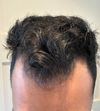
The conversation discusses changes in scalp texture and appearance in areas of hair loss, with concerns about the suitability of these areas for hair transplants. Users mention issues like fibrosis, inflammation, and thinner skin, advising caution and consultation with clinics before proceeding with transplants.
A 28-year-old shared his successful hair transplant experience using 2800 grafts, oral minoxidil, and finasteride, resulting in a natural look. The procedure cost 1 lakh INR, and recovery took 7 days.
A 28-year-old underwent three hair transplants totaling 11,102 grafts at Eugenix, using finasteride and minoxidil to manage advanced hair loss. Despite limited density, the results are satisfactory, allowing the individual to feel presentable without a hat.
A 28-year-old man is considering whether to proceed with a hair transplant in February or continue using oral minoxidil, finasteride, and dermastamping, which have shown great progress in 3.5 months, to achieve desired results by his wedding in September 2026. Most responses suggest postponing the transplant to avoid potential "shock loss" and relying on the current treatment and hair fibers for the wedding.
A user shared their positive experience with a hair transplant in Istanbul, specifically for afro hair, and mentioned having no regrets 9 months post-operation. The user also noted that they got braids after doctor approval, sparking mixed reactions about the potential impact on hair health.
The user experienced significant hair regrowth using a daily oral combination of minoxidil (3mg) and finasteride (1.1mg) without side effects. Others shared their experiences with similar treatments, noting varying results and side effects.
A user shared their experience with three hair transplants, finasteride, and minoxidil to combat severe hair loss, achieving significant regrowth. They discussed the process, costs, and maintenance, emphasizing that transplanted hair is permanent and doesn't require ongoing medication.
Prolonged use of topical minoxidil and finasteride can lead to neuroendocrine and autonomic dysfunction, causing severe sensitivity and side effects. Recovery involves avoiding these treatments, supporting neurosteroid recovery, calming the sympathetic system, and rebuilding scalp health naturally.
A user is experiencing hair loss despite using finasteride, minoxidil, microneedling, tea tree oil, and nizoral. They are considering switching to dutasteride due to an upcoming move to Japan.
A user's hair regrowth journey involved a hair transplant and using RU58841, finasteride, and minoxidil, with side effects managed by other medications.
The user is using a topical solution with finasteride, minoxidil, and other ingredients, along with a red light laser cap and dermapen, to address hair thinning. They are considering a hair transplant but are advised to try dutasteride and oral minoxidil for 12 to 18 months before deciding.
The conversation is about documenting hair loss over four years leading up to a hair transplant, with photos showing the progression. The next post will cover the experience and recovery from an FUE transplant.
A user named "Redbone2222" shares their positive experience with a hair transplant procedure of 2500-3000 grafts, along with the use of 1mg finasteride daily and 5% topical minoxidil. They express satisfaction with the results and believe that finasteride has been more effective for them than minoxidil.
A 26-year-old is starting a hair loss treatment using 1mg oral finasteride daily, 5% topical minoxidil foam twice daily, 2% ketoconazole shampoo weekly, and microneedling once a week. They noticed worsening hair loss over the past year and are seeking advice.
A 7-month update from Markoj44 regarding their hair transplant results, which includes the use of topical finasteride and minoxidil in combination with Viviscal, biotin, Nizoral shampoo, and donor area photos. People responded positively to the post.
Transplanting mice skin to humans is not feasible due to immune rejection, but some suggest genetic modification or immune suppression could make it possible. Xenograft hair transplants are discouraged.
A user's experiences with hair loss treatments, including finasteride and hair transplants, in relation to another person who has been publicly vocal about their own hair loss struggles. People have shared opinions on this other person's treatment choices and the results of their hair transplant.
Hopeful treatments for hair loss, including Verteporfin, Androgen Receptor Degradation, and SCUBE3. These treatments offer potential solutions to slow or stop the effects of androgens on the scalp.
A user who started balding at 20 trying different treatments to combat hair loss before eventually embracing being bald and getting a custom hair piece as an option. Various people commented on his looks with and without the wig, generally agreeing that he looked better bald.
A 22-year-old's experience with receiving a hair transplant and the use of Minoxidil, finasteride, RU58841, Lidocaine shots, and platelet injections to treat hair loss.
A user shared their positive experience with a hair transplant, using 3,500 grafts, after trying various treatments like Minoxidil, Finasteride, and Dutasteride. They recommend stabilizing hair loss with Finasteride before considering a transplant.
The user is experiencing severe hair loss due to gut malabsorption and is seeking advice on nutrient testing and supplementation. They have low Vitamin D and Ferritin levels and are asking for recommendations on additional nutrients and blood tests to consider.
The conversation is about using microneedling for hair loss treatment, including questions on disinfection and post-treatment care. The user mentions using oral minoxidil and finasteride, and considering dutasteride.
The user is using minoxidil, finasteride, dutasteride, and clobetasol, along with needling, to combat hair loss. They are considering stopping treatment if no improvement is seen.
Hair loss, treatments including Minoxidil and finasteride, confidence being more important than the amount of hair one has, and how actor Jason Statham is an example of a successful bald man.
A user shared their experience with a 7600 graft hair transplant using scalp, beard, and chest hair over three procedures, expressing satisfaction with the results despite mixed feedback. They also used finasteride to thicken hair and considered scalp micropigmentation for further improvement.
The user has been using Minoxidil, finasteride, and a dermaroller for a year with little effect on hair loss. They are considering a hair transplant and are questioning the number of grafts needed and the feasibility of transplanting onto a partially bald scalp.