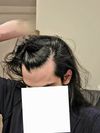
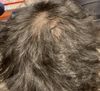
The user has been using finasteride three times a week for a year and plans to add minoxidil to improve hair regrowth. They are seeking opinions on any noticeable new hair growth.
Fluorescent lighting makes hair look thinner, causing concern about appearance. Some users consider treatments like DUT, while others share experiences of hair looking better in different lighting or conditions.
ET-02, a new hair loss treatment, shows promising results with a 6-fold increase in hair count, potentially outperforming minoxidil by activating stem cells in hair follicles. Further trials are ongoing to confirm its efficacy and safety, with potential market release in the future.
Finasteride and dutasteride can stop hair loss and improve skin, with some users experiencing increased libido and harder erections. However, some report side effects like softer erections and brain fog.
Minoxidil may improve or worsen skin quality, with topical forms causing dryness and wrinkles, possibly due to alcohol content, while oral forms have fewer side effects. Some users consider using tretinoin to mitigate negative effects.
Hair loss treatments like finasteride, minoxidil, and dutasteride work but have side effects. A permanent cure is still not available due to the complexity of hair loss and limited investment.
A user shared their successful 1-year update after a 2300 FUE hair transplant in Seoul, Korea, praising Dr. Ko's work for achieving a natural-looking hairline. The conversation includes admiration for the results and inquiries about the procedure's cost and requirements.
A user is making a homemade topical finasteride solution by dissolving crushed finasteride tablets in ethanol and PG. They are unsure if the final solution maintains the intended concentration after filtering and are considering adding more ethanol to ensure accuracy.
A user is considering starting finasteride for hair loss and shares their hormone levels, with others suggesting checking SHBG and discussing potential side effects. Some recommend starting with 0.5 mg finasteride, while others suggest considering dutasteride.
Dutasteride and finasteride can significantly slow or halt hair loss, with some users experiencing regrowth, but results vary. Lifestyle factors and individual genetic predispositions also play a role in hair loss outcomes.
Scalp irritation from homemade topical finasteride may be caused by isopropyl alcohol. Alternatives suggested include using ethanol or everclear with distilled water.
A user received brand name Avodart instead of generic dutasteride for a lower price. Another user mentioned experiencing depression as a side effect but prefers having hair.
A user reported hair regrowth after taking D3 vitamin pills and using anti-hair fall shampoo for four months. They were later advised to use 10% minoxidil, a hair spray, and a general vitamin pill containing iron, B9, and B12.
A user shared their 4-month hair transplant progress with 3740 grafts, showing before and after pictures. They had a generally good experience, except for the anesthesia part.
The post and conversation discuss KX-826 (pyrilutamide) for hair loss treatment, with positive remarks about its advertising and authenticity in China. The user changed their perspective after further research and seeing genuine advertising.
The conversation is about using distilled water as a solvent for topical finasteride to reduce systemic absorption. The user is considering avoiding ethanol and propylene glycol to achieve this.
A user is considering using 70% isopropyl alcohol with glycerin as a carrier for topical finasteride for hair loss but is concerned about its safety compared to ethanol. They are unsure where to buy ethanol without toxic methanol.
A 27-year-old man shared his 3-month progress using finasteride and minoxidil for hair loss, showing significant improvement and increased confidence. He expressed gratitude to the community for their support and inspiration.
The GT20029 tincture, a topical androgen receptor degrader, showed significant hair growth and good safety in a China Phase II trial for male androgenetic alopecia (AGA), with the 1% dose twice weekly identified as optimal. The company plans to initiate Phase III trials in China and Phase II in the U.S., and the treatment also shows promise for acne.
The user has been using 1mg finasteride daily, 0.05% tretinoin, and 5% topical minoxidil for hair loss. They've seen hairline recession with minoxidil but also new baby hairs, indicating a positive response.
A user is very satisfied with their hair transplant results, despite choosing a straight hairline against the doctor's advice for a more natural look. Some commenters think the hairline looks artificial, while others discuss the importance of a natural-looking hairline and inquire about any medications used post-transplant.
A new hair loss treatment involving Keratin Microsphere Gel is discussed, with skepticism and jokes about its effectiveness and comparisons to other treatments. Users are doubtful and make light of the situation, referencing past disappointments and the study's focus on mice.
The conversation discusses the use of dutasteride (DUT) versus finasteride (FIN) for hair loss treatment, with some users preferring DUT for its effectiveness while others choose FIN due to its approval status, better long-term data, and lower risk of side effects. Users share personal experiences with both medications, including side effects and effectiveness.
Some people see significant hair regrowth using treatments like finasteride and minoxidil, while others experience little to no improvement even with comprehensive treatment plans. Factors such as individual sensitivity to DHT may influence the effectiveness of these hair loss treatments.
A 19-year-old has seen hair regrowth after 10 months using finasteride and recently added minoxidil and tretinoin. They experienced no side effects from the treatments and are optimistic about further improvement.
The conversation discusses a user's positive experience with a hair loss treatment using a topical spray containing finasteride and minoxidil. Some users express interest or skepticism, while the original poster also mentions using biotin gummies, fish oil, and a multivitamin.
Rosemary extract showed high inhibitory activity against DHT, similar to finasteride and dutasteride, but the conversation includes skepticism about its effectiveness in humans since the study was done on mice and rosemary oil is often considered ineffective based on personal experiences. Some suggest trying rosemary oil alongside other treatments, while others emphasize the difference between the extract used in the study and the oil.
The conversation is about someone looking for specific side effects reported in clinical trials for GT20029, a hair loss treatment. No results or data were found on the clinical trials site.