Search
for
Sort by
Community Join
570-600 / 1000+ resultscommunity Comparison of the efficacy of topical minoxidil 5% and adenosine 0.75% solutions on male androgenetic alopecia and measuring patient satisfaction rate
Comparing the effectiveness of minoxidil 5% and adenosine 0.75% for treating male androgenetic alopecia, and measuring patient satisfaction rate; results showed that adenosine is comparable to minoxidil but provides quicker results, however availability of products with adenosine is much less than those with minoxidil.
community Looking for information on topical spironolactone
community Indian friends - which generic oral minoxidil brands would you recommend?
community Cetirizine (Zyrtec), to help with inflammation.
The user experiences an itchy scalp and finds relief using shampoo and Zyrtec, which helps with inflammation. They are unsure if the issue is related to histamines or seborrheic dermatitis.
community Has anyone had any success with Carpronium chloride 5%?
Carpronium chloride 5% is a hair growth treatment in Japan, considered less effective than minoxidil or finasteride. Some users report moderate success with it, but its efficacy is not well-verified.
community Haïr différence after 1 year dut with alternate days
The user experienced hair thickening and regrowth using dutasteride on alternate days, oral minoxidil every third day, and daily hair massages, but is dealing with dandruff and inflammation. They are considering adjusting their minoxidil dosage and have started using ketoconazole shampoo and cupping therapy for additional benefits.
community Looks like I’m allergic to propylene glycol..
The user is experiencing an allergic reaction to propylene glycol in Kirkland minoxidil and is considering switching to a foam version or a low-PG minoxidil solution. They are also contemplating oral minoxidil but are concerned about its long-term safety.
community Clascoterone - clearnet vendor
The conversation is about finding a clearnet vendor for clascoterone, also known as Winlevi, for hair loss treatment. The user is seeking recommendations via direct message.
community Seeking Advice: Improving Results with Avodart Since June 2023
The user has been using Dutasteride (Avodart) 0.5 mg since June 2023 to combat hair thinning, experiencing initial side effects but no significant hair regrowth. They seek advice on improving or thickening their hair further.
community Reducing Fin Dose due to Sides, 1yr 2 months usage
community Anyone had anemia + AGA/thinning ?
OP experienced significant hair regrowth after recovering from iron deficiency anemia and starting minoxidil. They suspect anemia contributed more to their hair loss than androgenetic alopecia (AGA).
community Opinions- AGA options and pregnancy
A user with Androgenetic Alopecia is seeking advice on hair growth treatments while planning for pregnancy. Current routine includes LaserCap, Nizoral Shampoo, scalp massage, The Ordinary Multi Peptide Serum, vitamin D, prenatal vitamins, and SEEN shampoo.
community Six month results of pyrilutamide and Alfatrodial
community Melatonin a possible tool to help fight AGA hair loss.
Topical melatonin may help reduce hair loss and increase hair thickness in people with androgenetic alopecia (AGA), with some studies showing positive results. It can be mixed with minoxidil for application, and its effectiveness might be enhanced when used with micro-needling, but results may vary among individuals.
community minoxidil + peppermint oil + micro needling + red light hat protocol?
The conversation is about a hair regrowth regimen that includes using minoxidil, peppermint oil, a red light hat, and microneedling. The user is seeking advice on the effectiveness and frequency of these treatments.
community What's your experience with using hinoki tree oil and/or procyanidin b2?
Hair loss discussion includes treatments like hinoki tree oil and procyanidin b2. Experiences and effectiveness of these treatments are shared.
community Setipiprant trial results
Setipiprant trial for hair loss failed, showing no difference between placebo and treatment. Discussion also noted placebo users reporting side effects.
community Has anyone figure out how to deal with their itchy scalp when most ingredients aren't working?
The user has chronic itchy scalp and dandruff, unresponsive to ketoconazole, selenium sulfide, zinc pyrithione, coal tar, and salicylic acid. Topical steroids were also ineffective for long-term use.
community [AMA] 5-Month Progress Report: Dutasteride and Oral Minoxidil Results.
Naepo's 5-month progress report detailing their journey of treating male pattern baldness with dutasteride and oral minoxidil, which has already resulted in an encouraging improvement in hair density. Others have responded with appreciation for the thorough report and asked further questions about Naepo's educational background.
community Baby hair on hairline: regrowth or balding?
The user has been dermarolling and applying argan oil with peppermint or rosemary oil, noticing baby hair growth on the hairline. They are questioning if this indicates treatment success or faster hairline recession.
community Does Minox give regrowth?
A user is using 1ml/day of Dualgen-15 (15% Minoxidil, caffeine, retinol, azaleic acid, Adenosine, biotin, niacin) on their temples and asks if Minoxidil alone can completely regrow their temples.
community DHEA, the culprit behind DUPA ? Read this!
High DHEA levels may contribute to hair loss by increasing DHT in hair follicles, potentially explaining why finasteride is ineffective for some. Treatments like high-dose dutasteride and RU58841 are suggested, but the underlying cause, such as adrenal issues, should be investigated.
community 6 months of using dutastride and minoxidil
community Black seed oil rosemary oil and microneedling success
community 10 day hair transplant update - HLC Ankara - How we looking?
A 35-year-old had a hair transplant with 3,153 grafts at HLC Ankara, experiencing some pain and numbness but pleased with the density and results. The procedure cost $10,000, and the user has been using finasteride for over 13 years.
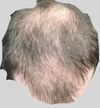
community 25M I need help
The user has been using oral finasteride and minoxidil for hair loss but is considering switching back to topical minoxidil due to persistent scalp issues. Another user suggests an anti-inflammation regimen and oral dutasteride.
community Anyone have any experience with these SoCal Hair Surgeons?
community Anyone have any experience with these SoCal Hair Surgeons?
community TCA 35% chemical peel, don't try this shit at home.
The conversation discusses using a TCA 35% chemical peel on the scalp to potentially improve hair growth by addressing fibrosis and enhancing the effectiveness of topical treatments. The user also mentions trying microneedling and other methods like topical metformin and dutasteride for hair regrowth.