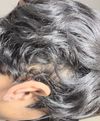
Vitamin E and K deficiencies due to exocrine pancreatic insufficiency may affect hair growth. A scalp biopsy is recommended to check for autoimmune-related hair loss.
A 21-year-old male diagnosed with telogen effluvium and male pattern baldness started oral finasteride, which initially slowed hair loss and slightly thickened hair, but experienced increased shedding after surgery. The doctor recommended iron and vitamin D supplements, and the user is seeking additional advice.
The user believes Retrograde Alopecia may be linked to vitamin imbalances, specifically from taking too much Vitamin E, A, Zinc, and Selenium, and suggests it could be a middle ground between Androgenic Alopecia and Telogen Effluvium. Treatments for hair loss mentioned include Androgen inhibitors and improving lifestyle factors like nutrition and sleep, with topical melatonin also recommended for Retrograde Alopecia.
Betacarotene's effect on hair loss is discussed, with concerns about excessive vitamin A. The user also questions if 15mg melatonin impacts vitamin A levels.
Japanese and Korean diets provide sufficient minerals like folate, B12, vitamin D, zinc, iron, and copper, which may reduce androgenic alopecia. High soy consumption, containing phytoestrogens, might also contribute to lower hair loss in these regions.
A user is experiencing hair regrowth after treating vitamin D, B12, and B9 deficiencies, noticing some improvement after 9 months. They are unsure if further improvement will occur or if they have reached the end of progress, with a possibility of androgenetic alopecia (AGA) being suggested.
The user started using finasteride, minoxidil, and biotin for male pattern baldness (MPB) and is experiencing rapid thinning. They are questioning if low blood flow to the head could be contributing to their hair loss.
A 24-year-old woman being diagnosed with androgenic alopecia (AGA) who is scared and confused about her hair loss, and the treatment options of Minoxidil, finasteride, RU58841, spironolactone, and possibly a biopsy.
A 25-year-old male experienced significant hair loss due to telogen effluvium and androgenetic alopecia. He began using finasteride, minoxidil, and vitamins, seeing some regrowth but remains worried about hair density.
The user has been using finasteride and dutasteride for hair loss but is experiencing low energy and motivation, possibly due to high prolactin levels. Despite treatment, hairline recession continues, and the user is considering the impact of low DHT levels on overall health and energy.
The user has been taking oral Finasteride and topical Essengen 6 Plus for hair loss and is experiencing increased depression. They plan to get bloodwork to check hormone levels and are seeking advice on which tests to include.
A female with male-pattern hair loss (AGA) is seeking help after unsuccessful treatments with spironolactone and supplements, and is considering oral minoxidil and finasteride despite concerns about medication side effects. She has ruled out hormonal birth control and PRP/PRFM, and is looking into further medical advice due to abnormal lab results.
The user experienced hair improvement using a topical finasteride, minoxidil, and tretinoin combo, along with supplements like zinc, copper, magnesium, vitamin D3, K2, iodine, and boron. They believe these changes are due to addressing mineral deficiencies and possibly thyroid issues, despite skepticism from others.
A female, aged 17-18, is experiencing significant hair loss, feeling hopeless despite trying various treatments like leave-in conditioners, omega-3s, supplements, sulfate-free shampoo, and biotin. She is distressed as her hair continues to thin, affecting her body image and self-esteem.
The conversation is about severe Vitamin D deficiency and its potential link to hair loss. The user is already using oral finasteride, topical finasteride, and topical minoxidil for aggressive hair loss.
A user is concerned about hair thinning and is using minoxidil, considering finasteride, and planning blood tests to rule out deficiencies. They are advised to consult a dermatologist to confirm if androgenic alopecia is the cause before starting finasteride.
The conversation is about a user planning a blood test to monitor health while on hair loss treatments: Finasteride, Minoxidil, and Dutasteride. Recommendations include testing for androgens, thyroid function, micronutrients, and basic health markers, with additional suggestions for PSA, prolactin, and estradiol.
The user is exploring hair loss treatments and is interested in procyanidin B2 and annurca apples but has concerns about the effectiveness and availability of supplements. They cannot use Dutasteride or Finasteride and are considering Minoxidil with microneedling.
A user named Mmherak is experiencing hair loss, with low B12 and iron deficiency, and has been recommended minoxidil and spironolactone by dermatologists. Other users suggest seborrheic dermatitis or dandruff, recommending treatments like Nizoral shampoo, ketoconazole, and Selsun Blue.
A 19-year-old male with no family history of androgenetic alopecia (AGA) is experiencing hair loss and considering using a topical minoxidil and finasteride mixture. Despite low vitamin D levels and normal DHT serum levels, he seeks confirmation of AGA before starting treatment.
The user has been experiencing diffuse hair thinning despite using finasteride, minoxidil, dermarolling, clobetasol cream, and PRP sessions. They seek advice on additional treatments and are advised to check vitamin D, iron, and thyroid levels.
The user has been using a hair loss treatment regimen including RU58841, minoxidil, and dutasteride, but still experiences hairline recession and fatigue despite high testosterone levels. They are considering adjusting their dutasteride dosage due to concerns about libido and energy levels.
The conversation discusses microneedling for hair loss, with the original poster experiencing pinpoint bleeding after using needles of 1.25mm and 0.5mm, possibly due to adding GHK-Cu to their treatment regimen. They are inquiring if others bleed at similar depths.
Before starting hair loss treatment, it's suggested to undergo various blood and health tests to minimize side effects. The checklist includes tests for kidney function, liver enzymes, blood sugar, vitamins, hormones, and more.
The user experienced excessive bleeding during microneedling after consuming caffeine and THC, and is unsure if they should continue with the same routine. They are seeking advice on whether the bleeding is a cause for concern.
User "missbloombastic" has been experiencing hair loss since 2016 and tried min, fin, multivitamins, and spiro with mixed results. Another user shares their struggle with hair loss and its impact on self-esteem, while a third user suggests checking blood tests and confirming the cause of hair loss.
A 31-year-old male experienced hair shedding after rapid weight loss and stopping vitamins, despite using minoxidil and other supplements. He is considering Saw Palmetto and Pumpkin Seed Oil instead of finasteride due to trying for kids, and is concerned about high ferritin and DHEAS levels.
The user is considering getting blood work to investigate the cause of ongoing hair loss despite using finasteride and dutasteride. Others suggest that while blood tests can provide useful health information, they may not change the hair treatment outcome.
Low Vitamin D can cause hair shedding, and taking 5000 IU of Vitamin D daily reduced shedding significantly. Vitamin D deficiency is common and correcting it can benefit overall health.