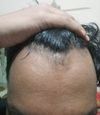
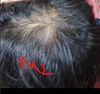
The user has experienced hair regrowth using finasteride, minoxidil, dermarolling, and nizoral shampoo, but is considering a hair transplant due to advanced hair loss. Others suggest checking the donor area and considering a reputable surgeon for a potential transplant.
A user shared their experience with a Long Hair DHI Hair Transplant, receiving 2,750 grafts. They plan to continue using Dutasteride and Topical Minoxidil post-surgery.
A 21-year-old man shared his 2.5-year experience with hair loss treatments, including 1mg Propecia (finasteride) nightly, 12.5% Minoxidil once daily, 2% Nizoral shampoo 2-4 times a week, and later 5% Minoxidil once daily. He experienced minor side effects like watery semen and itchy scalp, and while he's seen fluctuations in hair growth, he's generally happy with the results and is considering experimental treatments like CB-03-01 and RU58841.
User experienced hair regrowth with finasteride and minoxidil but started losing hair again after 1 year and 4 months. They ask if they should switch to dutasteride or wait longer.
User started balding at 16 and began treatment at 18, using RU58841, minoxidil, derma rolling, and peptides. After 6 months, they experienced significant hair regrowth and are happy with the results.
Treatments for hair loss, such as topical minoxidil, platelet-rich plasma therapy with or without minoxidil, ketoconazole, non-abative radio frequency, natural products, finasteride and cortexolone 17 alpha propionate. The post evaluates the efficacy and safety of these treatments in various studies.
The user is documenting their hair regrowth journey using oral finasteride, topical minoxidil, ketoconazole, dermarolling, biotin shampoo, and rosemary oil. They are committed to maintaining this regimen to track progress.
A user shared their positive experience with a hair transplant surgery, detailing the process and results, including the use of 2800 grafts and post-surgery treatments like PRP. They also mentioned using finasteride, minoxidil, and supplements to maintain hair growth.
A user regrew all their hair, including temples and bald spots, after one year of finasteride and six months of oral minoxidil. They noted finasteride helped with the crown and bald spot, while minoxidil regrew the hairline and temples.
The user has been taking oral minoxidil, dutasteride, and biotin for 3 months and noticed changes in hair texture, suggesting potential regrowth or stabilization. Baby hairs and increased hair density are seen as positive signs.
A 26-year-old male shared progress pictures after 4 months of treating hair loss with finasteride (1.25 mg on Mondays, Wednesdays, and Fridays), topical minoxidil twice daily, ketoconazole shampoo twice weekly, and weekly microneedling at 1.5 mm. He is seeing hair growth improvement, especially in the front, and is considering hair grafts for the crown area if necessary for more density.
A 21-year-old user shared progress pictures showing hair loss treatment results after using finasteride for a year and minoxidil for 6-7 months. Despite some improvement, the user is unhappy with hair density and hairline.
A 27-year-old is using finasteride, minoxidil, microneedling, and Pilexil shampoo to combat hair loss, with plans to add Nizoral shampoo and light stimulation. Initial results show reduced hair loss and some hair thickening, despite a period of shedding.
A 20-year-old male experienced significant hair regrowth and transformation in under 7 months using oral minoxidil and finasteride. His hair became curlier, darker, and denser, leading to a dramatic change in appearance.
A 45-year-old man experienced positive hair regrowth using a combination pill of 5mg minoxidil, 1.1mg finasteride, and 1mg biotin over three months. He reported minimal side effects and prefers this treatment over hair transplants.
A man lost his transplanted hair despite using minoxidil because he wasn't on a DHT blocker like finasteride, which is essential to prevent further hair loss. The conversation emphasizes that hair transplants are not a cure and require maintenance with medications to preserve results.
PP405 is a promising new hair loss treatment that may reactivate dormant hair follicles without side effects. It could surpass traditional treatments like minoxidil and finasteride if successful in further trials.
A 22-year-old is experiencing hair thinning and is using oral finasteride and minoxidil chewables, along with microneedling and anti-dandruff shampoo, to manage it. Despite experiencing significant shedding, they remain hopeful for regrowth in the coming months.
A user who experienced positive results from using finasteride and dutasteride to treat their hair loss, with 2000 grafts being transplanted in the temples area for further improvement. They also discussed cost and other treatments such as minoxidil.
The user experienced significant hair regrowth using finasteride 1mg daily, minoxidil 5% twice a day, and microneedling 3-4 times a week. They reported no side effects from finasteride and are pleased with the results, feeling more confident and maintaining a new hair baseline.
A 20-year-old has been using finasteride for a year and added minoxidil three months ago, seeing significant hair regrowth. They are considering continuing the current treatment or possibly a hair transplant in the future.
The user experienced significant hair regrowth using a daily oral combination of minoxidil (3mg) and finasteride (1.1mg) without side effects. Others shared their experiences with similar treatments, noting varying results and side effects.
A user named "Redbone2222" shares their positive experience with a hair transplant procedure of 2500-3000 grafts, along with the use of 1mg finasteride daily and 5% topical minoxidil. They express satisfaction with the results and believe that finasteride has been more effective for them than minoxidil.
A user shared their 16-month progress using a minoxidil and finasteride spray combo, showing significant hair regrowth. The discussion includes praise for the results, questions about treatment specifics, and debates on the effectiveness of topical versus oral finasteride.
The user shared their hair regrowth journey using treatments like dutasteride, minoxidil, microneedling, tretinoin, Nizoral, silica, biotin, and hormone replacement therapy (HRT) with cyproterone and estradiol. They reported substantial hairline improvement and some crown thinning, with hopes for further progress.
A 20-year-old is experiencing aggressive hair loss and is using oral finasteride, topical minoxidil, tretinoin, rosemary oil, and dermarolling in an attempt to manage it. They are concerned about their appearance and future hair loss, seeking advice on additional treatments.
A user has been experiencing hair loss despite using dutasteride, oral minoxidil, micro-needling, a sult1a1 booster, and low-level laser treatment. They are seeking advice on other potential treatments or causes for their hair loss.
The user has been treating hair loss for 15 months using a regimen that includes 5% minoxidil, dermarolling, a dermpen, a topical mix of 3% minoxidil with 0.1% finasteride, Wild-Growth hair oil, pumpkin seed and peppermint oil, Nizoral or Nioxin shampoo, multivitamins, and cod liver oil. They have not seen noticeable changes recently and are seeking motivation to start working out again.
A 24-year-old shares a 1-month update on his hair regrowth journey using 1mg oral finasteride, 10mg oral minoxidil, dermarolling, and pyrilutamide. Replies suggest it may take a few hair cycles for vellus hairs to mature into normal hairs, with progress varying by individual.