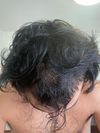
Excess Vitamin A and topical retinoids can cause diffuse hair shedding. The user suspects their chronic telogen effluvium may be linked to using adapalene, a topical retinoid.
The conversation discusses hair regrowth using oral minoxidil, oral finasteride, topical minoxidil, red light therapy, massage, and a keto diet. The user reports positive results and no negative effects on libido, attributing this to a healthy lifestyle and additional supplements.
A 21-year-old shared their 6-month hair regrowth journey using daily finasteride tablets and once-daily topical minoxidil, noting significant improvement in hair thickness, especially at the corners, with minimal side effects. They also mentioned using minoxidil for beard growth with limited success and occasionally using a dermaroller.
A 19-year-old experiencing hair loss tried finasteride but stopped due to potential side effects and is considering dutasteride. They also used topical minoxidil intermittently but didn't see lasting effects.
A 20-year-old is experiencing severe diffuse thinning and shedding despite using oral minoxidil for 12 months and dutasteride for 8 months, after previously trying finasteride. They are frustrated with the lack of improvement and considering trying RU58841.
An 18-year-old is experiencing hair loss and has been using topical minoxidil consistently for over a year, with some improvement in hair density. They tried switching to a combination of topical finasteride and minoxidil but experienced possible side effects, so they returned to using only minoxidil, along with biotin and dermarolling, and are seeking advice on whether finasteride might still be effective for them.
The user shared minimal results from using JXL-069 for hair loss, noting a slight lengthening of vellus hairs and plans to switch to a prodrug variant due to limited effectiveness. They also mentioned using finasteride and minoxidil, which have plateaued in results.
A 17-year-old is using Finasteride and Minoxidil for hair loss, experiencing hair shedding and cystic acne. They are considering Dutasteride for acne but are concerned about potential side effects on genital development.
A 20-year-old is experiencing hair thinning due to vitamin D deficiency and has completed a vitamin D prescription without seeing improvement. Suggestions include waiting a few months for potential regrowth or considering treatments like minoxidil or finasteride for androgenetic alopecia.
A 19-year-old is using oral dutasteride, topical minoxidil, and dermastamping to address hair loss and enhance facial hair growth, experiencing minimal side effects and increased body hair. They report positive results in hairline thickness and temple closure.
A 23-year-old is experiencing hair loss and has been using 5% topical minoxidil, 1 mg oral finasteride, and recently switched to 1.25 mg oral minoxidil. They are hopeful for regrowth with this new regimen, which includes biotin, iron, vitamins, Nioxin shampoo, and rosemary serum.
A 22-year-old male experiencing hair thinning has been using topical finasteride and minoxidil since September 2024, with improvement except in the frontal/middle scalp area. He seeks advice on additional treatments and has started scalp massages.
The user experienced hair regrowth and improved hair density using oral finasteride and topical minoxidil, with microneedling as an additional treatment. They are considering a hair transplant for low-density areas but are uncertain due to existing follicles.
The conversation is about a 19-year-old female experiencing hair loss, potentially due to deficiencies in iron, ferritin, and vitamin D. She is considering iron and vitamin D supplementation and exploring dietary changes, while also planning to consult a dermatologist when possible.
The user experienced increased hair shedding after adding tretinoin to their regimen of finasteride, minoxidil, and dermarolling, but noticed new vellus hairs appearing. They plan to restart tretinoin more gently, as some users suggest shedding indicates treatment effectiveness, while others warn it may cause severe thinning for a minority.
The user is using caffeine shampoo with baicapil, microneedling, massage, and procapil lotion for hair loss. Replies suggest the user is balding and recommend finasteride.
A 46-year-old man is using minoxidil, finasteride, and derma rolling for hair regrowth but is unsure of the results and considering a hair transplant. Many suggest he looks good bald and recommend continuing treatment or trying scalp micropigmentation.
User experienced hair growth with finasteride and minoxidil, but after using tretinoin, faced aggressive thinning and hair loss. They plan to stop tretinoin for two months to see if the problem improves.
NMN shows promise in promoting hair growth by reducing oxidative stress and weakening androgens. It may be a beneficial addition to hair loss treatments like Minoxidil and Finasteride.
A 31-year-old with diffuse thinning experienced significant hair regrowth after nearly 5 months on Finasteride 0.75mg MWF. Despite initial side effects like testicle pain and reduced sex drive, these issues resolved, and positive effects included reduced nighttime urination and scalp itching.
Combining therapies like scyllo-inositol, alpha-ketoglutarate, and autophagy-inducing supplements may enhance hair growth and prevent hair loss. Reporting individual results can accelerate progress in hair loss treatments.
A 20-year-old male with diffuse androgenetic alopecia tried homeopathy for hair regrowth but saw limited results due to inconsistency and is considering switching to minoxidil and finasteride. Despite some baby hair growth, hair fall hasn't stopped, and he believes more time and consistency might be needed.
A 21-year-old shares crown regrowth results using a daily oral pill containing minoxidil, finasteride, and biotin, along with dermastamping, scalp massages, and Nizoral shampoo. Suggestions include reducing minoxidil dosage for safety and considering cost-effective alternatives for long-term use.
A 25-year-old is frustrated with hair loss and inability to grow facial hair despite using oral finasteride and minoxidil for over a year. Suggestions include trying topical treatments, considering a hair system, or seeking professional help for mental health.
Hair regrowth after 13 weeks using topical minoxidil, oral finasteride, peptide shampoo, serum, and a red light hat. Some growth is attributed to a recent hair transplant.
The user has been using a topical spray containing minoxidil, finasteride, biotin, and ketoconazole for 5 months and noticed initial improvement but now feels progress has reversed. Another user reassures them that shedding is common and temporary, suggesting hair will likely improve in the coming months.
Stopping hair loss treatments like finasteride and minoxidil can result in losing regrown hair, highlighting the importance of consistent use. Restarting these treatments may cause temporary shedding, but hair can regrow with continued use.
A 24-year-old male experienced hair loss despite using minoxidil and finasteride, later switching to dutasteride, higher-dose minoxidil, iron supplements, and derma stamping, which initially improved his condition. However, after moving to a stressful environment and undergoing minor surgery, his hair loss rapidly increased, particularly on one side of his temple.
The user is experiencing hair loss without a family history and suspects stress or telogen effluvium (TE) as the cause, despite using finasteride without results. Others suggest stress, vitamin deficiencies, or other conditions could be factors, and some mention that balding can occur without a family history.
A 22-year-old is experiencing diffuse hair thinning all over the head, losing about 300 long hairs daily, despite having good genetics and vitamin levels. They are seeking advice on whether this pattern is normal and considering consulting a dermatologist.