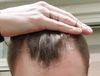
A 23-year-old is using finasteride, minoxidil, nizoral, a dermapen, rosemary oil, and peppermint oil for hair loss treatment. They are seeking feedback on their progress.
PP405 is suspected to be a scam, with users doubting its legitimacy and effectiveness. Many recommend using proven treatments like finasteride and minoxidil.
The conversation discusses the removal of Breezula phase II 12-month results by Cassiopea and the search for the original data. Concerns were raised about potential negative long-term effects on hair growth, such as androgen receptor upregulation.
Topical finasteride is believed to reduce scalp DHT more than oral forms, but its effectiveness is questioned due to inconsistent application and absorption. Oral finasteride is considered more effective because it consistently reduces systemic DHT, ensuring more reliable results.
The user experienced significant hair improvement using rosemary and peppermint oils, alongside minoxidil, after other treatments like finasteride and pyrilutamide showed no results. They noticed reduced hair shedding and thicker hair, particularly in the mid and crown areas.
The conversation is about the stability of pyrilutamide in different solutions. The user is asking if a 70/30 ethanol/pg solution with 4% water will degrade pyrilutamide.
User started with rosemary oil, then used oral minoxidil, topical minoxidil, dutasteride, RU58841, derma rolling, and keto for hair loss treatment. Significant progress was made, and others praised the aggressive approach.
The conversation discusses hair loss treatments, including dutasteride, oral minoxidil, finasteride, and potential additions like topical finasteride, minoxidil, micro-needling, and topical anti-androgens such as RU58841. The effectiveness and worth of these treatments, including localized dutasteride mesotherapy, are considered.
The conversation is about choosing effective hair loss treatments, specifically discussing RU58841, 5% minoxidil, copper peptides, microneedling, finasteride, dutasteride, and Tretinoin. The user seeks advice on the best topical treatments and prefers to use only 1-2 products.
The user discussed switching from RU58841 with Minoxidil to Finasteride due to cost, noting better physical feelings and hair growth with RU58841. They are considering returning to RU58841 and checking DHT levels after a month.
A user is seeking advice on purchasing RU58841 from Biolab Shop in Poland and is looking for trustworthy sources that deliver to Germany from Europe or China. They are interested in the product's composition and user experiences.
A user is considering combining oral and topical dutasteride to lower scalp DHT more effectively and is seeking advice on this approach. They are thinking about doing a patch test on their mid scalp.
The conversation is about alternatives to minoxidil for hair growth, as the original poster experienced chest tightness from using it. They are currently using finasteride and considering options like rosemary oil, pumpkin seed oil, and other topical treatments, but acknowledge that minoxidil and finasteride are the most scientifically supported treatments.
A 27-year-old male is using minoxidil 5% nightly and alternating between three hair serums during the day, seeking advice on whether this routine is beneficial or overly complicated. Responses suggest simplifying the routine by focusing on minoxidil, possibly increasing its concentration, and considering finasteride or dutasteride instead of multiple serums.
The conversation provides a detailed list of blood tests recommended before starting finasteride to establish a baseline for monitoring potential side effects. A shorter list is also provided for those with limited funds, and the user shares personal experience of using finasteride without issues for about nine years.
PP405 is a potential hair loss treatment undergoing trials, with discussions on its effectiveness and comparison to existing treatments like finasteride and minoxidil. There is skepticism about its status as a cure, with hopes for future advancements in genetic treatments like CRISPR.
A female user is using a 5% RU58841 solution with 5 sprays daily and is concerned about potential reactions and the impact of wearing a bonnet. A male user mentioned using 1ml of the same solution daily via dropper.
Poor diet and lifestyle contribute to male pattern baldness. Treatments like Minoxidil, dietary changes, and lifestyle adjustments may help slow hair loss.
The conversation discusses androgenetic alopecia (AGA) and questions why treatments focus on lowering DHT levels instead of building resistance to it. It also touches on hair transplantation techniques using body hair.
The conversation is about creating a topical hair loss treatment with B6, zinc, and azelaic acid, which is claimed to inhibit 90% of scalp DHT. One user is skeptical about the effectiveness of this treatment and its comparison to other treatments without side effects.
The post discusses hair loss treatments, specifically using large amounts of finasteride, minoxidil, and micro-needling. The comments suggest various other remedies, like monkey oil, rosemary oil, and biotin, while some advise to embrace baldness and focus on confidence.
The conversation is about the effectiveness of Anagain, Capixyl, Procapil, and Redensyl for hair loss, and whether anyone has experience using these ingredients, sometimes in combination with Minoxidil.
The conversation discusses hair loss treatments, focusing on the use of topical minoxidil, microneedling, finasteride, and dutasteride, while debating the role of testosterone and DHT in hair loss. It also touches on the potential liver health impacts of these treatments and the genetic sensitivity of hair follicles to androgens.
User obsessed with hair loss prevention shares collection of treatments, including oral and topical finasteride, minoxidil, dermapen, and more. Others suggest adding RU58841, laser helmet, and PRP, while some advise dropping certain treatments for long-term manageability.
Treatments used to prevent and treat male pattern baldness, the difficulty in finding a permanent cure for hair loss, and the potential financial motivations of companies not wanting to find a cure.
The conversation is about a user's progress in treating diffuse hair thinning using a topical regimen including finasteride, minoxidil, ketoconazole, microneedling, saw palmetto, collagen, and vitamins, along with lifestyle changes. The user plans to switch from topical to oral finasteride for potentially better results.
The conversation is about making homemade topical finasteride, discussing mixing it with Kirkland minoxidil and creating a solvent with alcohol, glycerin, and water. A formula suggestion includes 50% ethyl alcohol, 25% propylene glycol, and 25% distilled water.
Microneedling, comparing dermarollers and dermastamps as treatments for hair loss, and the effectiveness of each. Dermastamps are considered cheaper than dermapens, but users have varying opinions on which method is more effective with less pain.
The user is considering switching from finasteride and minoxidil to dutasteride for better hair regrowth results, as they are experiencing thinning and shedding despite current treatments. They have also tried microneedling, Clobetasol, and salicylic acid to manage scalp issues and inflammation.