People are humorously discussing unconventional and extreme methods of using hair loss treatments like finasteride and minoxidil, including vaping, snorting, and injecting. The conversation is filled with jokes and sarcasm about these methods.
The user switched from oral finasteride and topical minoxidil to oral dutasteride and minoxidil but feels their hair loss has worsened. They are also using enclomiphene for gym progress, which may be affecting their hair.
A user started taking finasteride due to increased hair shedding and sought advice on coping with the anxiety of starting the treatment. Responses included personal experiences with finasteride, minoxidil, and tips for integrating the medication into daily routines.
A 23-year-old male started using Redensyl and Aminexil, along with Tab BTN Ultra and Vitamin D3 supplements, for hair loss. He shared progress pictures after 45-50 days of treatment.
The individual has been using minoxidil for beard growth for over two years, started oral minoxidil and dutasteride six months ago, and began RU58841 three months ago, which significantly enhanced their results. They are open to answering questions about their hair loss treatment experience.
The conversation discusses using 2.5mg dutasteride, 0.5mg dutasteride with topical treatments, and other combinations like oral minoxidil, RU58841, and microneedling for male pattern baldness. Users share experiences and suggest various treatment regimens, emphasizing the effectiveness of dutasteride and minoxidil.
A 35-year-old male has been using finasteride inconsistently for two years and is hesitant about using minoxidil due to potential side effects. He is considering oral minoxidil and microneedling as alternatives and is unsure if dutasteride is too strong.
Switching from Accord to Aurobindo finasteride initially reduced hair shedding, but after three months, shedding increased again. Users discuss varying experiences with different finasteride brands, with some suggesting brand differences may not matter.
The discussion revolves around the need for future oral DHT blockers for hair loss treatment that don't have the side effects of current options like Finasteride and Dutasteride. One user suggests that the future of hair loss treatment will likely be topical anti-androgens, as they can target hair follicles without affecting the entire system.
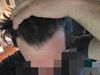
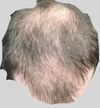
The user noticed new dark hairs growing in previously bald areas after using oral finasteride and minoxidil for a month. They are pleased with the progress and find it interesting, even though they are content with a shaved head.
The conversation is about someone experiencing hair regrowth using Minoxidil and Dutasteride, along with other treatments. They report their hairline is improving and their forehead appears smaller.
A male in his early 40s, who experienced side effects from finasteride, used 2.5% topical spironolactone for one year with no side effects but minimal regrowth. He plans to try a 5% spironolactone solution next.
A 26-year-old male showed hair improvement after 6 months of daily 0.5mg dutasteride and 5mg oral minoxidil. He thanked the tressless community and haircafe for their support.
The user has been using oral finasteride and minoxidil for hair loss but is considering switching back to topical minoxidil due to persistent scalp issues. Another user suggests an anti-inflammation regimen and oral dutasteride.
Dutasteride is associated with increased blood glucose, HbA1c, LDL cholesterol, and liver enzyme activity, potentially leading to diabetes, NAFLD, and liver metabolism changes. The conversation highlights concerns about these adverse effects and calls for more studies, including on finasteride.
A 22-year-old with advanced diffuse thinning is considering oral dutasteride after stopping finasteride due to side effects like brain fog and testicular pain. They are also contemplating a hair transplant combined with oral dutasteride and topical finasteride, noting a thick donor area.
A 26-year-old has seen hair improvement after 18 months on finasteride, with no side effects, and is considering switching to dutasteride despite difficulty obtaining a prescription. They also use dermastamping and are hesitant to try minoxidil, preferring to explore dutasteride first.
The user experienced severe scalp itching and hair loss while on dutasteride, which they linked to caffeine and masturbation. They plan to cut out both to see if their hair density improves.
Kintor Pharmaceutical's KX-826 shows promising results for hair loss treatment. Users discuss the use of anti-androgens like spironolactone and RU58841, noting concerns about concentration and safety.
A user shared progress pictures showing hair regrowth after using a homemade oral solution of 1 mg dutasteride and 2.5 mg minoxidil. Commenters noted significant improvement and increased body hair.
The user is experiencing positive results in hair regrowth using a regimen of 0.5 mg dutasteride, 5 mg oral minoxidil, ketoconazole shampoo, microneedling, and a combination of topical minoxidil with RU58841. They report no side effects and express gratitude for the support and inspiration from the community.
Fluridil degrades androgen receptors, which are prevalent in the scalp and other tissues. People with androgenetic alopecia (AGA) may have higher expression of these receptors and 5AR activity in affected scalp areas.
The conversation is about using finasteride and testosterone replacement therapy (TRT) for hair loss and their role in gender-affirming care. It debates whether these treatments are considered hormone replacement therapy (HRT) and their implications for both cisgender and transgender individuals.
A user received brand name Avodart instead of generic dutasteride for a lower price. Another user mentioned experiencing depression as a side effect but prefers having hair.
Pyrilutamide is a selective AR antagonist with a high binding affinity, making it effective in competing with DHT for androgen receptors. The 1% concentration is more effective than the 0.5%, but the latter may suffice for mild hair loss; the drug is considered a good option for those avoiding 5AR blockers due to side effects.
Finasteride and dutasteride are discussed for hair loss, with concerns about their effects on neurosteroids and potential side effects like depression. Alternatives like topical estrogen and lifestyle changes are considered, with varying opinions on mental health and hair regrowth.
The conversation humorously discusses hair loss treatments, including Minoxidil, finasteride, RU58841, and topical 17 alpha estradiol, with some users joking about transitioning to female to avoid baldness. The overall tone is satirical, emphasizing self-acceptance and the lengths people might consider for hair restoration.
Aminexil is similar to Minoxidil but less effective and not widely used, with some users reporting minor regrowth. It is not FDA-approved and has been removed from some products, though some people still use it, often in combination with Minoxidil.