Shiseido's hair loss treatment reported only 5% regrowth, disappointing many. Users discussed other treatments like Minoxidil, finasteride, RU58841, and CB-03-01 as potential alternatives.
The conversation discusses hair regrowth progress using finasteride, oral minoxidil, dermarolling, scalp massages, and Nizoral shampoo. Users share experiences and suggest additional treatments like dutasteride, pyrilutamide, caffeine shampoo, rosemary oil, and red light therapy.
The user is using RU58841, Revivogen, Regenepure ketoconazole shampoo, and plans to use a stimufield cap to address hair loss. They aim to avoid finasteride and minoxidil while hoping to stop hair loss and regrow hair.
Users are experiencing increased hair shedding despite using treatments like dutasteride, finasteride, minoxidil, hair vitamins, and DHT shampoo. Some note this happens seasonally, while others are concerned their treatments are no longer effective.
A 23-year-old experiencing diffuse hair thinning has chosen a treatment stack including topical finasteride, a blend of rosemary, peppermint, and pumpkin seed oils, procyanidine B2 spray, ketoconazole shampoo, and scalp massages. They avoid minoxidil due to family history of side effects and oral finasteride due to high estrogen levels.
Ketoconazole shampoo is primarily used to reduce scalp fungus and inflammation, not to block DHT or androgen receptors. It may help with seborrheic dermatitis and improve scalp health, but its effects on hair loss are minimal compared to treatments like finasteride.
The new OGX thick and full shampoo formula makes hair poofy and soft, ruining its previous thickening effect. The user is seeking old bottles of the original formula.
The conversation discusses a 3-month update on using topical minoxidil, finasteride, microneedling, and ketoconazole shampoo for hair loss. Users express amazement at the progress and congratulate the original poster.
The user is frustrated with ongoing hair loss despite using treatments like dutasteride, finasteride, and minoxidil, and is considering shaving their head. They are advised to maintain consistency with medication, consider oral minoxidil, and explore hair transplant options.
A 24-year-old started losing hair at 17 and began treatment with Dutasteride, Minoxidil, Biotin, and Saw Palmetto shampoo in November 2023. After initial success, hair shedding resumed, leading to concerns about treatment quality and effectiveness; the user plans to consult a dermatologist and consider buying medications directly from a pharmacy.
A 31-year-old experiencing rapid hair loss is considering whether to shave their head or use treatments. They were prescribed B12, topical finasteride 0.1%, and minoxidil 10% but are unsure about the correct dosage and potential side effects.
Topical antihistamine creams, like diphenhydramine, are being considered for scalp inflammation and itchiness as an adjunct to standard hair loss treatments like minoxidil and finasteride. The user is cautious about oral antihistamines due to potential side effects and is exploring topical options.
Minoxidil can cause scalp itchiness, often due to propylene glycol, and users suggest alternatives like foam formulations without PG, using moisturizing oils, or reducing application frequency. Some recommend ketoconazole or zinc pyrithione shampoos to help with inflammation and itchiness.
Epibiotech will offer off-the-shelf allogeneic hair multiplication treatment in South Korea, using dermal papilla cells from donors to grow hair in balding areas. This method is cheaper and less invasive than traditional hair transplants.
Hair loss treatments discussed include Minoxidil, Finasteride, and RU58841. HMI-115, a monoclonal antibody drug, is in phase 1 and 2 trials for different conditions, but its availability on the gray market is unlikely due to high production costs.
Hair loss discussion includes treatments like Minoxidil, Finasteride, and RU58841. Users share experiences and support, mentioning that many people face hair thinning.
A 25-year-old male using Dutasteride, oral Minoxidil, and Ketoconazole shampoo is experiencing increased hair shedding and vellus hair growth along the hairline. Concerns are raised about whether this is a seasonal shed or a potential setback.
The post criticizes a company falsely claiming finasteride and minoxidil are ineffective after 6-8 months to sell their expensive, ineffective shampoo. The recommended treatments for hair loss are finasteride, minoxidil, low dose oral minoxidil, dutasteride, microneedling, and ketoconazole shampoo.
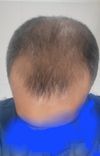
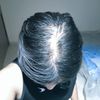
The user is experimenting with GHK-Cu and AHK-Cu to stop hair loss and promote hair growth, using a serum from Etsy and injectable GHK-Cu. They supplement this with dermastamping and ketoconazole shampoo.
A user shared their 6.5-month experience with topical finasteride (2%) and minoxidil (5%), noting initial progress followed by a significant shedding phase. Others in the conversation reassured that shedding is normal and suggested staying consistent with the treatment for potential regrowth.
The conversation is about finding an alternative ketoconazole shampoo to Nizoral due to its strong smell, with suggestions including Intelligent shampoo and Sons brand. The discussion also touches on the effectiveness of ketoconazole for dandruff and hair loss, with some users recommending prescription options for higher concentrations.
The conversation discusses hair loss treatments, specifically using finasteride, minoxidil, and Nizoral. It also explores the potential impact of whey protein and BCAA on hair shedding, with users considering dietary changes to manage hair loss.
The conversation is about the availability of gt20029 for hair loss treatment, indicating that it will not be available for purchase soon. No specific treatments were discussed.
A new company is introducing a topical treatment combining Minoxidil, Finasteride, and Bimatoprost for hair loss. Users are also inquiring about updates on a minoxidil-enhancing shampoo from Applied Biology.
![[GHK-Cu+AHK-Cu experiment] Stopping hair loss and promoting hair growth](/images/assets/a2fe9e48-31eb-4e92-a763-614a7d32f7cd/small/20559.jpg)