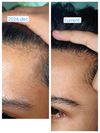
The user is experiencing excessive hair thinning and is unsure of the cause. They are seeking opinions on treatments like Minoxidil, finasteride, and RU58841.
User shared 15-month results using finasteride and minoxidil, showing no loss but minimal growth, considering a hair transplant. Replies suggest starting treatment earlier, continuing current treatment, or getting a transplant.
The user Consistent-Gene1334 shared their positive results in regrowing hair by using topical minoxidil and oral finasteride. Other users in the conversation praised the results and discussed the effectiveness of these treatments for diffuse thinning.
A 22-year-old user experienced positive hair regrowth after 11 weeks using a spray containing 0.3% finasteride, 7% minoxidil, 2.2% ketoconazole, and 0.2% biotin. They reported initial side effects like scalp tingling and brief testicular pain, which subsided, and are considering switching to finasteride pills and a different minoxidil brand for cost reasons.
A user shared progress pictures showing significant hair regrowth after using finasteride and minoxidil for six months. Other users discussed their varied experiences with these treatments and offered additional advice.
Whether topical caffeine can be as effective for hair growth as minoxidil and finasteride, with various replies discussing the efficacy of these treatments and criticism of Dr. Huberman's research methods.
A woman experiencing hair loss due to high testosterone and low vitamin D is using treatments like Dutasteride, Rogaine, zinc, ketoconazole shampoo, dermastamp, iRestore, multivitamins, scalp massager, and vitamin D. She plans to switch to oral Minoxidil under medical supervision.
A 24-year-old male started using finasteride, minoxidil, biotin, and vitamin D for hair loss but noticed worsening thinning and white patches on his temples. He seeks advice on improving his regimen, which includes topical minoxidil and a shampoo for seborrheic dermatitis.
User experienced good results with topical finasteride, noting reduced DHT and increased testosterone. They plan to revert to a lower dosage after observing slight libido reduction.
The user is experiencing hair thinning and has a vitamin D deficiency, which they suspect might be causing the issue, but they are also considering androgenic alopecia (AGA) as a cause. They are currently using minoxidil and are unable to get finasteride prescribed, while others suggest addressing the vitamin D deficiency and consulting a dermatologist.
The conversation is about using 1mg finasteride and 5% topical minoxidil for hair loss, along with a dermaroller, Alpecin caffeine shampoo, and Nizoral shampoo. Users express optimism about the potential improvement in hair density.
A 26-year-old male experienced hair regrowth using finasteride, minoxidil foam, and micro-needling over 2-3 months, with significant improvement in the crown, sides, and temples, but less in the hairline. He noted side effects like fluid retention in the ankles and weight gain but no change in libido.
The user experienced significant hair regrowth using 1.25mg finasteride daily and 5% topical minoxidil nightly, with no major side effects or shedding. The progress is evident, especially around the temple area, and the user is hopeful for continued growth.
A user is starting a hair loss treatment with Minoxidil (5 mg oral and 10% topical), Dutasteride, and Zinc, and is concerned about the high dosages. Other users suggest following the dermatologist's advice, starting with topical treatments, and discussing dosage concerns with the doctor.
Minoxidil and finasteride are effectively improving hair growth, with the user experiencing significant progress in less than two months using topical minoxidil and occasionally finasteride. The user also incorporates wild hair growth oil, tea tree oil, and dermastamping into their routine.
The user experienced significant hair shedding initially but saw progress after 8 months using 1.25 mg of oral finasteride and minoxidil. They noticed increased hair growth on their eyelashes, eyebrows, and body, and considered increasing the dosage but decided to maintain the current regimen.
Minoxidil helped with temple regrowth, and finasteride improved overall hair appearance and stopped further hair loss. Minoxidil was also applied to eyebrows and eyelids, with noticeable gains, but was stopped on the beard due to bloating.
A 19-year-old male has been using oral finasteride and topical minoxidil since December, with initial success, but has experienced hair thinning and loss since May. Despite using microneedling and tretinoin cream to enhance minoxidil, his dermatologist advised using only minoxidil, causing concern about worsening hair loss.
A 23-year-old is experiencing hair thinning and has switched from topical minoxidil to a Hims finasteride/minoxidil combo with vitamins, feeling more confident and seeing progress. They seek opinions on their progress, noting minimal side effects and aiming for significant improvement by months 6-8.
Prolactin and cortisol are identified as key factors in hair loss, with stress hormones impacting hair shedding. Finasteride and minoxidil are effective treatments, while DHT's role and individual sensitivity are significant factors.
A user experienced high estrogen levels after 10 months of taking 1mg oral finasteride but is happy with hair regrowth. They are considering switching to topical finasteride and are also taking DIM and Zinc supplements.
Oral minoxidil treatment increased hair density and shaft caliber in AGA patients. Side effects included hypertrichosis and lower extremity edema, with younger patients experiencing fewer side effects.
A 25-year-old male experiencing diffuse thinning is advised to address high TSH levels and low iron, and consider treatments like finasteride. Weight loss and improved diet are also suggested to potentially help with hair health.
TurboMoe has been using 1mg finasteride and 2mL minoxidil daily for 6 months to reverse his frontal hair loss, with good results. He previously used finasteride in his 20's but stopped before having children due to low sperm count; he stayed off it until his last child was born.
A 22-year-old male experienced significant hair regrowth after five months using 1mg finasteride and 5mg minoxidil, with plans to switch to dutasteride. He reported emotional changes and thicker eyebrows and eyelashes as side effects.
The user experienced hair thinning and used microneedling, DHT blocking shampoo, and Biotin DHT blocking oil to address it, avoiding finasteride and minoxidil unless necessary later. They reported mild improvement but received mixed feedback, with some suggesting other conditions or treatments like ciclopirox shampoo.
The conversation discusses hair loss treatments for a woman experiencing androgenetic alopecia and seborrheic dermatitis, with suggestions including low-dose oral minoxidil, dutasteride, and hormone replacement therapy. The user is seeking advice due to intolerance to spironolactone and topical minoxidil, and concerns about low testosterone and DHT levels.
The user is discussing hair regrowth after 7 months of using topical minoxidil and RU58841, with some microneedling. They are hesitant to switch to finasteride or dutasteride and are seeking input on whether there is new growth or just more miniaturization.
The conversation discusses a user's positive experience with hair regrowth using topical finasteride, minoxidil, and microneedling after 2.5 months, noting initial shedding but improved hair density, especially at the temples, possibly eliminating the need for a hair transplant. The user is satisfied with the current treatment and is hesitant to try the experimental drug RU58841, hoping the current routine will suffice for further improvements.
Androgenic alopecia (AGA) might have evolved to reduce prostate cancer risk by increasing UV exposure to the scalp, but this theory is debated. Treatments like minoxidil and finasteride are used for AGA, though the exact causes and evolutionary reasons for hair loss are unclear.