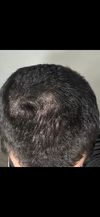
Procapil is marketed as a natural hair loss treatment but lacks strong evidence and is industry-biased. Minoxidil and Finasteride are the only FDA-approved treatments for androgenetic alopecia.
The conversation discusses using Minoxidil with Tretinoin and Fexofenadine for hair loss. Some users doubt its effectiveness, noting Fexofenadine's unproven results for androgenetic alopecia.
Clascoterone in Winlevi, a topical AR antagonist, is being re-examined due to concerns about HPA axis suppression in adolescents, but it's unlikely to be banned for adult use in androgenetic alopecia (AGA). The European Medicines Agency recommended refusing Winlevi for acne vulgaris, but this may not affect Breezula's approval for AGA.
PP405 and GT20029 are new hair loss treatments with different mechanisms from traditional options like Minoxidil and Finasteride. PP405 targets hair follicle stem cells to reactivate growth, while GT20029 works as an androgen receptor deleter, both requiring ongoing use for effectiveness.
A 20-year-old is experiencing hair thinning due to vitamin D deficiency and has completed a vitamin D prescription without seeing improvement. Suggestions include waiting a few months for potential regrowth or considering treatments like minoxidil or finasteride for androgenetic alopecia.
OP experienced significant hair regrowth after recovering from iron deficiency anemia and starting minoxidil. They suspect anemia contributed more to their hair loss than androgenetic alopecia (AGA).
RU58841 worsened hair condition, causing thinning and unusual patterns. The user stopped using it two months ago but hasn't seen recovery, and there's speculation about androgen receptor upregulation.
The user is using a mix of supplements, including Minoxidil, to address androgenetic alopecia and is concerned about zinc dosage potentially causing issues. They plan to discuss their treatment and supplement regimen with a dermatologist.
Switching from spironolactone to bicalutamide caused severe hair shedding, despite using treatments like dutasteride, minoxidil, and estradiol injections. The user is experiencing androgenetic alopecia and is seeking solutions to stop the hair loss.
Kintor Pharmaceutical's KX-826 shows promising results for hair loss treatment. Users discuss the use of anti-androgens like spironolactone and RU58841, noting concerns about concentration and safety.
A 15-year-old is experiencing hair loss and has tried rosemary and jojoba oils without success. They are advised to see a doctor for thyroid and androgen tests and consider using Minoxidil.
A 19-year-old is seeking advice on reversing hair loss without a transplant, currently using oral finasteride and topical minoxidil. A suggestion was made to switch to dutasteride and use a stronger minoxidil, with the addition of a topical anti-androgen after three months.
A 30-year-old woman experiencing rapid hair loss is using 5% Minoxidil, Saw Palmetto, vitamins, and Nizoral, but is advised to see a dermatologist as her symptoms may indicate a condition other than androgenetic alopecia, such as alopecia areata or a thyroid issue. Many suggest a biopsy and blood tests to determine the underlying cause.
The conversation is about receiving a shipment of Koshine, also known as Kintor, which is an anti-androgen treatment for hair loss. The user is eager to try the KX-826 product and observe its effects and any side effects.
A 21-year-old is using Dualgen-5R (minoxidil and tretinoin) and weekly dermarolling to address hair loss, noticing some progress after three months. They plan to add an anti-androgen like RU58841 or Kx826 for better long-term results.
The user experienced minor hair regrowth after three months using chewable minoxidil and finasteride, but had to stop dutasteride due to severe side effects. They added topical minoxidil and microneedling to their routine and are considering topical anti-androgens for further improvement.
Elevated bile acids can inhibit the enzyme AKR1C2, leading to increased DHT levels, which may accelerate hair loss in those predisposed to androgenetic alopecia. Treatments mentioned include topical minoxidil and finasteride.
The user experienced side effects from daily finasteride and reduced the dosage to 0.25mg twice a week while continuing minoxidil. They are considering topical anti-androgens but are concerned about application difficulties and potential side effects.
Despite using dutasteride, RU58841, minoxidil, and ketoconazole for years, the user continues to experience severe hair loss and thinning. They seek advice after multiple dermatologists confirmed androgenetic alopecia (AGA) but offered no effective solutions.
The "DHT itch" is real and likely due to inflammation at the hair follicle, exacerbated by increased testosterone or androgens. Treatments mentioned include dutasteride, minoxidil, finasteride, and various topical solutions.
Users discuss whether Koshine reduces sebum and scalp itchiness. Some report reduced sebum and seborrheic dermatitis, while others debate the effectiveness of anti-androgens like RU58841 for hair loss.
KOSHINE826 is a new anti-hair loss and hair growth solution that claims to effectively control oil, reduce hair fall, and promote real hair growth. It targets androgenetic alopecia by inhibiting DHT and has shown promising results in clinical trials.
A new hair loss treatment, Pyrilutamide, has been released and is claimed to be a strong anti-androgen, potentially effective when used with finasteride. However, there are mixed opinions on its effectiveness and safety, with some users skeptical and others purchasing it.
A user is seeing good results with RU58841 for hair loss, noting reduced shedding and thicker hair. They plan to use pumpkin seed oil as a solvent to avoid water content, which they believe reduces the effectiveness of anti-androgens.
The conversation is about choosing between Ketoconazole/Nizoral 1%/2% or selenium for dandruff. The user also mentions starting finasteride soon for androgenetic alopecia.
A user experienced significant hair shedding after starting dutasteride, questioning if it's due to the treatment or rapid progression of androgenetic alopecia. They previously used Rogaine and biotin for over 10 years.
The conversation is about using Ketoconazole shampoo for hair loss, with users discussing leaving it on the scalp for longer periods. Some users report benefits for dandruff, but there's uncertainty about its effectiveness for androgenetic alopecia (AGA).
The conversation is about the results of using hormone replacement therapy (HRT) with estrogen and finasteride for hair loss, and switching from finasteride to bicalutamide as an anti-androgen treatment. The user shared before and after photos to discuss the effectiveness of these treatments.
Topical Vitamin D3 may stimulate hair growth and has been used for Alopecia Areata. There is a question about the lack of research on its use for Androgenetic Alopecia (AGA).
Amino acids like lysine, methionine, and cysteine may help with androgenetic alopecia when taken in high doses along with a DHT blocker. Users discuss combining these with treatments like Minoxidil, finasteride, and RU58841.