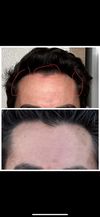
Finasteride and dutasteride have potential risks, including post-finasteride syndrome, but are commonly used for hair loss. RU58841, minoxidil, and needling are suggested as alternatives, though all treatments carry risks.
Genetic variations influence how people respond to dutasteride for hair loss, with some benefiting more from finasteride. Dutasteride is effective for most, but genetic differences may cause it to be less effective for some.
A user suggests making a potent sulforaphane topical to degrade DHT and promote hair growth. Another user notes that sulforaphane's low molecular weight might also lower systemic DHT.
Finasteride and Dutasteride do not cause dry eyes by damaging meibomian glands, as these glands continue to function normally even when DHT is blocked. Some users report dry eyes with these medications, but others suggest supplements like Omega-3 or krill oil as potential remedies.
The conversation discusses the side effects of finasteride, including low libido and erectile dysfunction, and the possibility of these effects being permanent, known as post-finasteride syndrome (PFS). Some users report personal experiences with PFS and debate whether the condition is real, with varying opinions on the reversibility of side effects and the role of individual biology.
The user is experiencing hair loss despite using estradiol, bicalutamide, dutasteride, and topical minoxidil. They stopped minoxidil temporarily, which worsened their condition, and are considering oral minoxidil but are concerned about side effects and cost.
The conversation is about choosing an additional topical treatment for hair loss, with options being fluridil, topical spiro, or alfatradiol, alongside existing treatments like dutasteride, oral minoxidil, latanoprost, and RU58841. Opinions vary on the effectiveness of adding these topicals, with some suggesting RU58841 is sufficient.
Finasteride and dutasteride may not significantly impact meibomian gland function since these glands do not rely on DHT. Some users report dry eyes and other side effects from finasteride, but these may be influenced by other factors or medications.
Reducing sebum can indirectly lower DHT levels, with treatments like accutane, tretinoin, and green tea extract acting as DHT blockers. Accutane can lower DHT levels by reducing 5α-reductase activity, but its impact on hair varies.
Accutane may accelerate hair loss in genetically predisposed individuals by affecting enzymes related to DHT metabolism. Some users report hair loss after taking Accutane, while others use treatments like finasteride and minoxidil to manage hair loss.
Elevated bile acids can inhibit the enzyme AKR1C2, leading to increased DHT levels, which may accelerate hair loss in those predisposed to androgenetic alopecia. Treatments mentioned include topical minoxidil and finasteride.
The user switched from finasteride to dutasteride for hair loss treatment, but experienced increased libido, itchy scalp, and accelerated hair loss. Another user suggested that genetic variations might cause dutasteride to be less effective and recommended checking for specific genetic markers.
A user has been using minoxidil for hair loss and has seen positive results, but is seeking additional treatments to enhance its effects. One suggestion given is to use finasteride alongside minoxidil.
Hair loss theories discussed include poor blood flow, scalp tension, inflammation, and DHT. Treatments mentioned are massaging scalp, minoxidil, finasteride, and RU58841.
The post and conversation are about the role of the enzyme 3alpha-hydroxysteroid reductase in hair loss and the potential of compounds like procyanidin B2 and sulforaphane to boost its activity for hair regrowth. Further research is needed to develop effective treatments based on this theory.
The user reversed male pattern baldness using a pro-thyroid diet, lifestyle changes, and scalp stimulation exercises, without Minoxidil or Finasteride. They reported reduced dandruff, itchiness, oiliness, and experienced hair regrowth and thickening over 15 months.
Finasteride and Nizoral shampoo with Ketoconazole are used for hair loss treatment. Liquid Chromatography–Mass Spectrometry (LC-MS) is recommended over Enzyme-Linked Immunosorbent Assay (ELISA) for more accurate DHT testing.
Finasteride is key for hair regrowth, supported by oral/topical minoxidil, Folexin, Nizoral/Head & Shoulders, and vitamin D. No side effects experienced; early intervention and patience are crucial.
The user shared their experience with hair loss treatments, including oral and topical Finasteride and Minoxidil, and detailed various blood test results to track hormonal changes. They noted that while DHT levels initially decreased with topical Finasteride, they later increased, but they observed positive results in hair growth.
A person has been using 1mg Finasteride for 20 years with no side effects but is now noticing temple thinning and is considering oral Minoxidil, despite concerns about heart health and body hair growth. They are consulting a doctor about possibly taking 1.25 to 2.5 mg of oral Minoxidil.
Finasteride users may have an increased risk of depression, anxiety, and suicidal thoughts, though some attribute these issues to hair loss itself. The link between finasteride and mental health effects is debated, with varying user experiences.
Finasteride may help users look younger by suppressing DHT, affecting skin and hair. Users also emphasize skincare, sunscreen, and lifestyle for maintaining a youthful appearance.
DHT affects hair follicles, contributing to hair loss, but the exact mechanism is unclear. Treatments like finasteride and minoxidil are used to manage hair loss, though they may have side effects and varying effectiveness.
Gut microbiota significantly influences androgen metabolism, impacting hair loss treatments like finasteride. Probiotics, dietary changes, and fecal microbiota transplants may help manage DHT levels and improve hair health.
An 18-year-old is using a high-dose hair loss treatment with 40mg daily dutasteride, finasteride, minoxidil, tretinoin, and topical bicalutamide. Despite health risk concerns, especially liver issues, they report hair regrowth progress and intend to continue the regimen.
Dutasteride is less commonly prescribed for hair loss because it is not FDA-approved for this purpose, unlike finasteride, which is more accessible and preferred due to fewer side effects. Dutasteride may be more effective in reducing DHT but has a longer half-life and potentially more significant side effects.
The conversation humorously discusses hair loss treatments like Minoxidil, Finasteride, and Dutasteride, and their effects on hair and muscle gains. Users debate effectiveness and side effects, mixing scientific approaches with jokes.
Some people claim Dutasteride worsened their hair loss, causing concern among users. Reasons suggested include initial shedding phases, incorrect attribution to Dutasteride when other factors are involved, genetic variations affecting drug response, and the possibility of non-authentic medication.
The conversation compares Finasteride and Dutasteride for hair loss treatment, discussing their effectiveness and side effects. Users share personal results and consider combining treatments like Dutasteride with RU58841.