Search
for
Sort by
Community Join
210-240 / 1000+ resultscommunity Je peux utiliser ce produit seul comme solvant pour dilluer mon finasteride ?
OP asked if a product from Amazon is sufficient to dilute finasteride. A user advised against using propylene glycol alone, suggesting a pre-made solution instead.
community Custom topicals: Does anyone here mix their own topical?
The conversation is about creating a custom hair loss treatment by mixing Kirkland Minoxidil with latanoprost, sandalore, valproic acid, and RU58841. The user is seeking suggestions or advice on this mixture.
community Is there a spray that has fin/min/ru combined?
The user is seeking a topical spray combining finasteride, minoxidil, and RU58841 or dutasteride due to side effects from oral treatments. They believe an all-in-one topical solution would be easier for long-term use.
community How to use redensyl hair serum?
The conversation is about the correct usage of a hair serum containing redensyl, procapil, capixil, and baicapil. The user is seeking advice on the amount to apply and whether washing hair after application is necessary.
community Sandalore (Givaudan) concentration application
The conversation discusses using Sandalore for hair loss treatment, with a focus on finding the correct concentration for a topical lotion. The consensus is to start with a 0.1% concentration due to potential scalp irritation at higher levels.
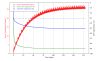
community Research Backed Dutasteride Simulator (Serum/scalp DHT included for all doses)
A Dutasteride Simulator predicts serum dutasteride, serum DHT, and scalp DHT levels using models from research papers. It simulates various dosing schedules to determine steady-state effects and visualizes outcomes, including hair growth-related scalp DHT suppression.
community Finally live! alcohol-free, propylene glycol–free topical finasteride foam
A new alcohol-free, propylene glycol-free topical finasteride foam is available for prescription in Canada and the USA, offering a cleaner alternative for hair loss treatment. The product also offers a combination of 0.1% finasteride with 5% minoxidil and aims to be affordable and less irritating for sensitive scalps.
community Making an all in one topical: is it possible and has anyone done it?
A user is considering creating an all-in-one topical solution for hair loss, combining 0.25mg finasteride, 5% minoxidil, and 5% RU58841. They are seeking advice on its feasibility and absorption.
community Is this too much powder not dissolving (DIY topical finasteride
community Making topical Fin without Minoxidil
A user is asking if they can make topical finasteride using just water or isopropyl alcohol, as they don't have access to minoxidil or other ingredients. They have 1mg finasteride pills and are seeking advice on how to use them topically.
community Any treatment not nuking systemic DHT levels?
Hair loss treatments that avoid significantly lowering systemic DHT levels, focusing on topical options like dutasteride mesotherapy, minoxidil, and ketoconazole. The user is exploring alternatives like KX-826 and RU58841 due to concerns about hormone levels.
community DIY GHK-CU hair growth serum, help
community What’s a good carrier for GHK-Cu or AHK-Cu peptides to penetrate skin?
Copper peptides for hair loss, discussing carriers for skin penetration and recommending a product from Amazon.
community Best way to apply liquid topicals (minoxidil, RU58841 solution, etc) especially for thick or long hair, diffuse thinning
Using a blunt tip syringe is an effective method for applying liquid topicals like minoxidil and RU58841, especially for those with thick or long hair experiencing diffuse thinning. The user found significant hair regrowth and increased density after using these topicals for less than three months.
community Alfatradiol as a base for Topical Finasteride
User creates 0.1% topical finasteride solution using Alfatradiol Avixis base. Seeks help to ensure alfatradiol base dissolves finasteride.
community Thinking of crushing bicalutamide/spiro or any other test suppressant in my topical fin min mix. What do yall think?
The conversation is about adding crushed bicalutamide or spironolactone to a topical mix with finasteride and minoxidil to suppress testosterone in hair follicles, similar to what RU58841 does. The user cannot obtain RU58841 in their country and is seeking advice on this alternative approach for hair loss treatment.
community Topicals for sensitive scalp (+sed derm)
community DIY topical finasteride ingredients
The conversation is about creating a DIY topical finasteride solution using ethyl alcohol and propylene glycol. A user suggests using a compounding pharmacy instead.
community Are these a good on, what’s your opinion?
Progesterone, hydrocortisone butyrate, and estrone base are discussed as treatments for hair loss. Topical progesterone and dutasteride are suggested to potentially reverse androgenic alopecia.
community What to dilute Finasteride with?
Diluting finasteride in a Hims spray can be done using ethanol or propylene glycol to maintain the desired concentration without increasing minoxidil levels. This approach ensures the finasteride concentration is reduced to 0.025% without affecting the minoxidil strength.
community Has anyone tried hair+me topicals? (UK)
The user is trying Hair + Me's 5% minoxidil and 0.1% finasteride topical, which has a different carrier and pleasant smell compared to traditional alcohol-based formulas. They are seeking feedback on its effectiveness compared to classic formulas.
community Topical Finasteride that doesn’t go systematic is the cure
Topical finasteride that doesn't penetrate the skin could potentially treat hair loss without side effects. Current challenges include finding a formulation that remains on the scalp without increasing blood levels.
community Suspicious about my dermatologist
A 17-year-old is concerned about hair loss and questions his dermatologist's advice against using finasteride due to age. The dermatologist recommended a serum with aloe vera, saw palmetto, biotin, and dexpanthenol, but the user is skeptical and considers using minoxidil instead.
community Can you mix the Ordinary's Multi-Peptide Serum with Finasteride?
The conversation is about whether the Ordinary's Multi-Peptide Serum for hair density can be mixed with finasteride. A video was mentioned that shows the serum being mixed with Stemoxydine.
community Good lord! Serioxyl stemoxydine smells TERRIBLE
The conversation is about a user complaining about the strong smell of a stemoxydine serum used for hair loss. Other users suggest that the product might be counterfeit due to its unpleasant odor.
community OND-1 "Cyclosporine A” New hair loss treatment
Orient Bio is developing a PLGA formulated version of Cyclosporine A to stimulate hair growth without its immunosuppressant effects. Users discuss various treatments like Clascoterone, PP405, minoxidil, and tacrolimus, expressing hope for new developments and sharing personal experiences with these treatments.
community Topical Dutasteride - Non-Hormonal, Side Effect Free 5ARI?
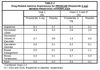
Topical dutasteride is suggested as a low side-effect treatment for hair loss, with a proposed dose of 0.025% 1ml/day. It is considered better than finasteride due to its even inhibition of DHT isoforms and lower systemic absorption.
community Has anyone done research on Absci's AI‑driven antibody platform? Seeking your thoughts!
A user is interested in Absci's AI-driven antibody platform, ABS-201, for treating androgenetic alopecia, which shows promising preclinical results and potential for hair regrowth and pigmentation restoration. However, concerns are raised about the drug's development timeline and its advantages compared to existing treatments.