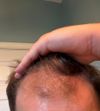
The user shared progress in hair regrowth using finasteride, minoxidil, a dermaroller, hair/nails gummies, and rosemary oil. They expressed gratitude for the support from the group and relief about their appearance for an upcoming wedding.
A user is concerned that using rosemary oil after microneedling might cause gynaecomastia due to increased absorption and potential DHT blocking. Other users believe rosemary oil is unlikely to affect hormones or cause gynaecomastia.
The conversation is about the use and application of CB-03-01-2 (Breezula) for hair loss, including questions about its form, how to apply it, and the duration 10g would last. Specific treatments discussed are Minoxidil, finasteride, and RU58841.
A user is experiencing temple hair recession and is seeking alternatives to finasteride. They are considering castor oil, coconut oil, and derma rolling, and have seen some improvement with Zenegen.
Rosemary oil is claimed to slow hair loss and improve hair thickness, but its effectiveness is debated, with some users preferring proven treatments like minoxidil and finasteride. Lifestyle factors and consistent use are suggested to enhance results, though skepticism about natural remedies remains.
The conversation is about finding a source for RU58841 as a substitute for finasteride for hair loss treatment. Suggestions include Amazon and Anageninc.com.
User shared 18-month progress using 1 mg finasteride daily and varying doses of oral minoxidil. Minoxidil caused side effects managed with taurine, dandelion root, sauna, and collagen.
A 21-year-old has been using 0.4mg finasteride and 1mg oral minoxidil (increased to 2mg) for 9 months with no noticeable hair growth and worsening hair condition. They are considering stopping finasteride due to side effects and are seeking advice on other treatments.
Hair loss treatment with Fin/Min/Niz/Microneedling showed great results in 100 days. User suggests adding topical rosemary oil and oral castor oil for extra benefits.
The conversation discusses hair loss treatments, specifically Brassica oleracea extract, glucosinolates, and sulforaphane, and their potential to promote hair growth. Users also mention minoxidil and finasteride as existing treatments.
A user is considering a non-alcohol based Minoxidil product for hair loss, which includes ingredients like caffeine, saw palmetto, glycerin, and various oils. They are seeking opinions on its effectiveness due to a sensitive scalp.
A 23-year-old woman with androgenetic alopecia (AGA) is using minoxidil, rosemary oil, and dermastamping for hair loss, and is concerned about the effectiveness of minoxidil. She follows a detailed hair care routine and takes supplements like inositol, magnesium, saw palmetto, iron, multivitamins, vitamin D, and B12.
A dermatologist prescribed methionine with vitamins for hair loss, but the user is doubtful and plans to seek finasteride in France. The user is unsure why finasteride or minoxidil wasn't prescribed, suspecting concerns about side effects or strength.
Coconut oil may act as a natural conditioner but can clog pores, while castor oil might promote hair growth and help with dandruff. Users suggest trying lighter oils like apricot or grapeseed for better results.
The conversation is about a user experiencing hair shedding after using a brand of RU58841, questioning its effectiveness and safety. Concerns are raised about RU58841 being an abandoned research chemical and the use of heavy oils like castor and argan oil potentially affecting absorption.
Hair loss treatments and celebrity hair maintenance, mentioning finasteride, minoxidil, RU58841, biotin, ketoconazole, saw palmetto, dutasteride, and Nutrafol. The tone is satirical, speculating on celebrities' use of hairpieces and transplants.
Oral finasteride is recommended over topical finasteride for men in the Indian subcontinent, with no reported side effects. Minoxidil and dermarolling are also suggested, while dietary supplements and topical finasteride are deemed less effective.
A user is seeing good results with RU58841 for hair loss, noting reduced shedding and thicker hair. They plan to use pumpkin seed oil as a solvent to avoid water content, which they believe reduces the effectiveness of anti-androgens.
User shared progress pictures showing hair growth from January to March using 1mg finasteride, topical minoxidil with peppermint oil, derma stamping twice a week, and biotin. Commenters are impressed with the quick and significant improvement.
The user experienced anxiety and side effects from topical finasteride and is considering switching to saw palmetto. Another user reported no improvement with saw palmetto and experienced liver issues.
The user experiences side effects from minoxidil and is considering alternatives like stemoxydine and adenosine for hair regrowth and density, but finds options like caffeine and various oils unreliable. They are also using a 5AR inhibitor (finasteride).
Treating hair loss with various remedies, such as Cetirizine and the Big3 complex (minoxidil, finasteride, and RU58841), which have properties like adipogenic, anti-fibrotic and anti-inflammatory. References to research studies are also included.
The user has been treating hair loss with finasteride, dutasteride, oral minoxidil, and pyrilutamide for several years without success and is experiencing an inflamed scalp, possibly due to seborrheic dermatitis. They are seeking advice on additional treatments after these methods failed to improve their condition.
Ashwagandha is used to reduce stress and improve sleep, while finasteride is taken for hair loss. Users report positive effects from ashwagandha and mixed results from finasteride, with some experiencing a slight dip in libido.
Soy consumption may help prevent androgenic alopecia, but it can decrease sexual drive in some men. There is a connection between soy and androgenic alopecia, suggesting a potential protective effect.
The conversation discusses using liquid cetirizine as a topical treatment for hair loss. It mentions Minoxidil, finasteride, and RU58841 as other treatments.
The treatment for androgenetic alopecia involves using finasteride and minoxidil with intense exercise and cold exposure to boost metabolism and reduce androgenic effects, potentially leading to hair regrowth. This approach may activate biological pathways for improved hair and overall health.