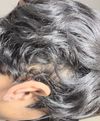
A 19-year-old has been using finasteride, minoxidil, and microneedling to treat hair loss with no regrowth, feeling mentally affected by it. Advice given includes continuing treatment, considering a hair transplant, addressing potential vitamin deficiencies, and possibly switching to dutasteride or adding ketoconazole shampoo.
A user shared their 11-year journey with alopecia, using finasteride, dutasteride, and a hair transplant. They encouraged others not to panic, noting that hair miniaturization can take over 15 years to complete.
A user shared their successful hair loss treatment using 1.25mg finasteride daily, 2.5mm microneedling every 1-3 weeks, zinc pyrithione shampoo, occasional scalp massages, and 40% glycolic acid on temples. They reported significant progress over 21 months.
The conversation is about people with advanced hair loss (Norwood 6 or 7) who have seen significant hair regrowth using treatments like finasteride, minoxidil, microneedling, and RU58841. Nine cases were collected to motivate others to try these treatments despite advanced hair loss.
Aminexil/Kopexil may help reduce hair loss by addressing perifollicular fibrosis in androgenetic alopecia, but it lacks the extensive clinical backing of finasteride and minoxidil. Some users find it effective, but availability and cost are issues, especially in the US where it's not FDA-approved.
User starts Nuclear Stack treatment for hair loss, including Dutasteride, Minoxidil, RU58841, Derminator 2, and supplements. Seeks advice on storing and dosing RU58841.
The user is experiencing severe hair loss after surgery and stress, with thinning all over the head, including the sides and neck. They are unsure if it's due to DUPA or alopecia areata incognita, and doctors have not observed miniaturization.
A female user with chronic anemia and vitamin deficiencies is experiencing finer, straighter hair and seeks recommendations for scalp products to improve circulation and prevent potential hair thinning. She is considering growth oils but is unsure of their effectiveness.
The user started experiencing hair loss at 26 and began treatment with topical minoxidil and oral finasteride. After 8 months, they noticed hair regrowth, especially baby hairs, and remain hopeful for further improvement.
A 21-year-old is using a topical solution with minoxidil and finasteride for hair loss, along with supplements and specific shampoos, and is considering switching to oral treatments if no progress is seen in a few months. They are concerned about diffuse thinning and potential future hair transplants, and are exploring additional treatments like microneedling and tretinoin.
Procyanidin B2, a compound derived from Annurca apples, as a potential treatment for pattern hair loss. Several clinical studies were mentioned, which found that procyanidin B2 could increase hair growth, density, and keratin content. Other treatments such as Minoxidil, Finasteride, and RU58841 were not discussed.
A 21-year-old shares their one-year progress using finasteride for hair loss, experiencing initial shedding but eventual regrowth, especially on the crown. They consider switching to dutasteride due to continued hair loss at the front temple and mid-scalp areas.
PP405 and hair cloning are discussed as potential treatments for reversing hair loss from Norwood 7 to Norwood 1. Hair cloning is seen as a more permanent solution, while PP405's effectiveness and long-term effects remain uncertain.
A user struggles with male pattern baldness and a persistent tingling itch on their crown, trying various treatments like aloe vera, tea tree oil, and Nizoral without success. Another user suggests the itch might be psychosomatic, linked to worrying about hair loss.
A user shared their experience with microneedling and minoxidil for hair loss, avoiding finasteride due to concerns about systemic hormone effects. They reported slight hair regrowth after one month and plan to continue the regimen, noting improvements in skin sensitivity and managing dandruff with anti-dandruff shampoo.
Brian Dye's theory links skeletal malocclusion type II to hair loss, suggesting it's a blood flow issue. Treatments mentioned include minoxidil, finasteride, and anti-inflammatory drugs like benaxoprofen.
An 18-year-old experiencing hair loss and seborrheic dermatitis has tried finasteride, dutasteride, and various shampoos without success. They are considering anti-androgens like RU58841 and KX-826 for oil control and dandruff reduction.
A person with Alopecia Areata on their beard is using CB-03-01 and oral minoxidil for treatment. Some users question the effectiveness of CB-03-01 for beard hair, suggesting that minoxidil alone may be responsible for any observed hair growth.
Hair loss treatments discussed include Minoxidil, Finasteride, and RU58841. Anageninc stopped selling KX-826 (Pyrilutamide) due to a cease and desist letter from Kintor, but this may indicate promising study results and a potential 2024 release.
User "yungnickyyp" shares 5-month progress using Fin/Min/Niz/Derm for hair loss. Others express jealousy and amazement at the significant hair regrowth.
The conversation discusses a 24-year-old Korean man's progress with hair loss treatments over 8-9 months, with specific treatments not mentioned due to redacted information. Users are commenting on the effectiveness and inquiring if Asians have better results with hair loss treatments.
The user has seen significant hair regrowth using a routine of minoxidil, finasteride, microneedling, scalp massage, and Nizoral. They are considering adding red light therapy and PRP to their regimen.
The user shared progress photos of hair regrowth using copper peptides and NAD+ over five months. Another user commented on the lighting, and another praised the progress.
A 27-year-old Asian male is treating hair loss with 1mg oral finasteride, topical minoxidil twice daily, and 1.5mm microneedling weekly. The discussion is about his progress with these treatments.
The conversation is about the difficulty in obtaining GT20029, a hair loss treatment, due to patent issues and the need to resort to group buys or Chinese labs for acquisition. Specific treatments mentioned include Minoxidil, finasteride, and RU58841.
The user is considering another hair transplant or scalp micropigmentation (SMP) for a congenital bald spot, but previous transplants were less effective due to scar tissue. Suggestions include using hair fibers, changing hairstyles, or doing nothing, as the spot is not very noticeable.
The post discusses using microneedling alone for hair regrowth without finasteride or minoxidil due to side effects and dependency concerns. The user is also considering the "Zix" formula, acetic acid, topical zinc solutions, and lithium chloride.