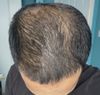
The user is experiencing hair thinning on the sides and back of the head while the top remains thick. A reply suggests it might be retrograde alopecia.
A user who underwent a hair transplant in their twenties and are now discussing the best treatments for long-term management of hair loss, such as finasteride and Minoxidil, as well as potential alternative treatment options like RU58841.
The user is experiencing hair thinning and loss at the temples, likely due to androgenetic alopecia. Suggested treatments include finasteride and minoxidil to slow hair loss and promote regrowth, with buzzing hair short as a styling option.
A 29-year-old male is using Minoxidil 5%, Finasteride 1mg, rosemary oil, and keto shampoo daily to combat male pattern baldness. He recently noticed baby hairs and stopped hairline recession, feeling optimistic about future progress.
A user shared their positive experience with a hair transplant of 2300 grafts performed by Dr. Ko in Korea, noting significant improvement in hair condition and recommending the surgeon. The user also mentioned using finasteride but not minoxidil.
User shared 4.5-month hair loss treatment results using Fin, Minoxidil, and microneedling. Others discussed postponing hair transplant and adjusting microneedling depth.
The conversation is about a hair loss treatment plan involving finasteride, minoxidil, microneedling, GHK-CU injections, Nizoral shampoo, and RU58841. The user is advised to start with a simpler regimen to minimize side effects and assess effectiveness before adding more treatments.
The user had a hair transplant 5 years ago and is currently using 1 mg finasteride and topical minoxidil but is not seeing an increase in hair volume. They are considering another transplant to improve hair volume.
A 24-year-old male started using finasteride and minoxidil for hair loss, noticing reduced hair fall but continued temple and frontal recession. He uses both oral and topical minoxidil, biotin, vitamin D, and coal tar shampoo, and experiences rare heart palpitations.
A successful hair transplant with 3100 grafts combined with topical finasteride, minoxidil, Viviscal, biotin, sulfate free shampoo and Nizoral. People in the conversation talk about how the results look perfect and discuss the number of grafts and cost involved.
The user is using a topical spray with finasteride and minoxidil, red light therapy, and ketoconazole shampoo for hair loss, and is considering waiting a year before getting a hair transplant. Other users suggest microneedling, using oral treatments, and investing in a laser helmet for better results.
The conversation is about analyzing receded temple closeups for signs of fibrosis, scarring, or androgenetic alopecia (AGA). Specific treatments like Minoxidil, finasteride, or RU58841 are not mentioned in the conversation.
A 22-year-old is experiencing hair loss, particularly fuzzy hair in the front, and is concerned about male pattern baldness. Treatments mentioned include Propecia (finasteride), minoxidil, PRP treatments, dermarolling, peppermint oil, and apple cider vinegar.
A user shared their experience with hair transplant scab removal, noting that most scabs came off easily without bleeding by using oil and shampoo. They sought advice on whether any hair was lost during the process, and others reassured them that no hair was lost and to trust the healing process.
The user experienced hair regrowth and improved hair density using oral finasteride and topical minoxidil, with microneedling as an additional treatment. They are considering a hair transplant for low-density areas but are uncertain due to existing follicles.
A 19-year-old noticed hair thinning and mild receding hairline, opting for a treatment regime excluding finasteride and minoxidil. The regime includes derma rolling, rosemary and coconut oil, a massage comb, a DHT-blocker shampoo, and vitamins B12 and Biotin.
A 51-year-old shared progress on hair regrowth using topical Minoxidil and Finasteride over four months, noting significant improvement and plans for future hair transplants. The user emphasized the benefits of modern treatments and societal changes in attitudes towards hair loss.
A 36-year-old man is considering starting oral finasteride and minoxidil, using ketoconazole shampoo, and possibly getting a 3000-graft FUE hair transplant. He previously had scalp micropigmentation but is now exploring medication due to fewer concerns about side effects.
An 18-year-old experiencing mild hair thinning is prescribed ketoconazole shampoo, clobetasol, and a solution with minoxidil, finasteride, and tretinoin. They are hesitant to start finasteride due to concerns about systemic absorption and its impact on facial hair development.
Young individuals with seemingly healthy hairlines are using treatments like finasteride, dutasteride, and minoxidil, possibly due to paranoia or proactive prevention of hair loss. Some believe social media influences this behavior, while others argue for waiting until actual hair loss begins before starting treatment.
The conversation discusses changes in scalp texture and appearance in areas of hair loss, with concerns about the suitability of these areas for hair transplants. Users mention issues like fibrosis, inflammation, and thinner skin, advising caution and consultation with clinics before proceeding with transplants.
A user shared their experience with two hair transplants in Istanbul, highlighting the importance of choosing clinics with a low doctor-to-patient ratio, ISHRS membership, thorough consultations, and reliable aftercare. They emphasized the significance of PRP shots post-procedure and advised careful selection of clinics, especially for crown procedures, due to limited donor area opportunities.
The user has been dealing with hair loss for six years using minoxidil, finasteride, and dutasteride without success. They are contemplating shaving their head due to continued hair loss and social anxiety.
The user decided to shave their head instead of pursuing a hair transplant or using drugs like minoxidil and finasteride. They are motivated to accept themselves as they are and feel more confident after taking this action.
A user shared progress pictures 7 months after a hair transplant of 4600 grafts at Medart Hair in Istanbul, costing $2850 USD. They are using finasteride, vitamins, Procapil spray, a derma roller, and plan to start minoxidil soon.
28-year-old struggles with aggressive hair loss since 18, used minoxidil with limited success. Tried hair systems but found them expensive, shaved head for job interviews but plans to return to hair systems.
The user has been using Finasteride for over four months to treat androgenetic alopecia but continues to experience hair loss and thinning. They recently started using Minoxidil and are considering switching to Dutasteride due to concerns about Finasteride's effectiveness.
The user had a hair transplant 10 months ago and sees some improvement but still has thin spots. They previously used finasteride pills and now use a topical solution of minoxidil, dutasteride, and tretinoin.
Anti-androgens like Finasteride, Dutasteride, Metformin, and Topical Spironolactone cause hairline recession and increased cholesterol levels. The hairline recovers after stopping the drugs.